
Liriope spicata
Blooming Time
Exposure



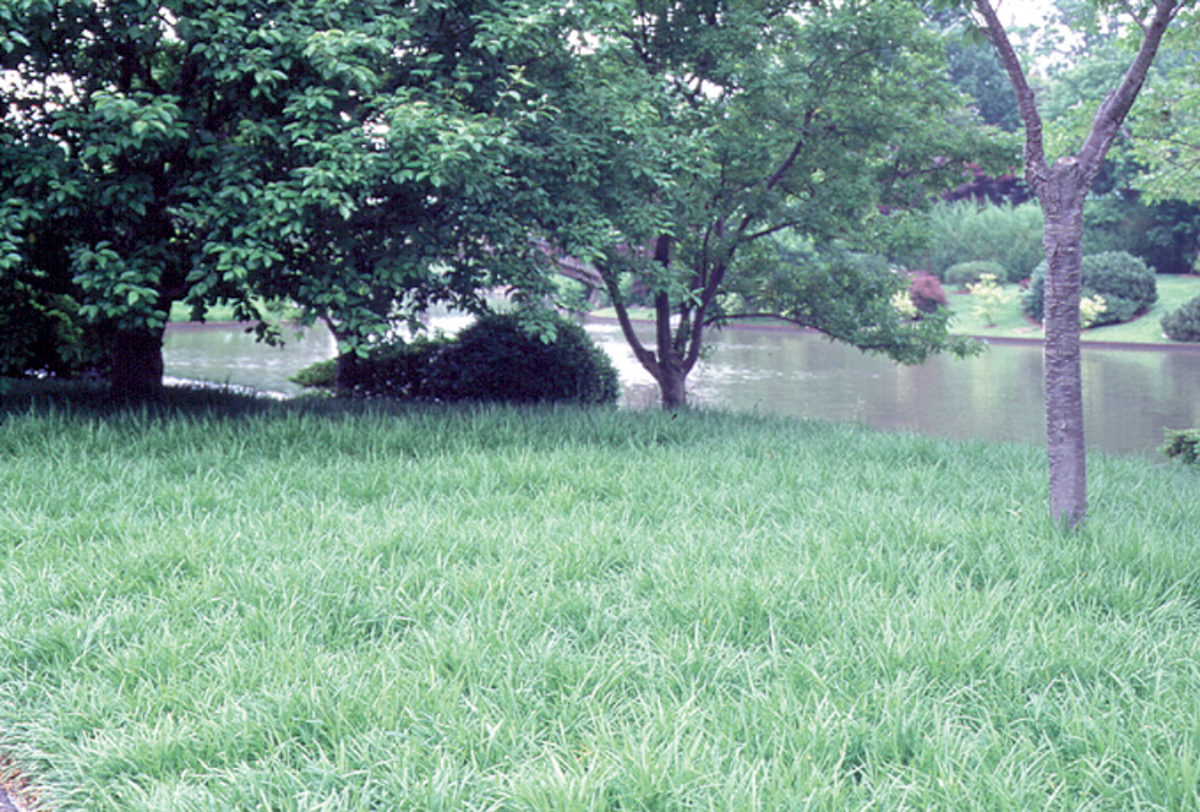
Lily-like and rhizomatous, this underutilized ground cover is worthy of far more attention. Indeed, with its attractive evergreen foliage, high degree of disease and insect resistance, and tenacious spreading habit, creeping lily-turf shares the same characteristics that have made pachysandra, English ivy, and purple wintercreeper so popular. In addition, it displays superior drought tolerance and is graced with attractive flowers of violet during fall and shiny black beadlike fruit later on. Outstanding for edging borders and walkways, and covering vast expanses as a low maintenance turf substitute.
Details
Hardiness Zone:
Blossom Color:
Violet to Purple
Growth Habit:
Slow Spreading
Max Height:
12"
Texture:
Recommended Spacing:
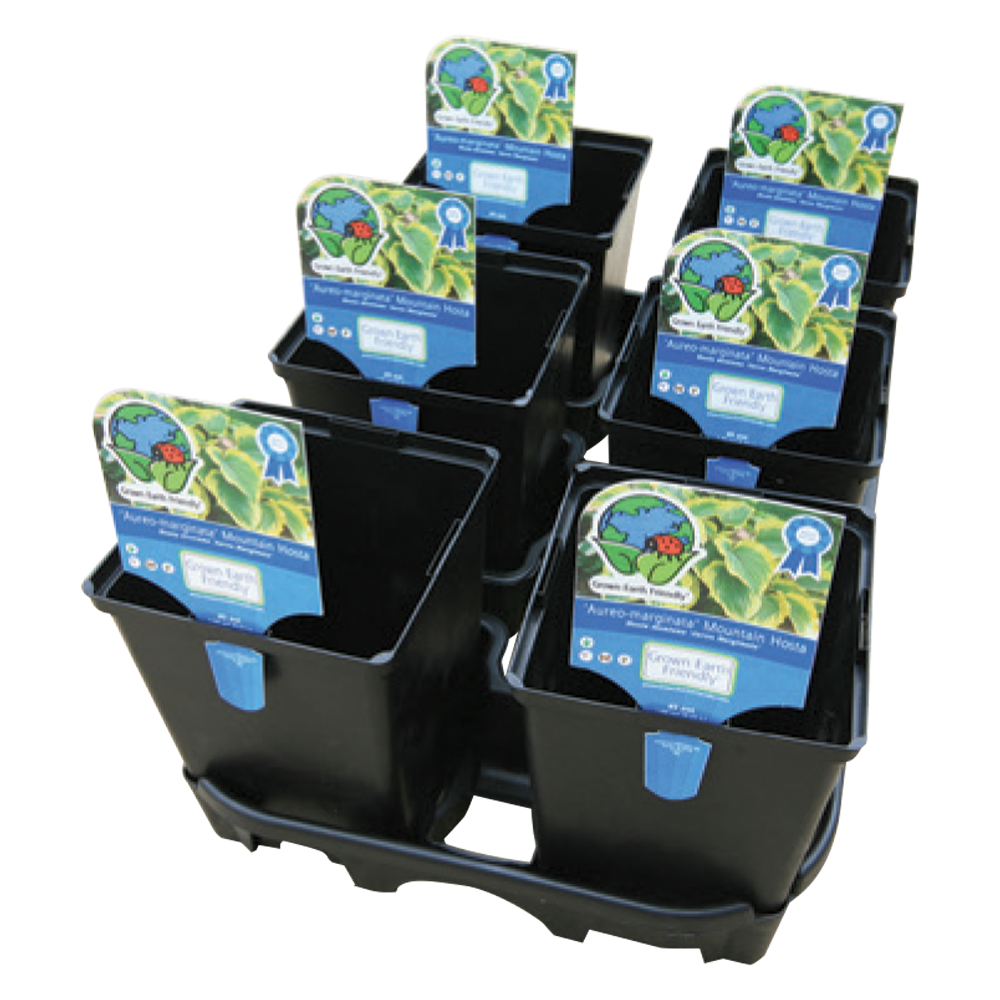
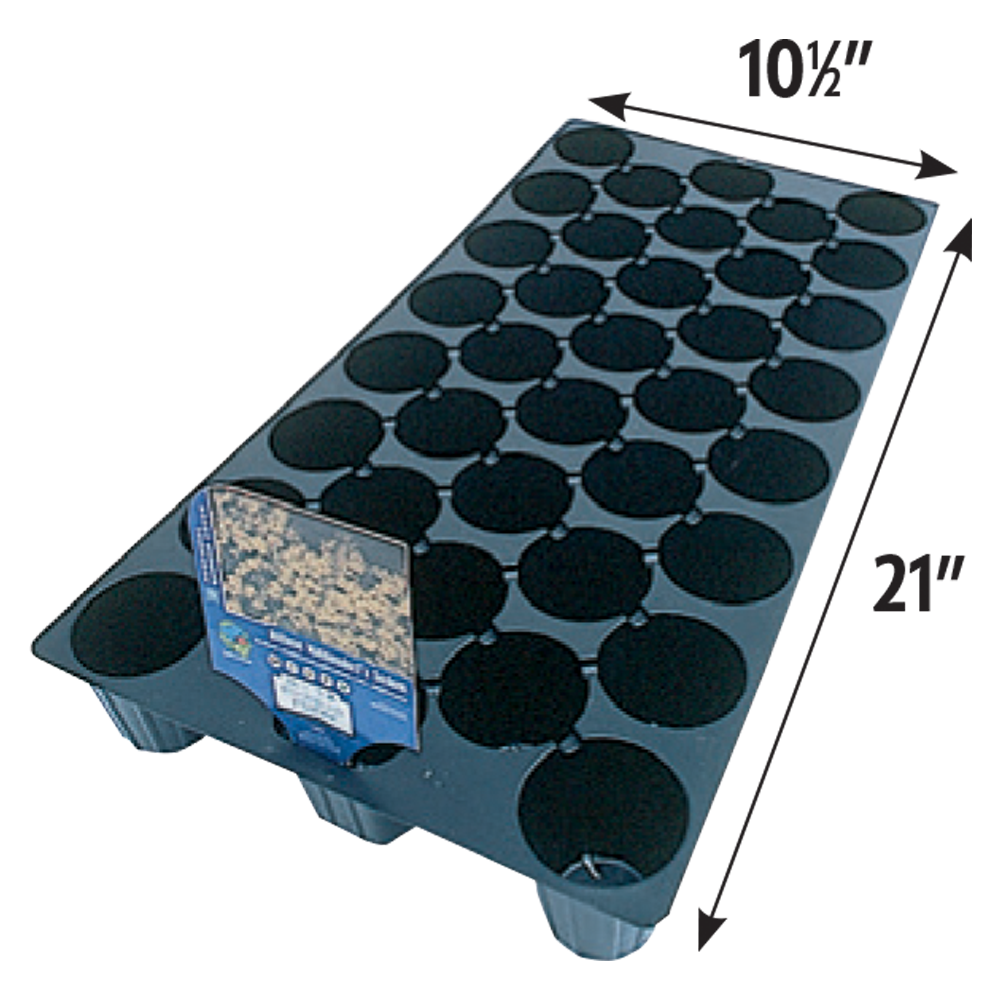
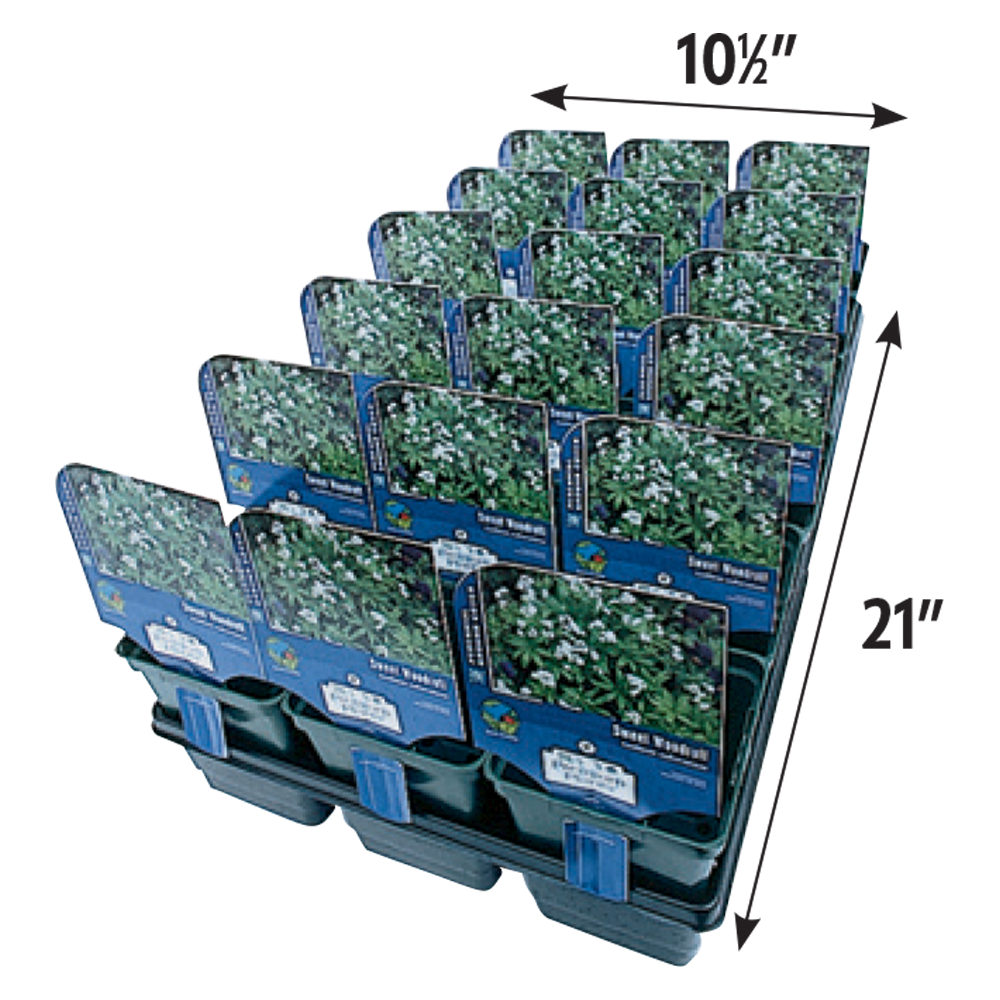
We sell this plant in these containers:
Special Characteristics








Features
Durable semievergreen foliage is attractive in sun or shade. Violet flowers arise late summer and fall.
Landscape Value
Versatile low maintenance, extremely drought resistant substitute for turf (lawn alternative). Excellent moderate to large scale spreading ground cover, tolerates foot traffic. Mow each April.
Care
Watering:
Creeping Lily-turf is very drought tolerant and typically only needs watering during the hottest days of summer.
Fertilizing:
Creeping Lily-turf benefits from regular feeding and likely will grow best with: a spring (May) application of slow release fertilizer with a 3-1-2 ratio (such as a 15-5-10) at a rate of about 10 pounds per 1000 square feet, and a summer (July) application of slow release fertilizer with a 3-1-2 ratio (such as a 15-5-10) at a rate of about 10 pound per 1000 square feet, and and an early fall (September) application of a 2-1-2 ratio (such as a 10-5-10) at a rate of 15 pounds per 1000 square feet to encourage root development and cold hardiness.
Pruning:
Creeping Lily-turf should be enjoyed all winter long, then, during early April before it begins to grow again, it should be pruned or mowed back to ground level.
Companion Plants
Companion Plants
No companion plants found for this product.