
Ammophila breviligulata
Blooming Time
Exposure

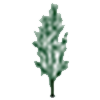
American beach grass is common to dune lands along the Atlantic coast as well as the shores of Lake Michigan. It produces stiffly upright clusters of medium to dark green leaves while its subsurface rhizomes slowly spread to develop dense, wide colonies. Familiar to beachgoers in the Great Lakes region are its tall spike-like panicles of mid to late summer which are outstanding as dried flowers. American beach grass prefers sandy soils, partly due to its susceptibility to nematodes in soils with too much organic matter. Its roots grow to tremendous depths, down to 20-feet, while its stems withstand burial from constant shifting of sand.
Details
Hardiness Zone:
Blossom Color:
Tan to Brown
Growth Habit:
Slow Spreading
Max Height:
4'
Texture:
Recommended Spacing:
We sell this plant in these containers:
Special Characteristics









Features
Roots grow to tremendous depths, down to 20-feet, while its stems withstand burial from constant shifting of sand.
Landscape Value
Prefers sandy soils, its subsurface rhizomes slowly spread to develop dense, wide colonies. Stiffly upright clusters of medium to dark green leaves with tall spike-like panicles which are outstanding as dried flowers.
Care
Watering:
American Beach Grass is very drought tolerant and typically only needs watering during the hottest days of summer.
Fertilizing:
American Beach Grass needs little fertilizer, but benefits from a single springtime or fall topdressing (about 1 inch deep) of organic compost or well rotted leaves. Alternatively, a springtime application of a slow release fertilizer with a 3-1-2 ratio (such as a 15-5-10) can be applied at a rate of about 10 pounds per 1000 square feet.
Pruning:
American Beach Grass is a deciduous plant (nonevergreen) and does not require pruning. It is perfectly acceptable to allow the dropped leaves to decompose and nourish the soil.