
Heuchera Forever® Red PP29,644
Blooming Time
Exposure

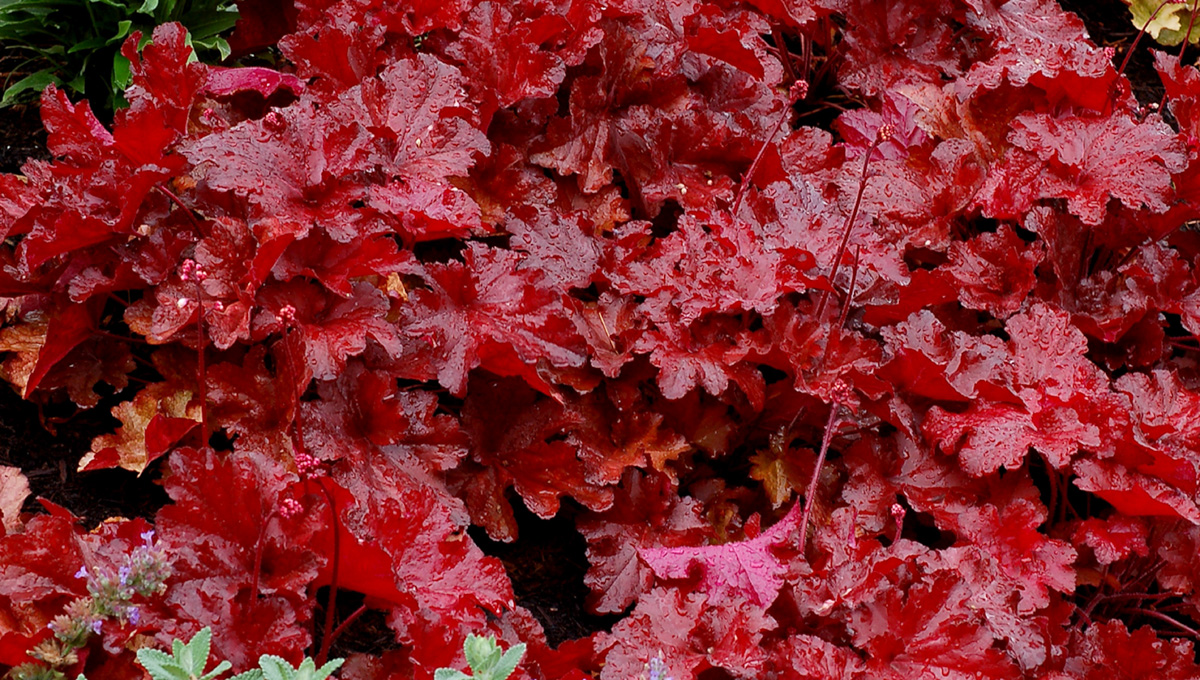
Photo courtesy of Terra Nova Nursery Forever® Red coral bells was an instant favorite in our trial garden with stunning and persistent scarlet leaf color. It is composed of mounds of slightly ruffled leaves, phenomenally red all season long and providing the most vibrant shade of red during spring and fall. In midsummer, clusters of white bell shaped flowers complement the red foliage. Vigorous and compact, Forever® Red is perfect for adding a touch of color to the border edge.
Details
Hardiness Zone:
Blossom Color:
White to Cream
Growth Habit:
Clump Forming
Max Height:
12"
Texture:
Recommended Spacing:
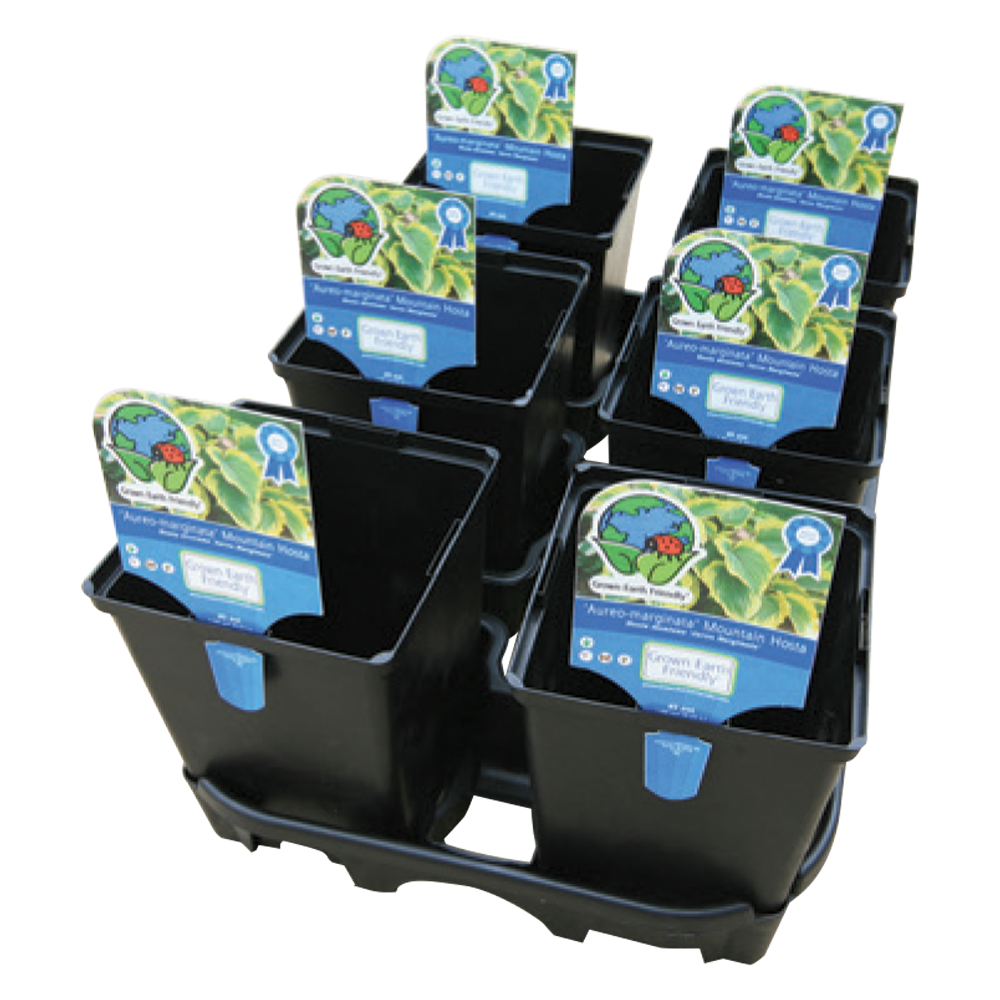
We sell this plant in these containers:
Special Characteristics











Features
Slightly ruffled leaves, phenomenally red all season long and providing the most vibrant shade of red during spring and fall. In midsummer, clusters of white bell shaped flowers complement the red foliage.
Landscape Value
Forever® Red is perfect for adding a touch of color to the border edge.
Care
Watering:
Forever® Red Coral Bells is moderately drought tolerant but benefits from occasional watering, to maintain soil in a moist but not wet condition, during the summer months.
Fertilizing:
Forever® Red Coral Bells is a moderate feeder, benefiting from a couple of annual applications of slow release fertilizer. A spring application of a 3-1-2 ratio (such as a 15-5-10) can be applied at a rate of about 10 pounds per 1000 square feet, and during early fall, an application of a 2-1-2 ratio (such as a 10-5-10) can be applied to encourage root development and cold hardiness.
Pruning:
Forever® Red Coral Bells is a deciduous plant (nonevergreen) and does not require pruning. It is perfectly acceptable to allow the dropped leaves to decompose and nourish the soil.