
Parthenocissus quinqueifolia
Blooming Time
Exposure


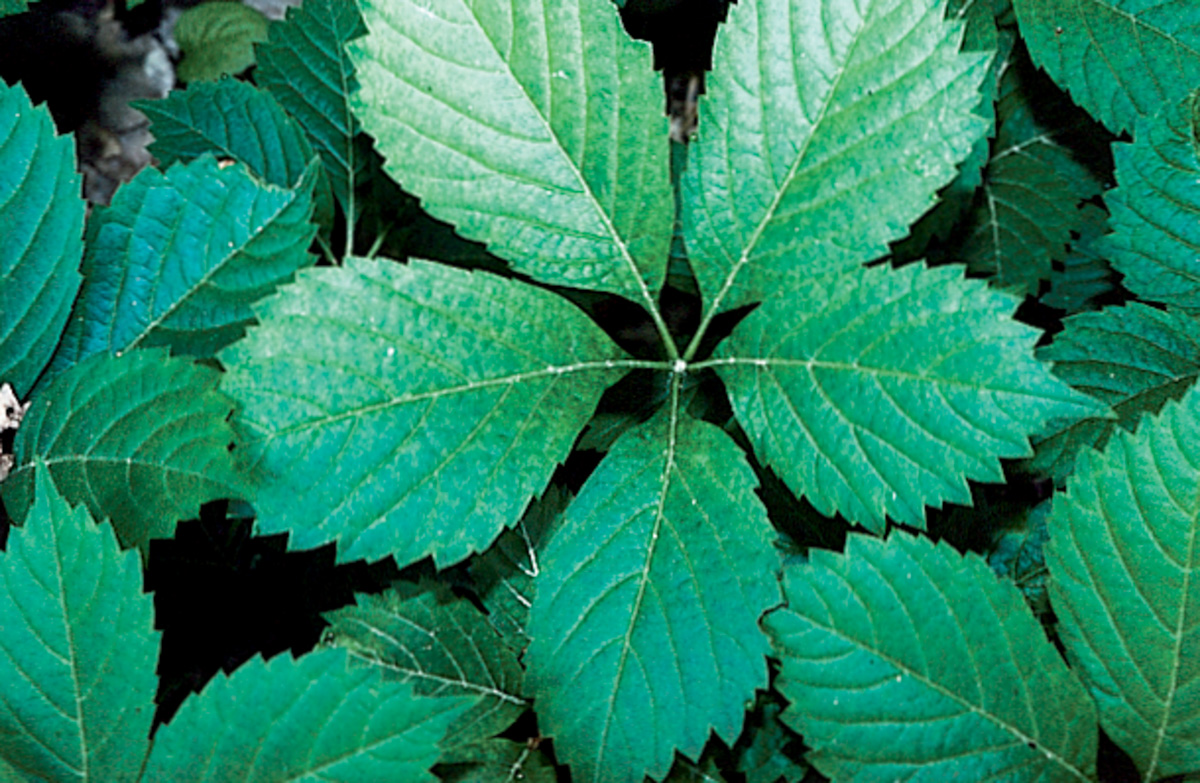
Clinging by tendrils, this lovely native will climb coarse barked trees (doing them no harm) or cover large slopes as a ground cover. Chief among its attributes is its excellent red early fall color display. A summer bloomer, its flowers are tiny yellow and ornamentally insignificant, However, the deep blue grape-like fruit they bear during autumn is attractive and an important food source for numerous songbirds.
Details
Hardiness Zone:
Blossom Color:
Green, of Various Intensity
Growth Habit:
Adhesive Discs
Max Height:
50'
Texture:
Recommended Spacing:
We sell this plant in these containers:
Special Characteristics






Features
Large, rich green, coarse textured foliage turns bright red during early fall. Durable native species.
Landscape Value
Attaches by holdfasts to coarse bark, brick, unpainted block surface. Also effective as large scale ground cover.
Care
Watering:
Virginia Creeper is moderately drought tolerant but benefits from occasional watering, to maintain soil in a moist but not wet condition, during the summer months.
Fertilizing:
Virginia Creeper is a moderate feeder, benefiting from a couple of annual applications of slow release fertilizer. A spring application of a 3-1-2 ratio (such as a 15-5-10) can be applied at a rate of about 10 pounds per 1000 square feet, and during early fall, an application of a 2-1-2 ratio (such as a 10-5-10) can be applied to encourage root development and cold hardiness.
Pruning:
Virginia Creeper should be pruned while dormant during late fall or winter.
Companion Plants
Companion Plants
No companion plants found for this product.