
Vinca minor ‘Bowlesii’
Blooming Time
Exposure




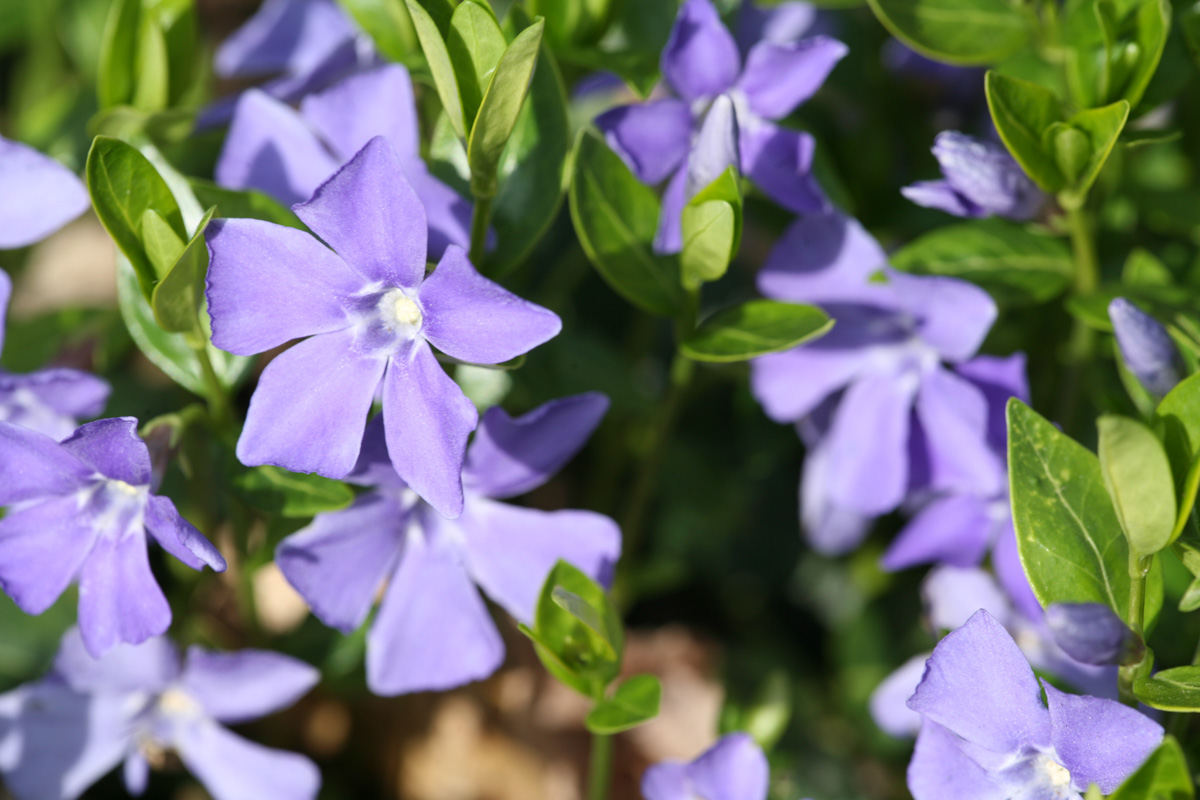
In comparison to the species, `Bowles’ myrtle is a little bit lower and slower growing, somewhat more apt to stay in a clump, possibly a bit deeper green, and perhaps slightly smaller and a bit more glossy in leaf. The primary difference, however, is in its flowering traits. `Bowles’ myrtle, also spring blooming, blooms more heavily with larger and darker violet blossoms, and like the species, blooms again during fall.
Details
Hardiness Zone:
Blossom Color:
Violet to Purple
Growth Habit:
Trailing
Max Height:
6"
Texture:
Recommended Spacing:
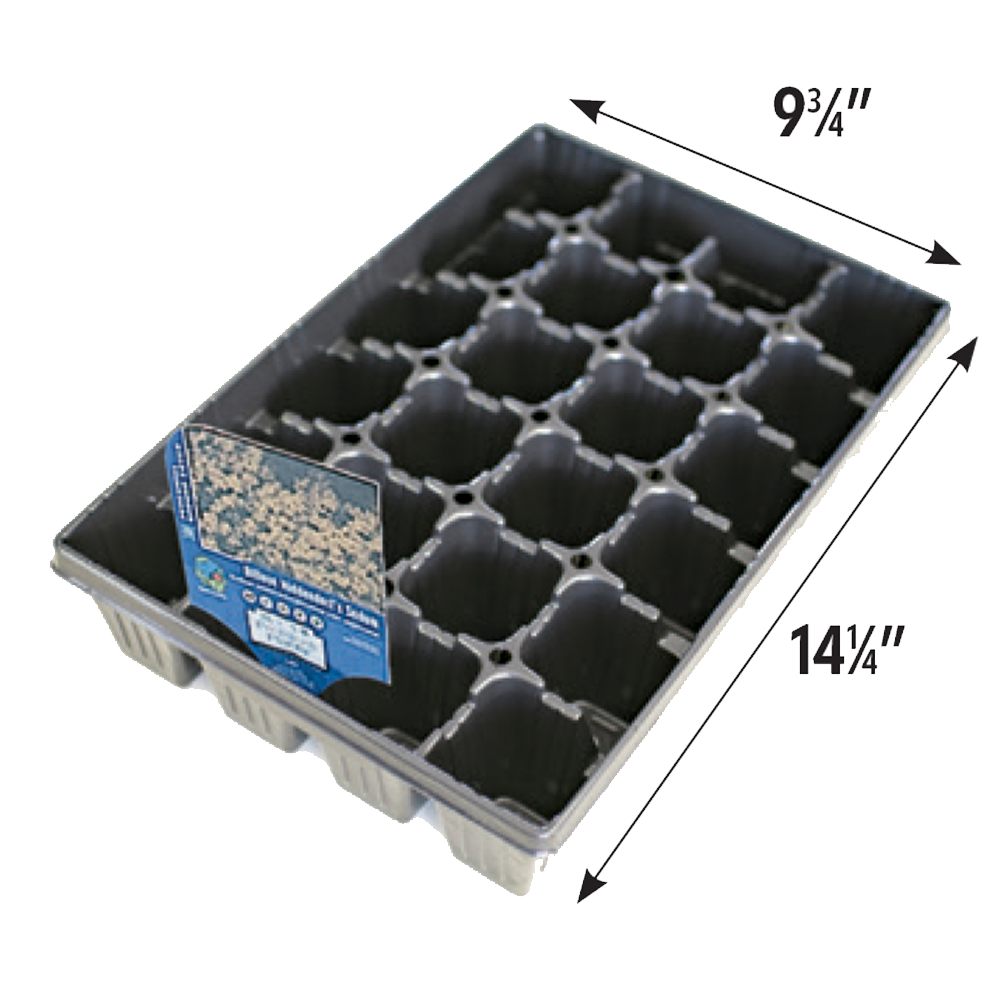
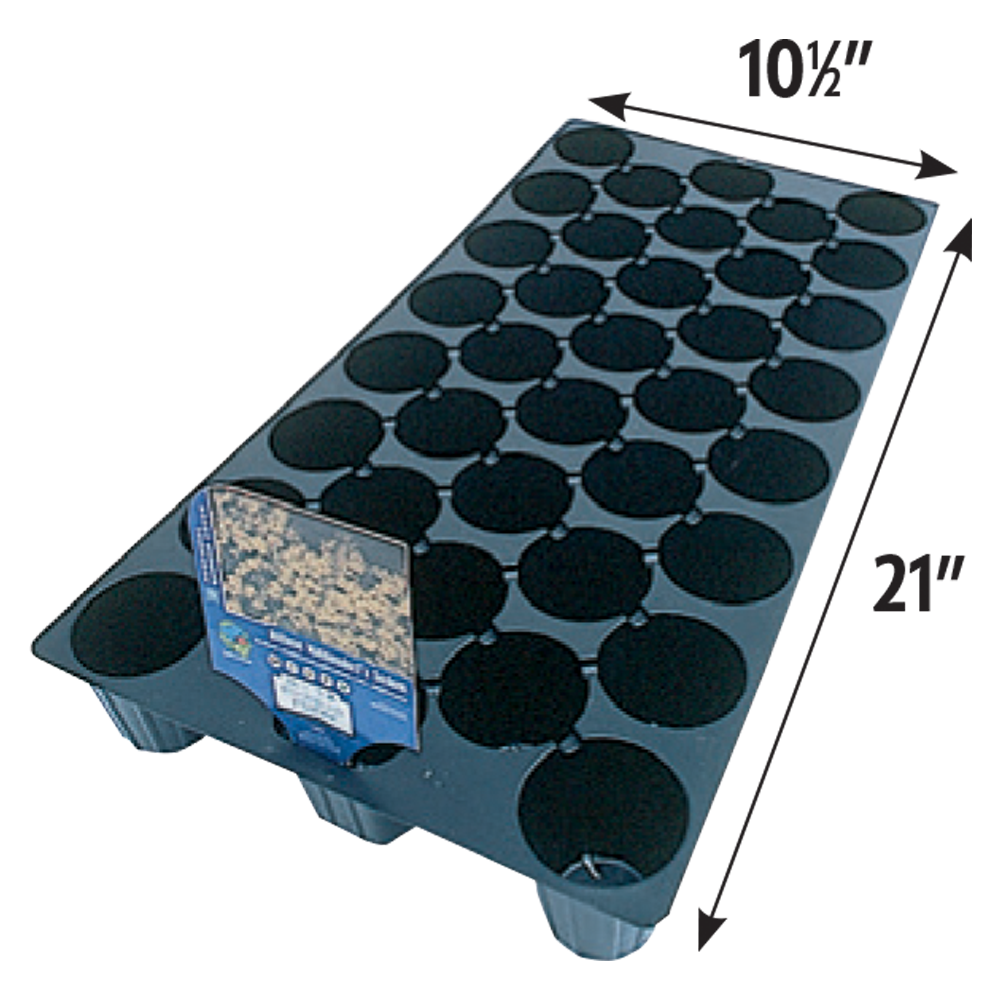
We sell this plant in these containers:
Special Characteristics









Features
Extra large and profusely borne deep violet colored flowers during spring and again in fall. Deep shiny-green evergreen foliage, slow spreading habit.
Landscape Value
Small to large scale ground cover, superb for reducing size of turf areas/reducing maintenance.
Care
Watering:
`Bowles' Myrtle is moderately drought tolerant but benefits from occasional watering, to maintain soil in a moist but not wet condition, during the summer months.
Fertilizing:
`Bowles' Myrtle is a moderate feeder, benefiting from a couple of annual applications of slow release fertilizer. A spring application of a 3-1-2 ratio (such as a 15-5-10) can be applied at a rate of about 10 pounds per 1000 square feet, and during early fall, an application of a 2-1-2 ratio (such as a 10-5-10) can be applied to encourage root development and cold hardiness.
Pruning:
`Bowles' Myrtle is evergreen and does not require pruning. It is normally only pruned for the purpose of keeping it within bounds.
Companion Plants
Companion Plants
No companion plants found for this product.