
Hydrangea anomala ssp. petiolaris
Blooming Time
Exposure


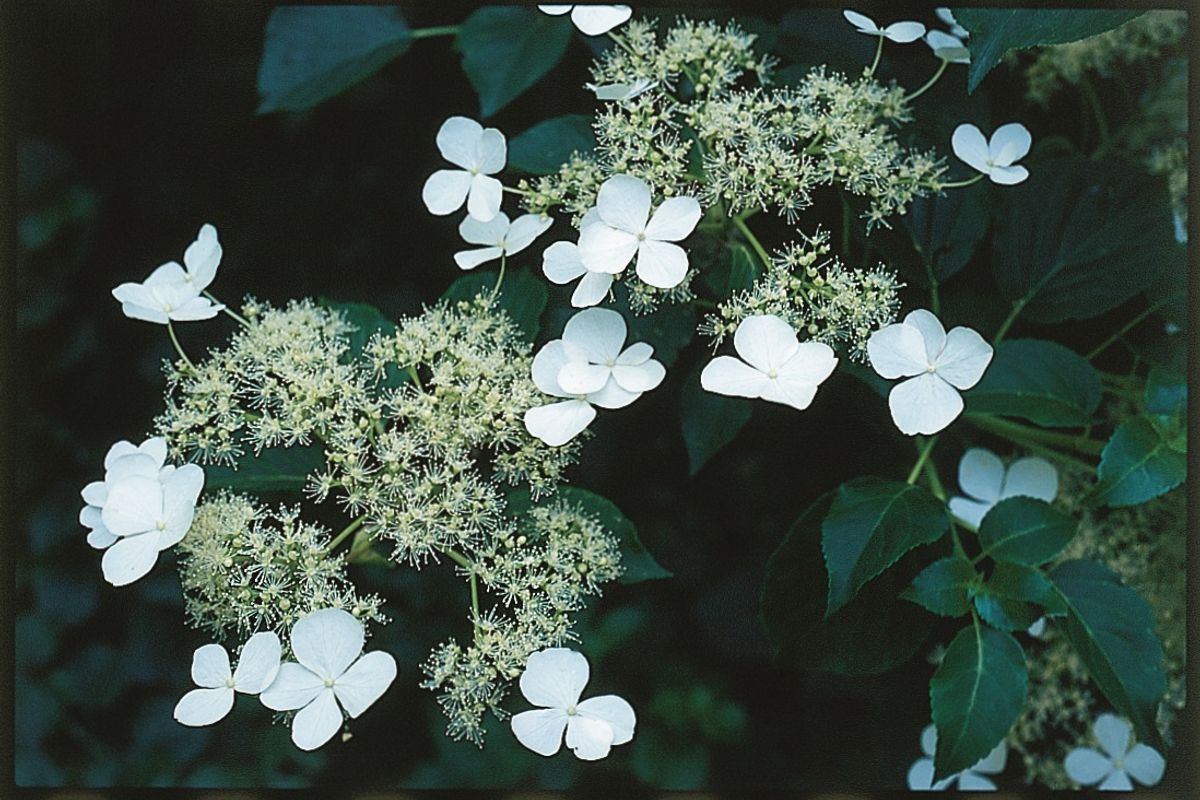
Although slow to start, after a season or two to become established, climbing hydramgea gains considerable steam and becomes rather assertive, often putting on a foot or more of growth in a single season. With root-like holdfasts and semi-twining habit, it will cling to either trees, bricks, or fencing. Climbing hydrangea serves well for screening but can also be used as an accent or specimen plant, or when unsupported, as a ground cover. Its decidous rounded foliage is lush dark green, the perfect backdrop to its gigantic 6 to 10 inch wide white flower clusters which burst into bloom during the months of June and July.
Details
Hardiness Zone:
Blossom Color:
White to Cream
Growth Habit:
Aerial Rootlets
Max Height:
50'
Texture:
Recommended Spacing:
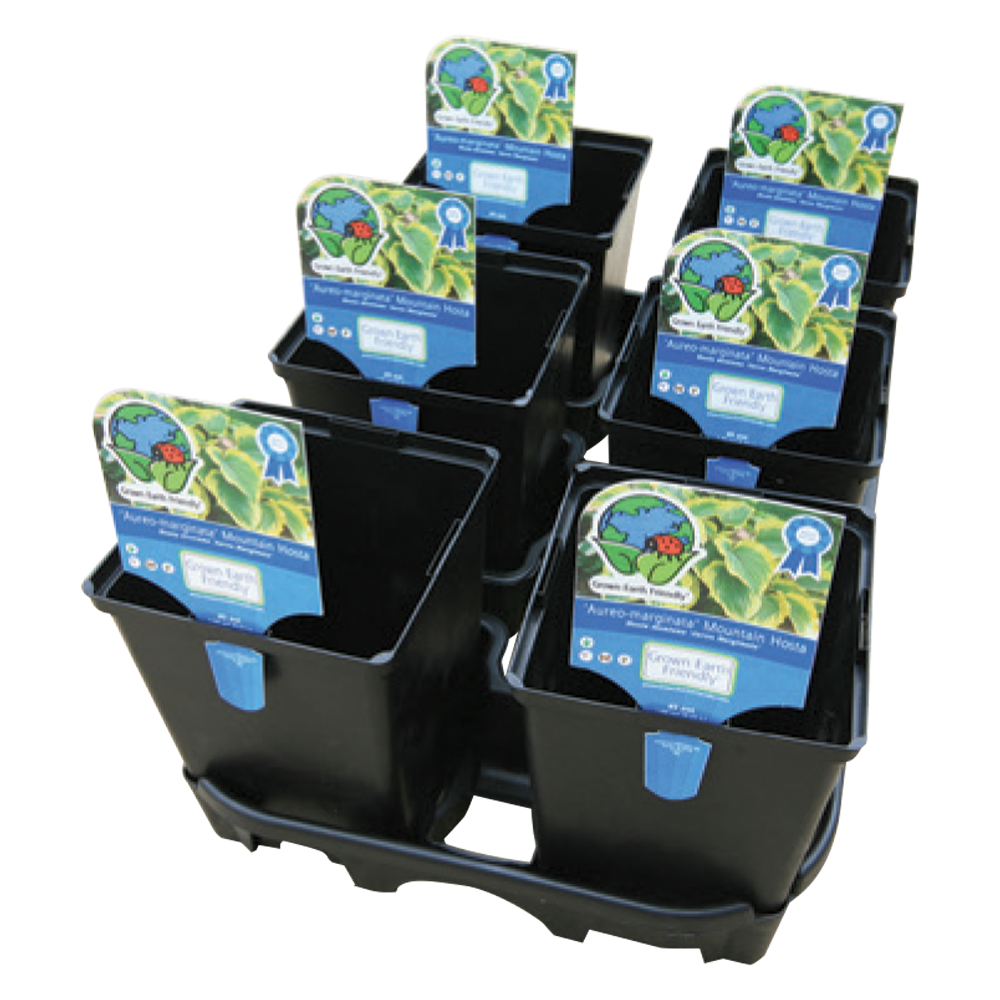
We sell this plant in these containers:
Special Characteristics







Features
Deep green foliage and large clusters of showy white fragrant flowers during summer. Showy peeling bark.
Landscape Value
Clings to coarse bark or brick by rootlike holdfasts. Can be trained to weave in and out of lattice.
Care
Watering:
Climbing Hydrangea is moderately drought tolerant but benefits from occasional watering, to maintain soil in a moist but not wet condition, during the summer months.
Fertilizing:
Climbing Hydrangea is a moderate feeder, benefiting from a couple of annual applications of slow release fertilizer. A spring application of a 3-1-2 ratio (such as a 15-5-10) can be applied at a rate of about 10 pounds per 1000 square feet, and during early fall, an application of a 2-1-2 ratio (such as a 10-5-10) can be applied to encourage root development and cold hardiness.
Pruning:
Climbing Hydrangea sets its flower buds in summer, and any pruning should be conducted in April, immediately after winter.