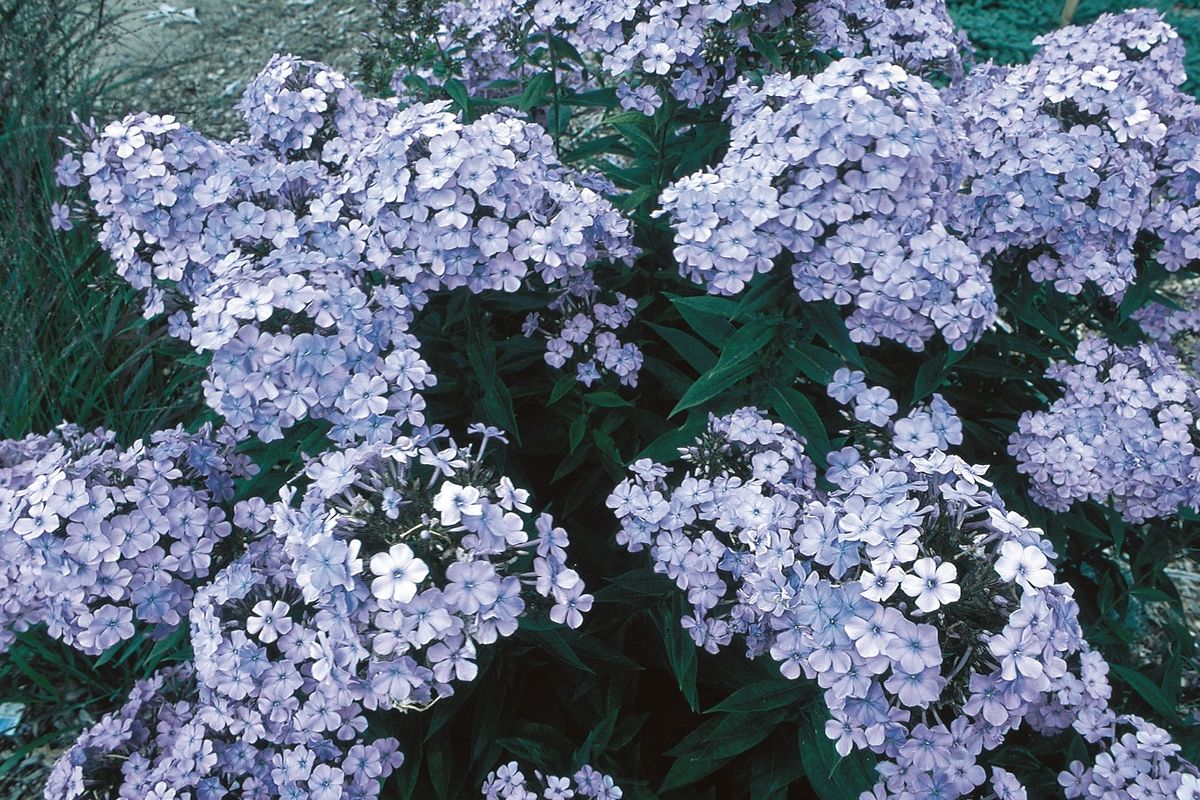
Phlox paniculata ‘Blue Paradise’

Blooming Time

July
August
September
October

Exposure

True
Full Sun
True
Light Shade

`Blue Paradise’ is a fine, relatively mildew resistant selection with huge panicles of lovely lavender blue, white centered, finely fragrant hummingbird and butterfly attracting flowers from mid summer to fall. Carried atop stout stems of pleasantly green foliage, the flowers of `Blue Paradise’ are an easy combination with other selections of phlox, but go well as a backdrop to numerous companions.

Details

Hardiness Zone:

5

Blossom Color:

Violet to Purple

Growth Habit:

Clump Forming

Max Height:

3½'

Texture:

Medium Texture

Recommended Spacing:

14" to 1½'

We sell this plant in these containers:
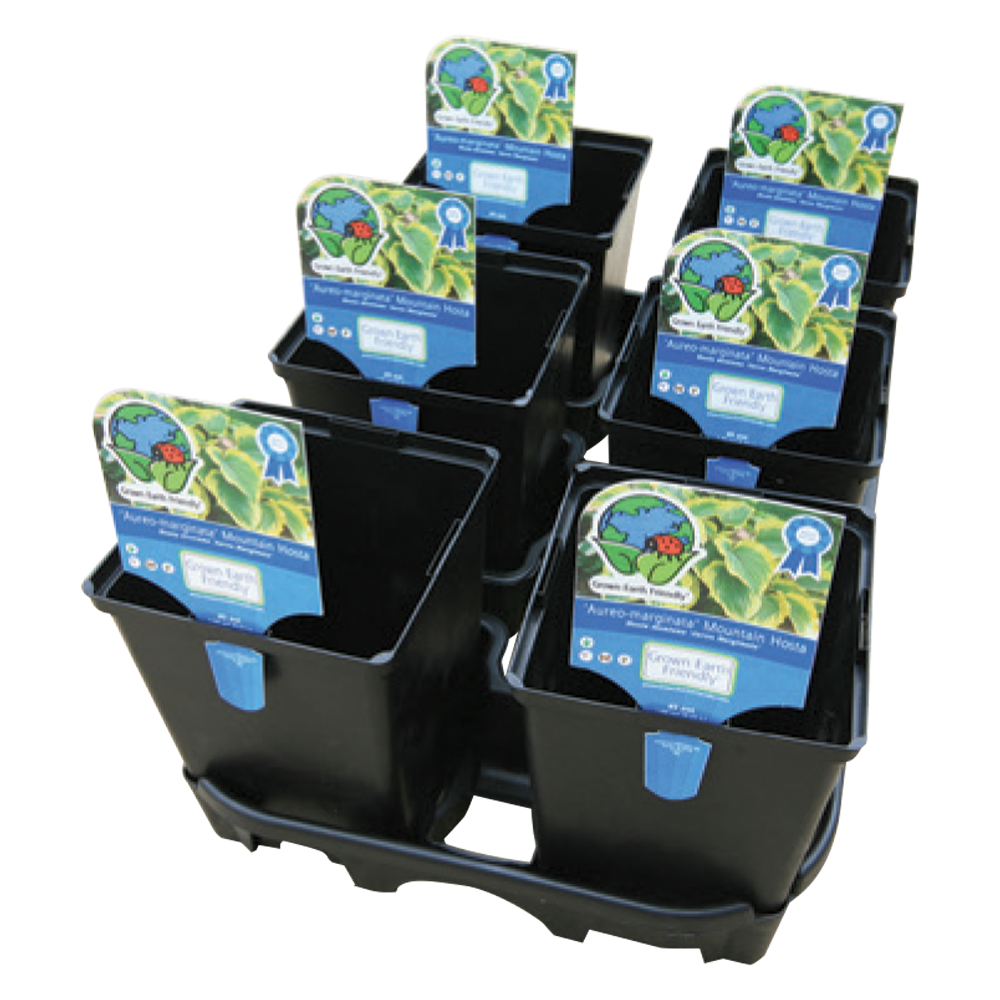
#1 Pot
#1 Pot

Special Characteristics

True
Cuttings
True
Seasonal Effect
True
Drought Tolerant
True
Hummingbird
True
Butterflies
True
Bees
True
Large Area
True
Sandy Soil Tolerant
True
Fragrant Flowers
True
Native Cultivar

Features

Stout stems of pleasantly green foliage carrying huge panicles of lovely lavender blue, white colored, finely fragrant hummingbird and butterfly attracting flowers.

Landscape Value

Great perennial companion especially as a backdrop. Can also be used as a small scale ground cover.

Care

Watering:

'Blue Paradise' Garden Phlox requires a fair amount of supplemental watering and often requires watering on a regular basis during the growing season.

Fertilizing:

'Blue Paradise' Garden Phlox benefits from regular feeding and likely will grow best with: a spring (May) application of slow release fertilizer with a 3-1-2 ratio (such as a 15-5-10) at a rate of about 10 pounds per 1000 square feet, and a summer (July) application of slow release fertilizer with a 3-1-2 ratio (such as a 15-5-10) at a rate of about 10 pound per 1000 square feet, and and an early fall (September) application of a 2-1-2 ratio (such as a 10-5-10) at a rate of 15 pounds per 1000 square feet to encourage root development and cold hardiness.

Pruning:

'Blue Paradise' Garden Phlox should be enjoyed all winter long, then, during early April before it begins to grow again, it should be pruned or mowed back to ground level.

Companion Plants

Pennisetum alopecuroides ‘Hameln’View
Fountain Grass, `Hameln' Dwarf
Miscanthus sinensis ‘Morning Light’View
Japanese Silver Grass, `Morning Light'
Sedum ‘Carl’View
Sedum, `Carl'
Echinacea purpurea ‘Butterfly Kisses’ PP24,458View
Coneflower, `Butterfly Kisses'
Echinacea Dark Shadows™ ‘Wicked’ PPAFView
Coneflower, Dark Shadows™ `Wicked'
Echinacea Cara Mia™ Yellow PP31,142View
Coneflower, Cara Mia™ Yellow
Echinacea Kismet® Raspberry PP28,768View
Coneflower, Kismet® Raspberry
Echinacea Kismet® White PP30,856View
Coneflower, Kismet® White
Echinacea ‘Sweet Sandia’ PPAFView
Coneflower, `Sweet Sandia'
Echinacea Sombrero® Granada Gold PP30,115View
Coneflower, Sombrero® Granada Gold
Echinacea Sombrero® Adobe Orange PP26,639View
Coneflower, Sombrero® Adobe Orange
Sedum ‘Autumn Fire’ PPAFView
Sedum, `Autumn Fire'
Sedum ‘Autumn Joy’View
Sedum, `Autumn Joy'
Sedum ‘Powderpuff’ PP32,714View
Sedum, `Powderpuff'
Sedum ‘Thunderhead’ PP24,693View
Sedum, `Thunderhead'
Sedum Cakewalk® Neon Lights® (‘Nonsthgi’)View
Sedum, Neon Lights®
Sedum Cakewalk® Strawberry Muffin® (‘Nonniff’)View
Sedum, Strawberry Muffin®
Miscanthus sinensis ‘Gracillimus’View
Japanese Silver Grass, Narrow Leaved
Miscanthus sinensis ‘Graziella’View
Japanese Silver Grass, `Graziella' [Grace]
Miscanthus sinensis ‘Adagio’View
Japanese Silver Grass, `Adagio'
Pennisetum alopecuroides ‘Red Head’View
Fountain Grass, `Red Head'
Pennisetum alopecuroides ‘Lumen Gold’ PP27,435View
Fountain Grass, `Lumen Gold'
Pennisetum alopecuroides ‘Ginger Love’ PP26,442View
Fountain Grass, `Ginger Love'
Pennisetum alopecuroides Fuzzy Wuzzy® PPAF (‘Nonyzz’)View
Fountain Grass, Fuzzy Wuzzy®
Sedum Strawberry Fluff™ (`Nonfful’)View
Sedum, Strawberry Fluff™
Sedum Sunsparkler® Plum Dazzled PP30,348View
Sedum, Sunsparkler® Plum Dazzled
Sedum spectabile Proud Mary™ (‘Nonyram’)View
Sedum, Proud Mary™
Sedum spectabile ‘Neon’View
Sedum, `Neon'