
Stylophorum diphyllum
Blooming Time
Exposure


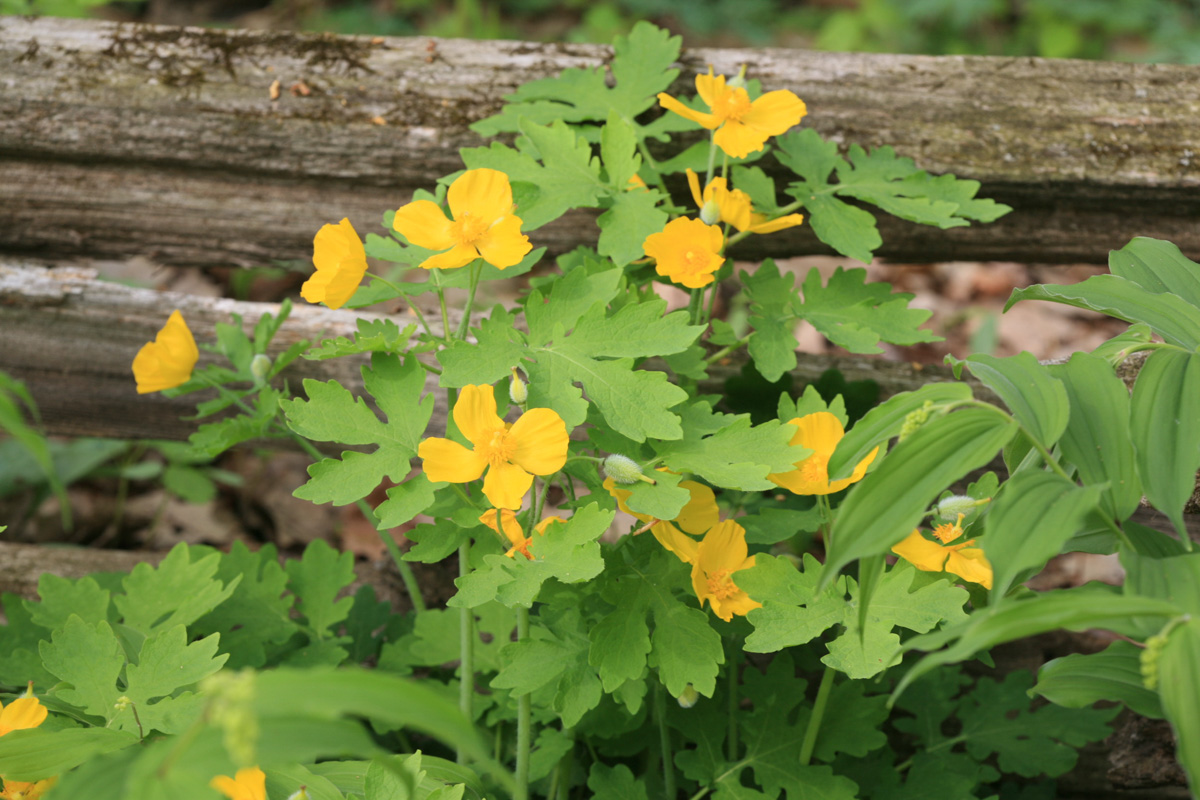
Filling the uncommon niche of being long and showy blooming – in the shade, Celandine poppy is an attractive leaved, impressive spring flowering native ground cover with seimsucculent vibrant green foliage and large yellow poppy-like flowers. This is a great plant for medium and large scale use on sloping and level terrain.
Details
Hardiness Zone:
Blossom Color:
Yellow to Chartreuse
Growth Habit:
Slow Spreading
Max Height:
1½'
Texture:
Recommended Spacing:
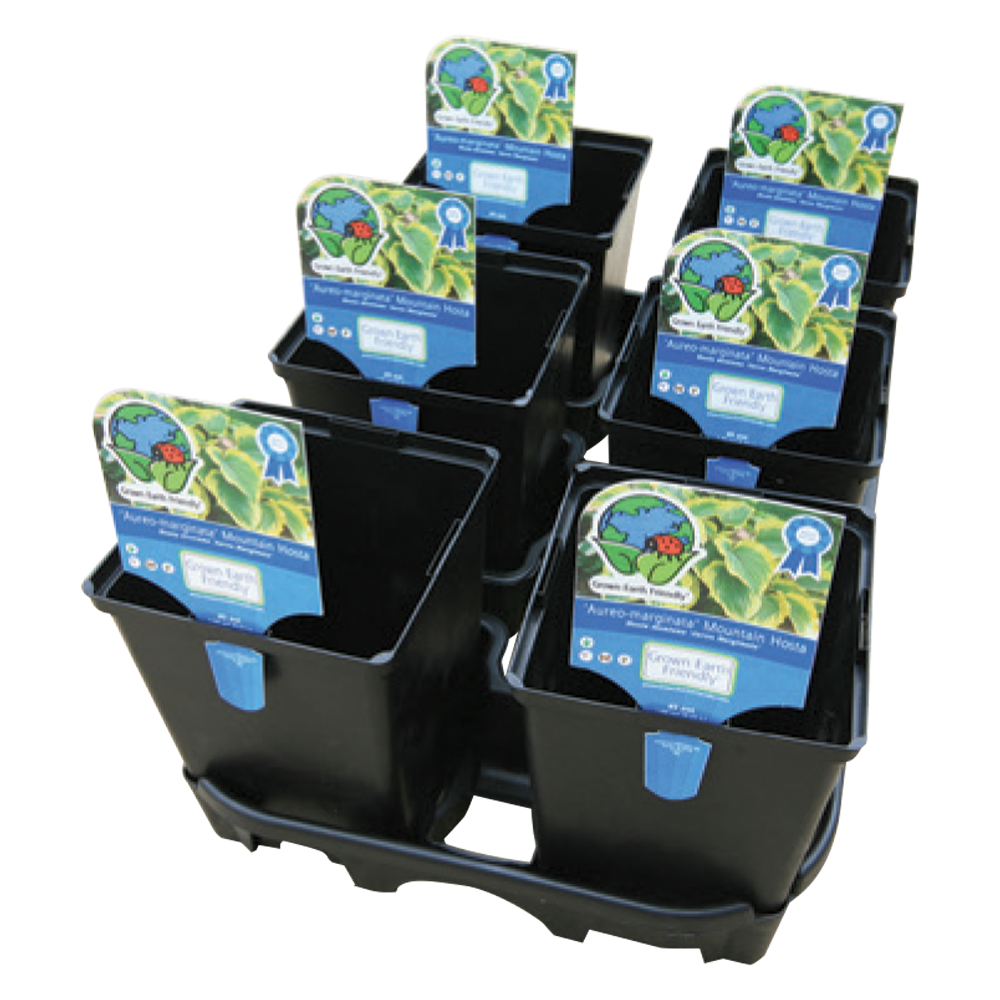
We sell this plant in these containers:
Special Characteristics







Features
Lush semisucculent vibrant green foliage and loads of large yellow poppy-like flowers.
Landscape Value
Moderate to large scale ground cover. Lends a natural feel; native species, considered endangered in many locals but very easy to grow and may seed around a bit.
Care
Watering:
Celandine Poppy is moderately drought tolerant but benefits from occasional watering, to maintain soil in a moist but not wet condition, during the summer months.
Fertilizing:
Celandine Poppy is a moderate feeder, benefiting from a couple of annual applications of slow release fertilizer. A spring application of a 3-1-2 ratio (such as a 15-5-10) can be applied at a rate of about 10 pounds per 1000 square feet, and during early fall, an application of a 2-1-2 ratio (such as a 10-5-10) can be applied to encourage root development and cold hardiness.
Pruning:
Celandine Poppy is a deciduous plant (nonevergreen) and does not require pruning. It is perfectly acceptable to allow the dropped leaves to decompose and nourish the soil.