
Carex pensylvanica
Blooming Time
Exposure



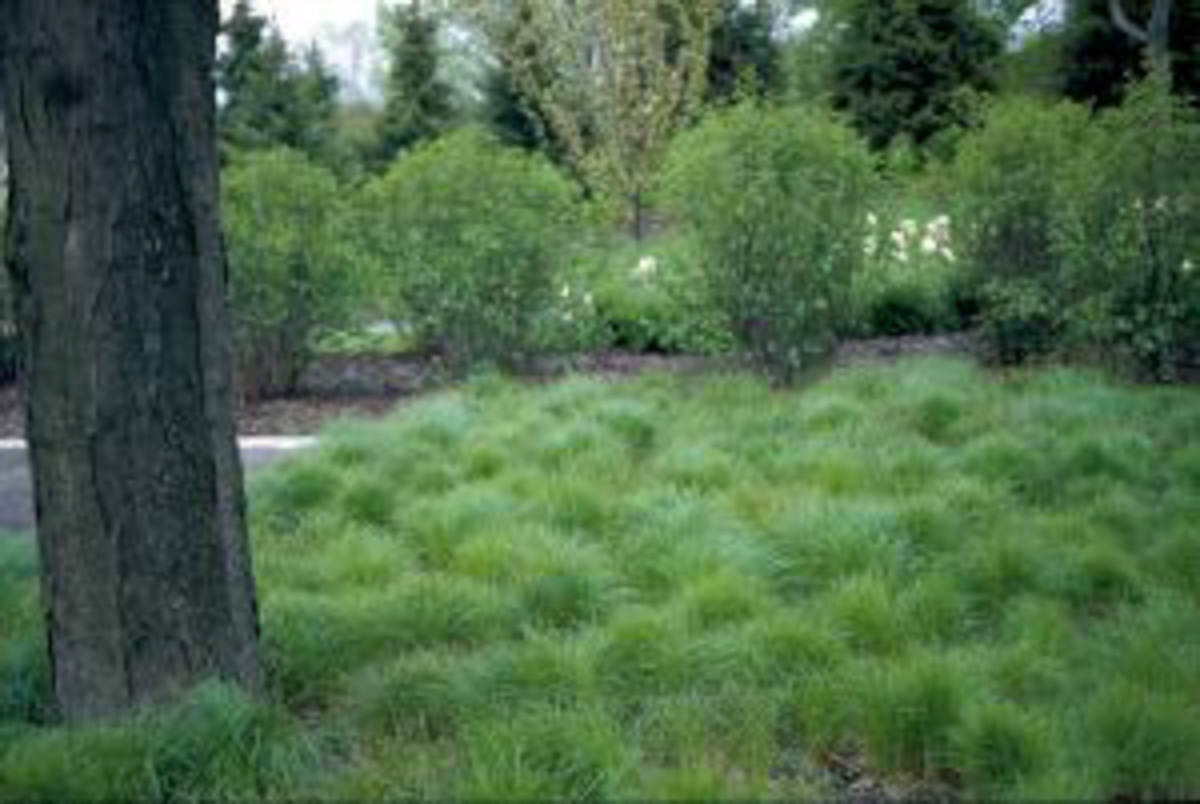
Pennsylvania sedge is a versatile, colony-forming sedge for use in a broad range of applications. It makes a fabulous foot friendly ground cover, edging plant or companion, and is tough enough to thrive in parking lot islands. Blooming during spring, Pennsylvania sedge bears a multitude of upright spiky reddish flowers, more curious than ornamental. The main feature, however, is its lovely vibrant green hairlike foliage. Reaching 8 to 16-inches long, the leaves are fine textured and arch over gracefully. Pennsylvania sedge can be walked upon and even mowed, and tolerates considerable drought. A great turf substitute, it can also be interplanted with companions.
Details
Hardiness Zone:
Blossom Color:
Red
Growth Habit:
Clump Forming
Max Height:
10"
Texture:
Recommended Spacing:
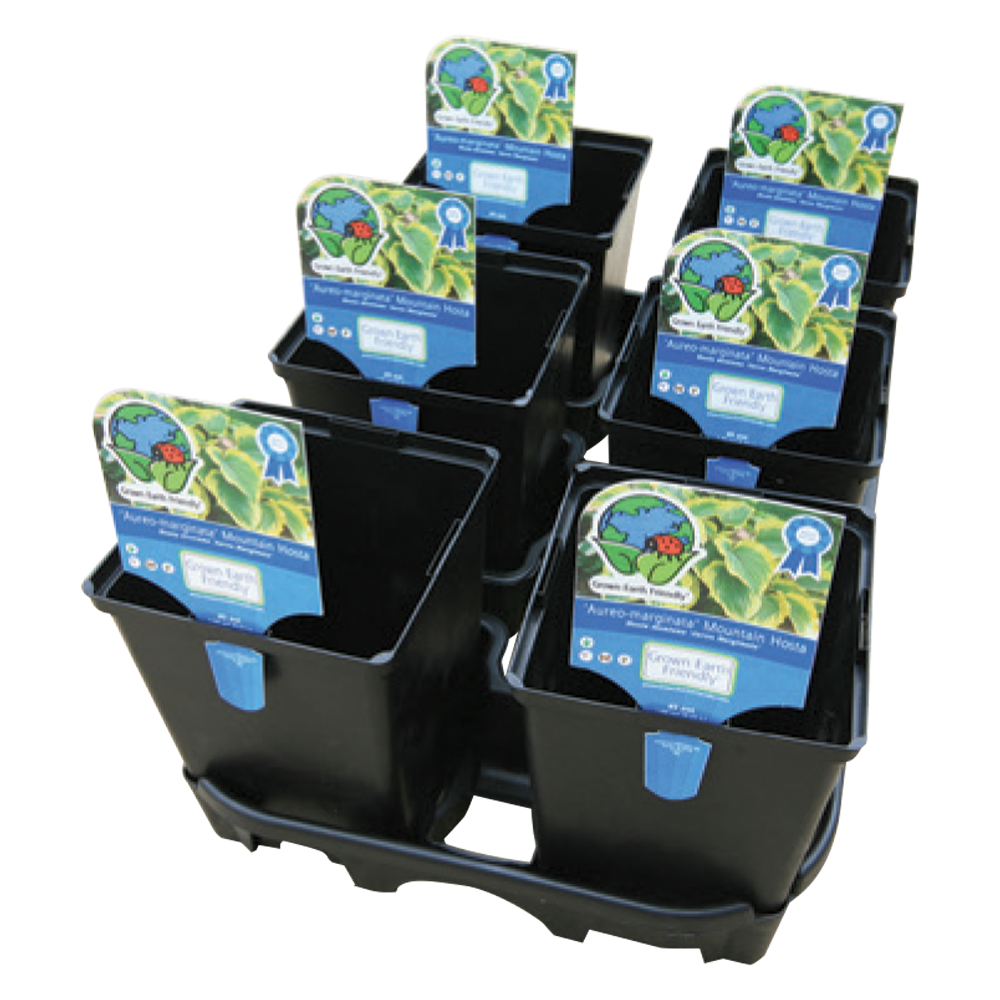
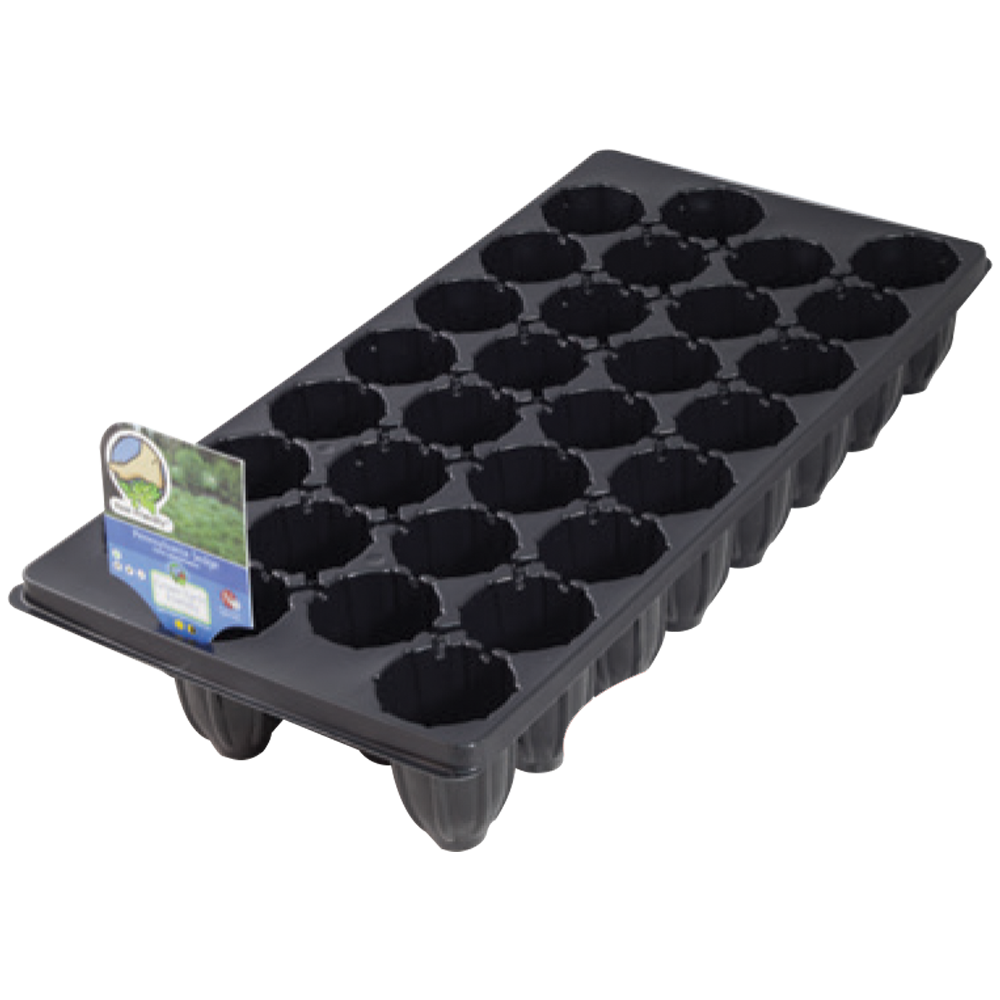
We sell this plant in these containers:
Special Characteristics










Features
Lovely green hairlike foliage, bears a multitude of upright spiky reddish flowers. Foot friendly and drought tolerant.
Landscape Value
Ground cover, edging, or turf substitute.
Care
Watering:
Pennsylvania Sedge is moderately drought tolerant but benefits from occasional watering, to maintain soil in a moist but not wet condition, during the summer months.
Fertilizing:
Pennsylvania Sedge is a moderate feeder, benefiting from a couple of annual applications of slow release fertilizer. A spring application of a 3-1-2 ratio (such as a 15-5-10) can be applied at a rate of about 10 pounds per 1000 square feet, and during early fall, an application of a 2-1-2 ratio (such as a 10-5-10) can be applied to encourage root development and cold hardiness.
Pruning:
Pennsylvania Sedge should be enjoyed all winter long, then, during early April before it begins to grow again, it should be pruned or mowed back to ground level.