
Iris ensata ‘Variegata’
Blooming Time
Exposure


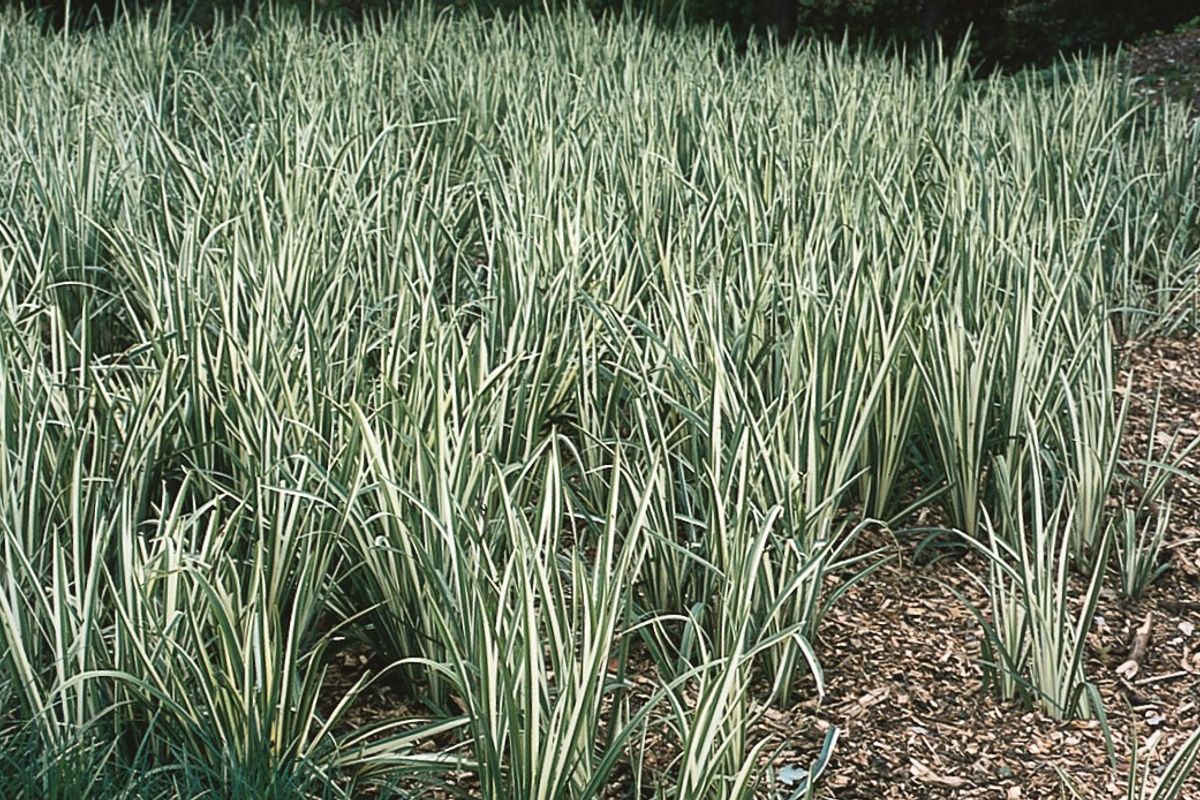
Like other variegated irises, this one displays lovely white and green striped foliage. It differs, however, in that its leaves remain brightly colored throughout the growing season and do not fade to green over time. This along with lovely purplish early summertime flowers and resistance to iris borer helps to make it an exceptional garden plant. Grow variegated Japanese iris alone or in small groups for accent or specimen use and enmasse as a colorful ground cover.
Details
Hardiness Zone:
Blossom Color:
Violet to Purple
Growth Habit:
Slow Spreading
Max Height:
2'
Texture:
Recommended Spacing:
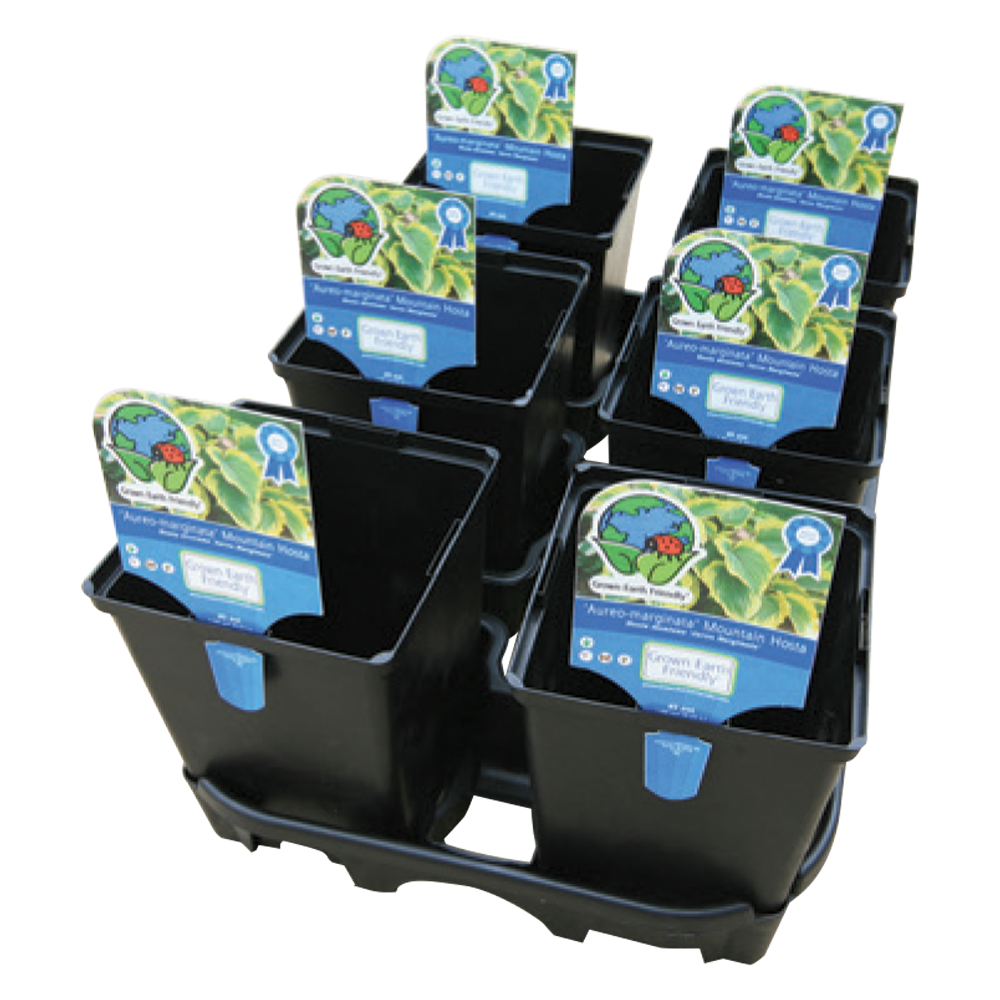
We sell this plant in these containers:
Special Characteristics









Features
Lovely white and green striped foliage combines beautifully with deep purplish lilac early summertime flowers.
Landscape Value
Moderate to large scale ground cover, accent, edging, specimen, companion--very high contrast plant valued for brightening up the landscape.
Care
Watering:
Variegated Japanese Iris requires a fair amount of supplemental watering and often requires watering on a regular basis during the growing season.
Fertilizing:
Variegated Japanese Iris is a moderate feeder, benefiting from a couple of annual applications of slow release fertilizer. A spring application of a 3-1-2 ratio (such as a 15-5-10) can be applied at a rate of about 10 pounds per 1000 square feet, and during early fall, an application of a 2-1-2 ratio (such as a 10-5-10) can be applied to encourage root development and cold hardiness.
Pruning:
Variegated Japanese Iris should be pruned while dormant during late fall or winter.