
Ratibida pinnata
Blooming Time
Exposure

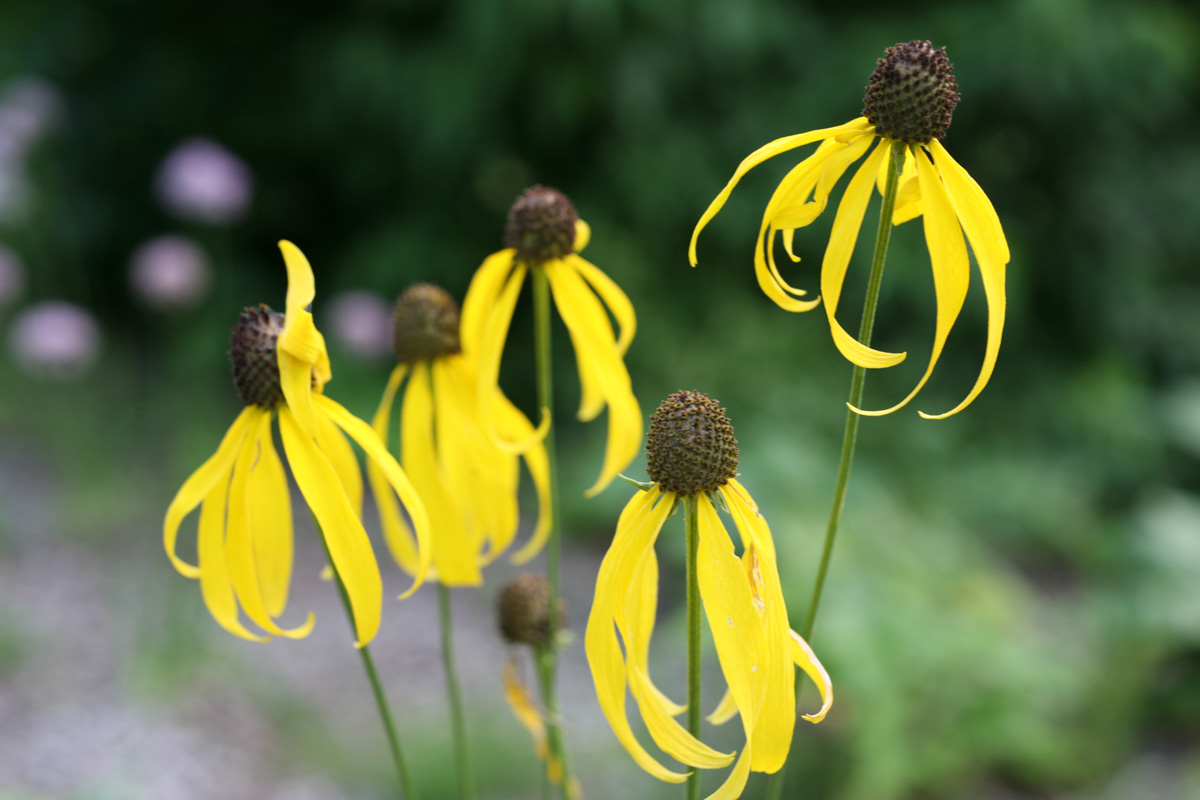
This iconic native wildflower is common to dry prairies throughout the Midwest. It begins each season in tight clumps of coarse-textured, pinnately divided basal leaves that give rise to tall highly branched floral stems. Atop these are borne showy, yellow, 2″ wide daisylike flowers with distinct cones that begin light green-gray and mature to dark brown. Yellow coneflower spreads by seed and rhizomes which makes it a fantastic choice for naturalizing or mass planting as a moderate to large-scale ground cover or companion. To ensure upright growth, be careful not to spoil it with too much water or fertility.
Details
Hardiness Zone:
Blossom Color:
Yellow to Chartreuse
Growth Habit:
Clump Forming
Max Height:
4½'
Texture:
Recommended Spacing:
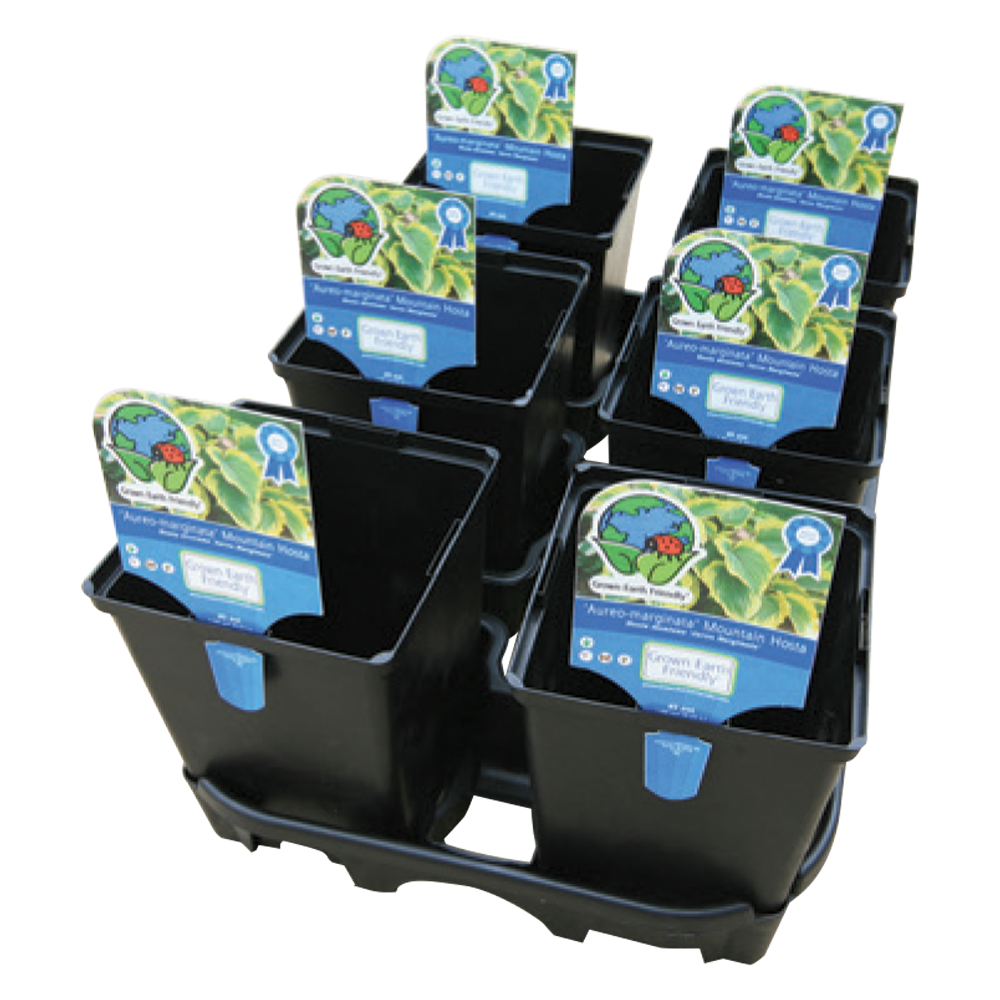
We sell this plant in these containers:
Special Characteristics






Features
This iconic native wildflower is common to dry prairies.
Landscape Value
Spreads by seeds and rhizomes which makes it a fantastic choice for naturalizing or mass planting as a moderate to large-scale ground cover or companion.
Care
Watering:
Yellow Coneflower is very drought tolerant and typically only needs watering during the hottest days of summer.
Fertilizing:
Yellow Coneflower will flower best if fertilized only with an annual fall application of superphosphate at a rate of 1/2 pound for each inch of stem diameter of the main stem, scratched into the surrounding soil. Do not use nitrogen containing fertilizers on Wisteria.
Pruning:
Yellow Coneflower can be pruned in a special manner so as to encourage flowering. Please see The Secret To Having Wisteria Flowers in this website.