
Sedum kamtschaticum
Blooming Time
Exposure


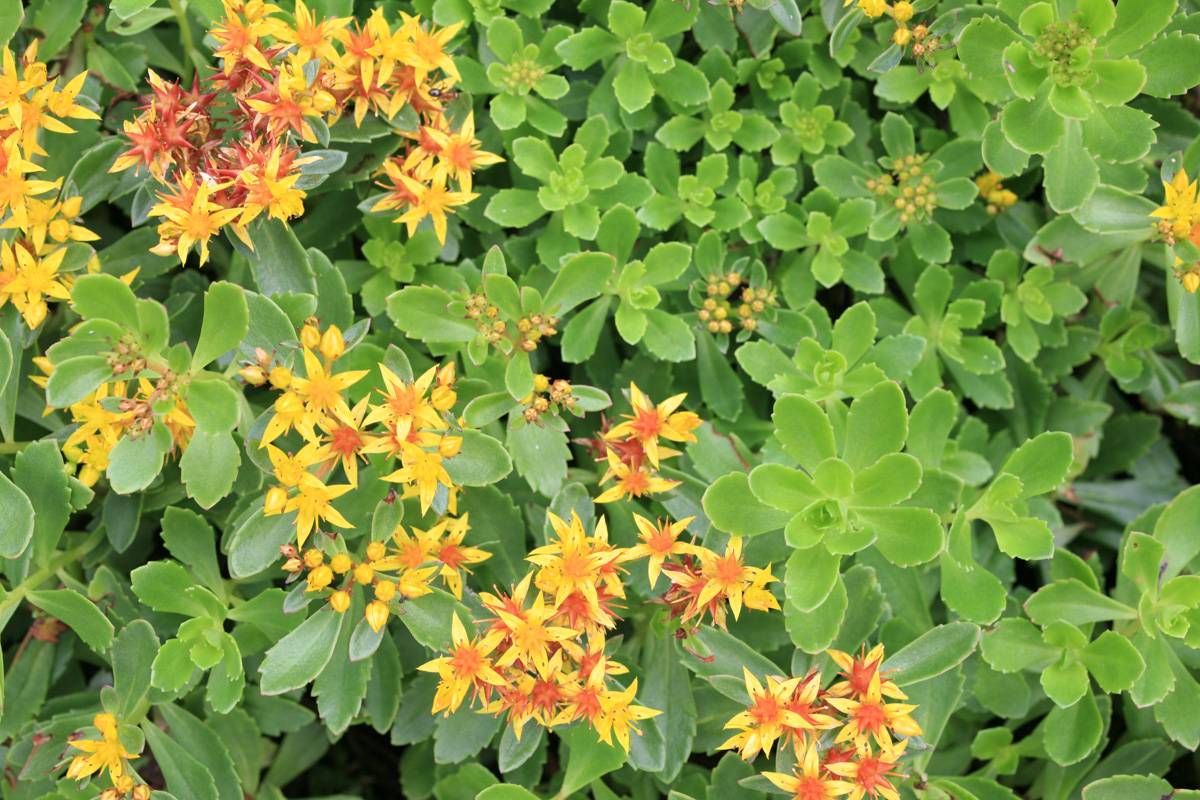
From Kamchatka, Siberia, this nearly maintenance-free plant is as hardy (Zone 3) as it is beautiful. It looks great spring to fall and begins the year with dark green foliage set in compact clumps. By early summer it is well budded and soon clothed in dazzling orange-yellow flowers. These eventually yield to russet-red capsules. Sedum kamtchaticum is great as a ground cover, edging, and rock garden plant. It combines beautifully with countless other clump forming perennials.
Details
Hardiness Zone:
Blossom Color:
Yellow to Chartreuse
Growth Habit:
Slow Spreading
Max Height:
4"
Texture:
Recommended Spacing:
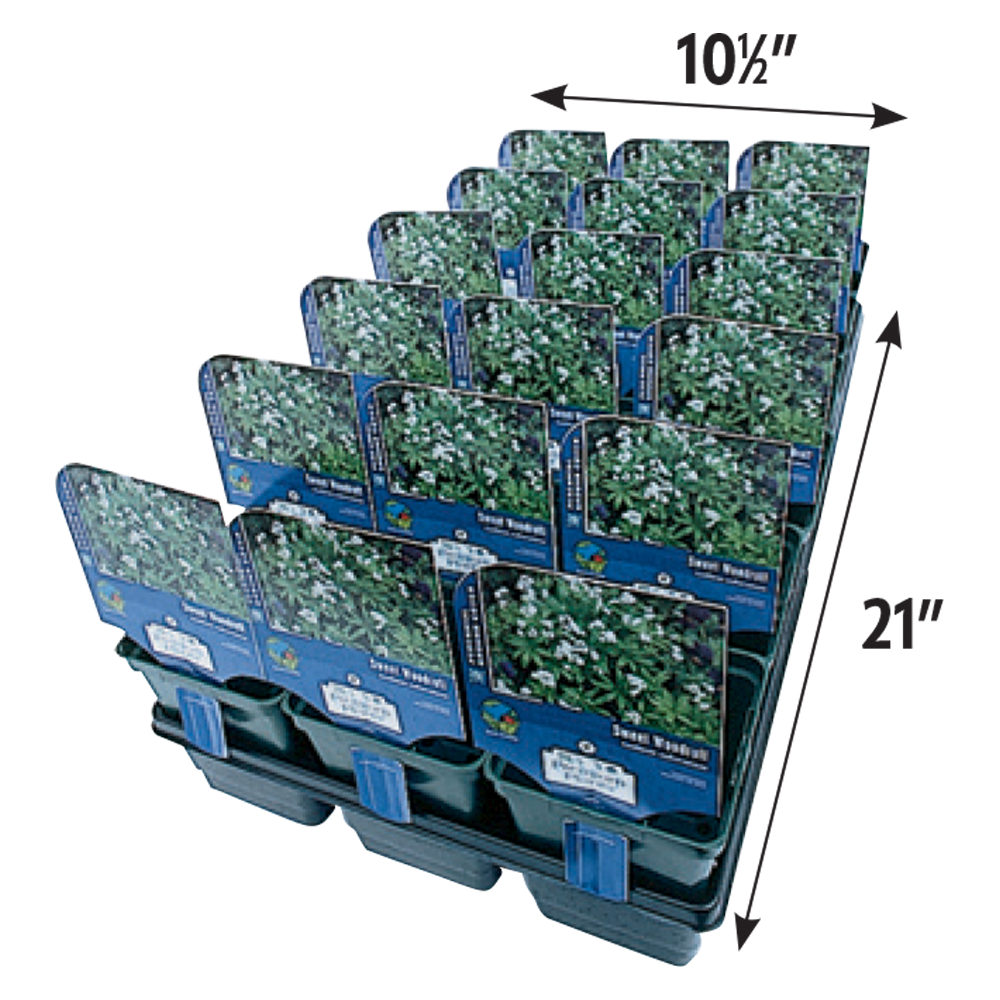
We sell this plant in these containers:
Special Characteristics










Features
From Kamchatka, Siberia, this nearly maintenance-free plant is as hardy (Zone 3) as it is beautiful. It looks great spring to fall and begins the year with dark green foliage set in compact clumps. By early summer it is well budded and soon clothed in dazzling orange-yellow flowers. These eventually yield to russet-red capsules.
Landscape Value
Sedum kamtchaticum is great as a ground cover, edging, and rock garden plant.
Care
Watering:
Kamtschatka Sedum is very drought tolerant and typically only needs watering during the hottest days of summer.
Fertilizing:
Kamtschatka Sedum is a moderate feeder, benefiting from a couple of annual applications of slow release fertilizer. A spring application of a 3-1-2 ratio (such as a 15-5-10) can be applied at a rate of about 10 pounds per 1000 square feet, and during early fall, an application of a 2-1-2 ratio (such as a 10-5-10) can be applied to encourage root development and cold hardiness.
Pruning:
Kamtschatka Sedum should be enjoyed all winter long, then, during early April before it begins to grow again, it should be pruned or mowed back to ground level.