
Asarum canadense
Blooming Time
Exposure

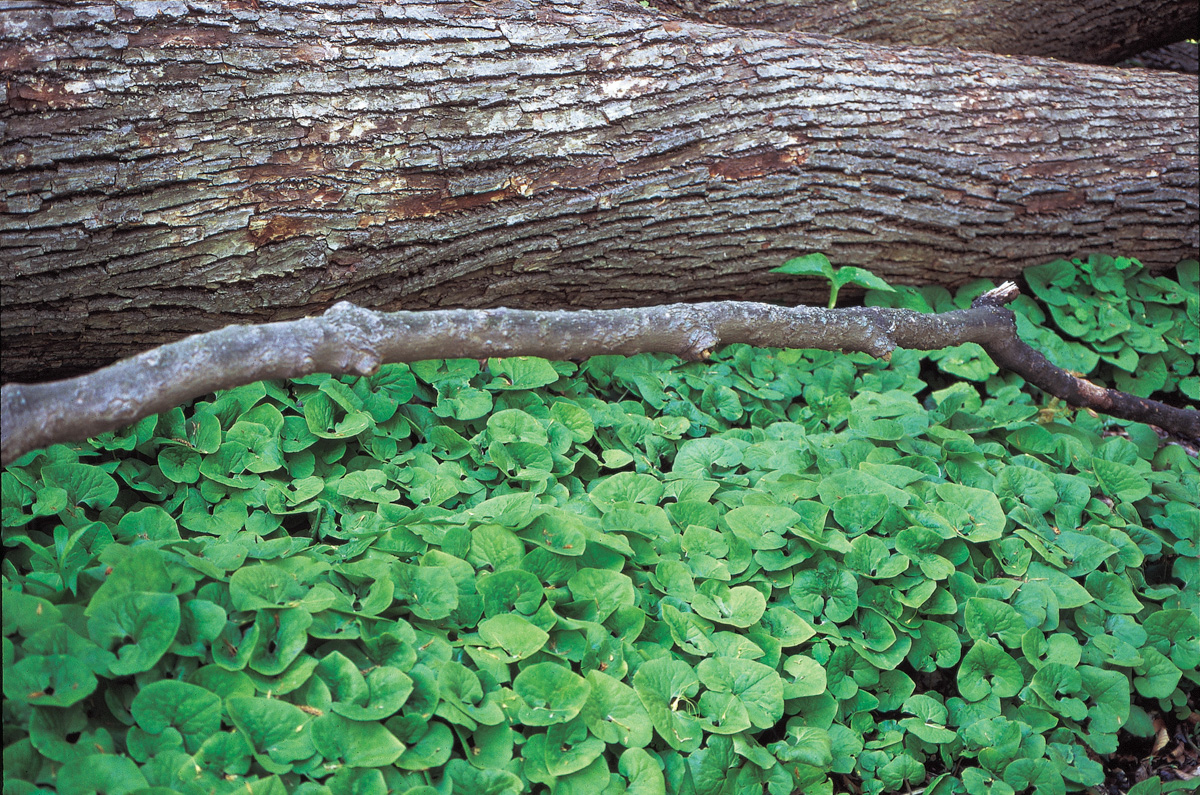
This low-growing herbaceous perennial is native to the woodlands of Eastern North America and is exceptional for its broad velvety foliage. Each plant bears a pair of hairy, heart-shaped leaves and a single purplish-brown springborne cup-shaped flower that is often obscured from view by the plant’s foliage. Canadian ginger is the most cold tolerant of all wild gingers and, because it spreads via rhizomes and will grow to create dense colonies, it is an excellent low-maintenance ground cover for general use, erosion control, and rain garden applications. Be sure to plant it in a shady site moist, organically rich soil.
Details
Hardiness Zone:
Blossom Color:
Violet to Purple
Growth Habit:
Slow Spreading
Max Height:
8"
Texture:
Recommended Spacing:
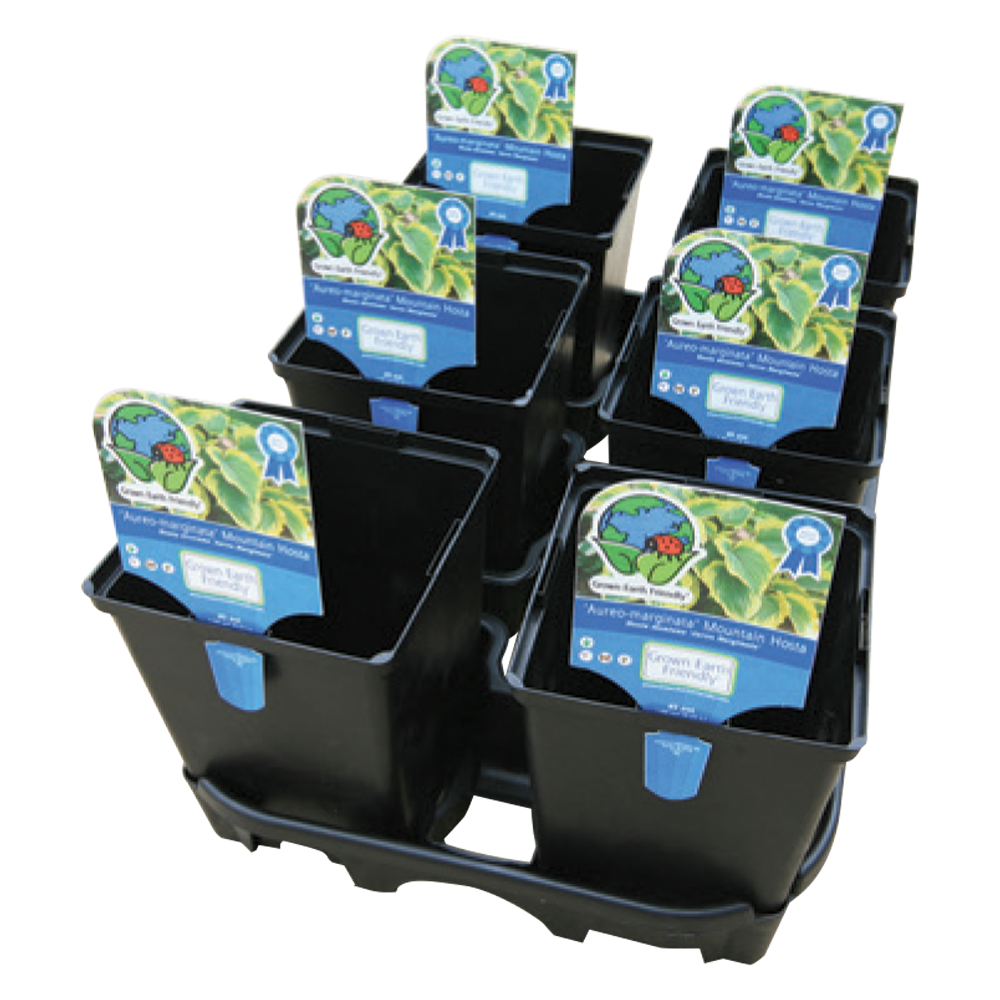
We sell this plant in these containers:
Special Characteristics






Features
Exceptional for its broad, velvety heart-shaped foliage. Its single purple-brown spring-borne cup-shaped flower is often obscured from view by the plant's foliage. The most cold tolerant of all wild gingers.
Landscape Value
An excellent low-maintenance ground cover for general use, erosion control, and rain garden applications. Be sure to plant it in a shady site with moist, organically rich soil.
Care
Watering:
Canadian Ginger requires a fair amount of supplemental watering and often requires watering on a regular basis during the growing season.
Fertilizing:
Canadian Ginger benefits from regular feeding and likely will grow best with: a spring (May) application of slow release fertilizer with a 3-1-2 ratio (such as a 15-5-10) at a rate of about 10 pounds per 1000 square feet, and a summer (July) application of slow release fertilizer with a 3-1-2 ratio (such as a 15-5-10) at a rate of about 10 pound per 1000 square feet, and and an early fall (September) application of a 2-1-2 ratio (such as a 10-5-10) at a rate of 15 pounds per 1000 square feet to encourage root development and cold hardiness.
Pruning:
Canadian Ginger is a deciduous plant (nonevergreen) and does not require pruning. It is perfectly acceptable to allow the dropped leaves to decompose and nourish the soil.