
Carex rosea
Blooming Time
Exposure



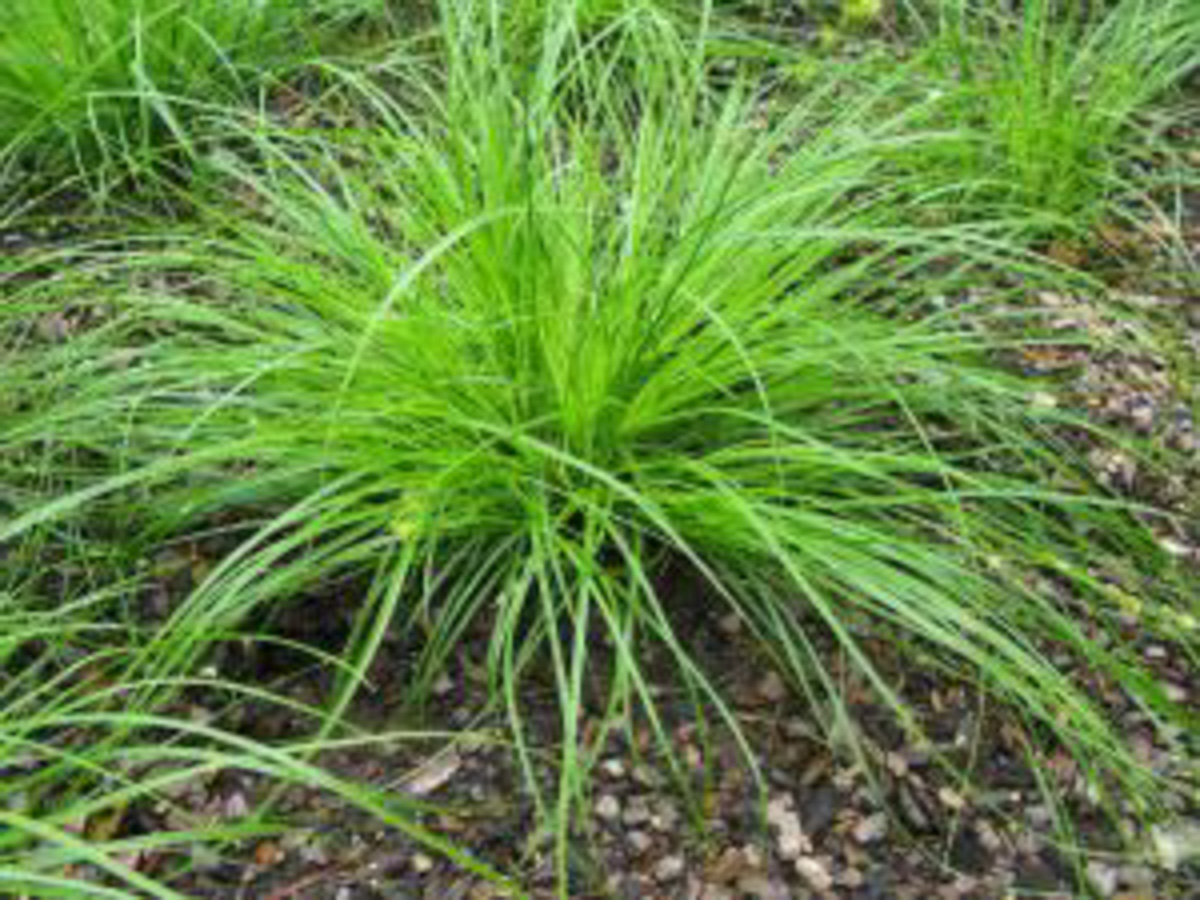
(Photo courtesy of Hoffman Nursery) Native to North America, this versatile sedge is tolerant of various degrees of shade, and it thrives in wet to dry soil conditions. Consequently, Rosy sedge’s landscape uses are vast; its small clumps of fine-textured semi-evergreen foliage are well suited in containers, and its low-growing gently arching habit allows it to function as a lovely woodland groundcover, lawn substitute, or erosion-controlling border to streams and ponds. In late spring its narrow-leaved clumps of mid green foliage are topped with coarse, star-shaped flower spikes. The flowers are green in overall appearance but bear rosy pink stigmas for which this plant is named.
Details
Hardiness Zone:
Blossom Color:
Tan to Brown
Growth Habit:
Clump Forming
Max Height:
14"
Texture:
Recommended Spacing:
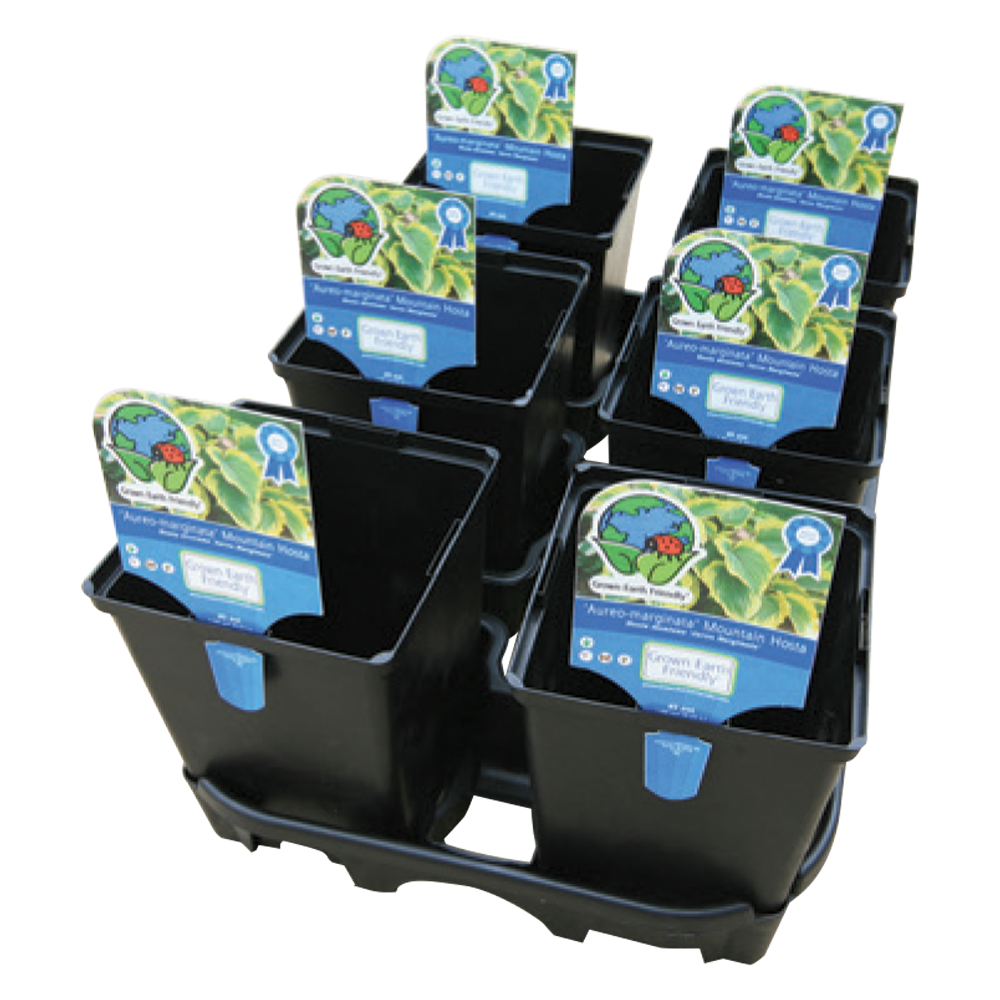
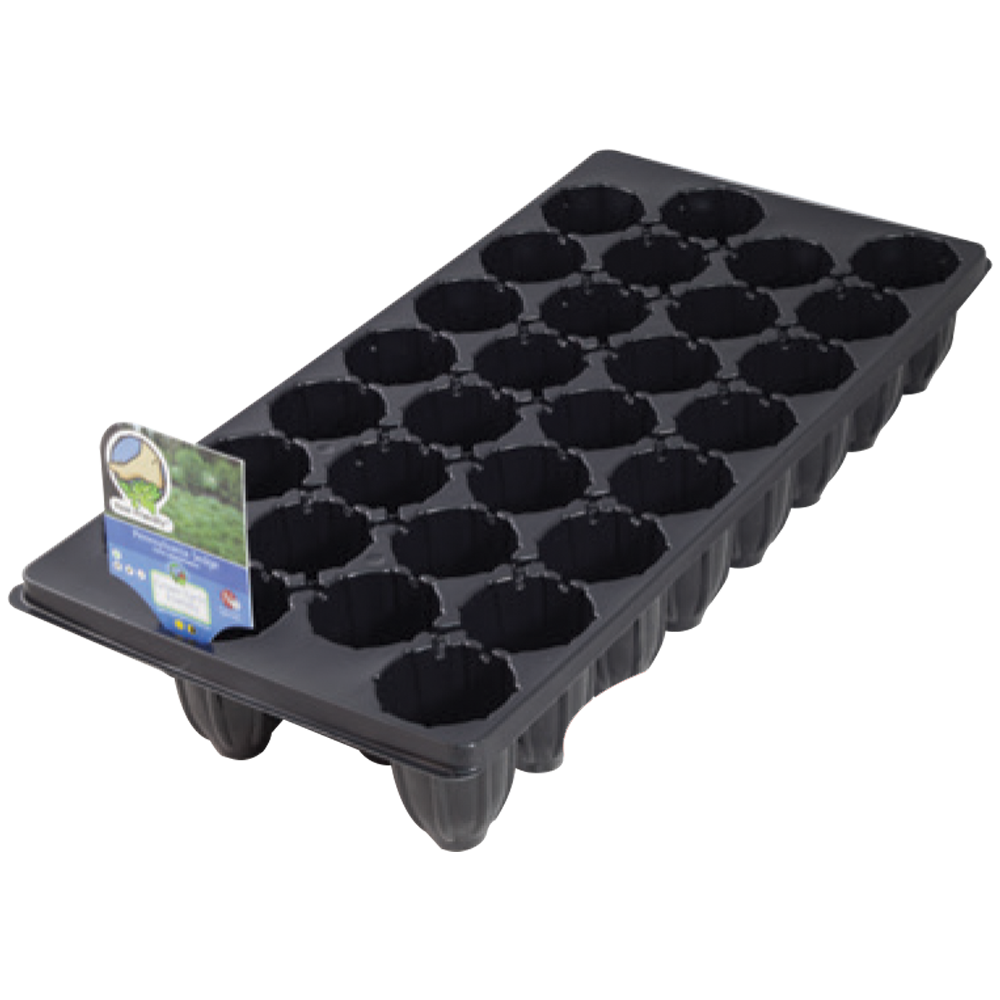
We sell this plant in these containers:
Special Characteristics










Features
Native to North America, this versatile sedge is tolerant of various degrees of shade, and it thrives in wet to dry soil conditions.
Landscape Value
Well suited in containers; a lovely woodland groundcover, lawn substitute, or erosion-controlling border to streams and ponds.
Care
Watering:
Rosy Sedge is moderately drought tolerant but benefits from occasional watering, to maintain soil in a moist but not wet condition, during the summer months.
Fertilizing:
Rosy Sedge is a moderate feeder, benefiting from a couple of annual applications of slow release fertilizer. A spring application of a 3-1-2 ratio (such as a 15-5-10) can be applied at a rate of about 10 pounds per 1000 square feet, and during early fall, an application of a 2-1-2 ratio (such as a 10-5-10) can be applied to encourage root development and cold hardiness.
Pruning:
Rosy Sedge should be enjoyed all winter long, then, during early April before it begins to grow again, it should be pruned or mowed back to ground level.