
Heucherella ‘Stoplight’
Blooming Time
Exposure

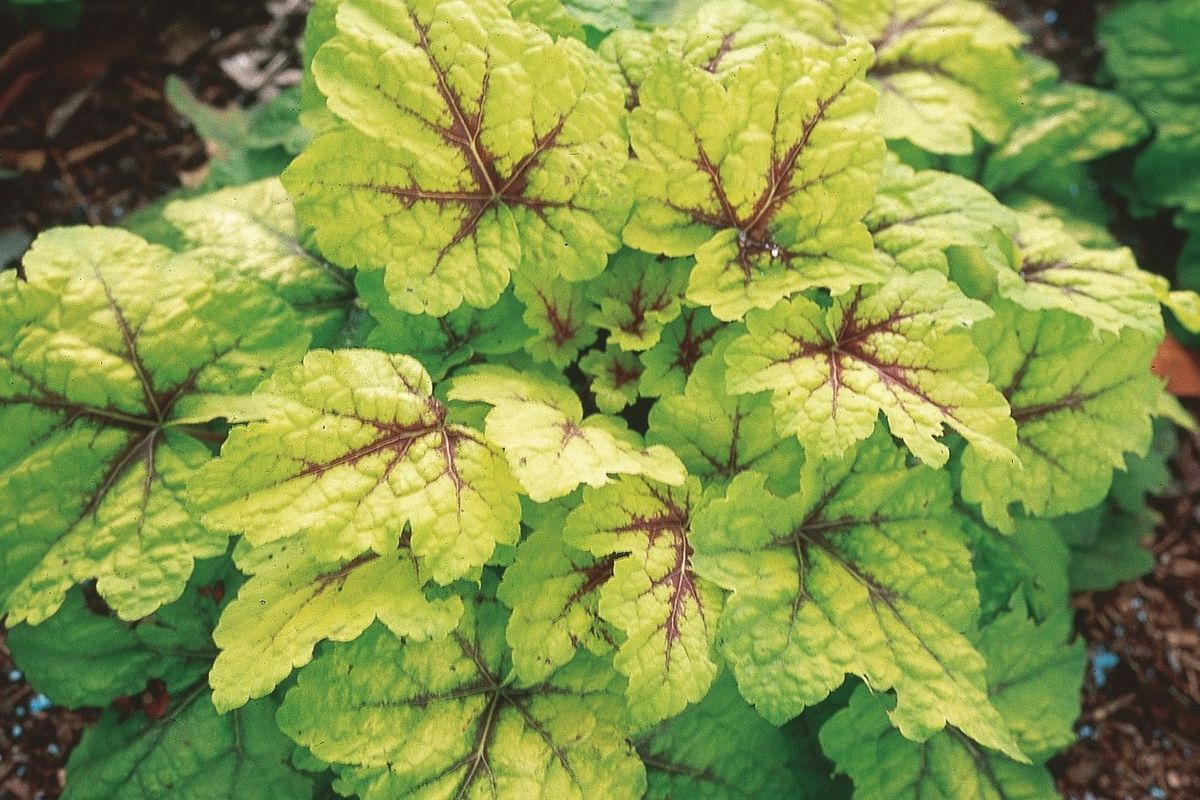
Selected by Dan Heims of Terra Nova Nursery, this fascinating selection makes a bright splash in the shade garden. ‘Stoplight’ is clothed in blood-red splotched, electric yellow foliage that forms mats 1½-feet across. In early to mid summer, ‘Stoplight’ also produces a good quantity of rich pink flowers atop upright floral spikes and during fall its leaves change to straw yellow. ‘Stoplight’ works nicely as a bright accent plant or light reflecting, small scale ground cover.
Details
Hardiness Zone:
Blossom Color:
Rose to Pink
Growth Habit:
Clump Forming
Max Height:
8"
Texture:
Recommended Spacing:
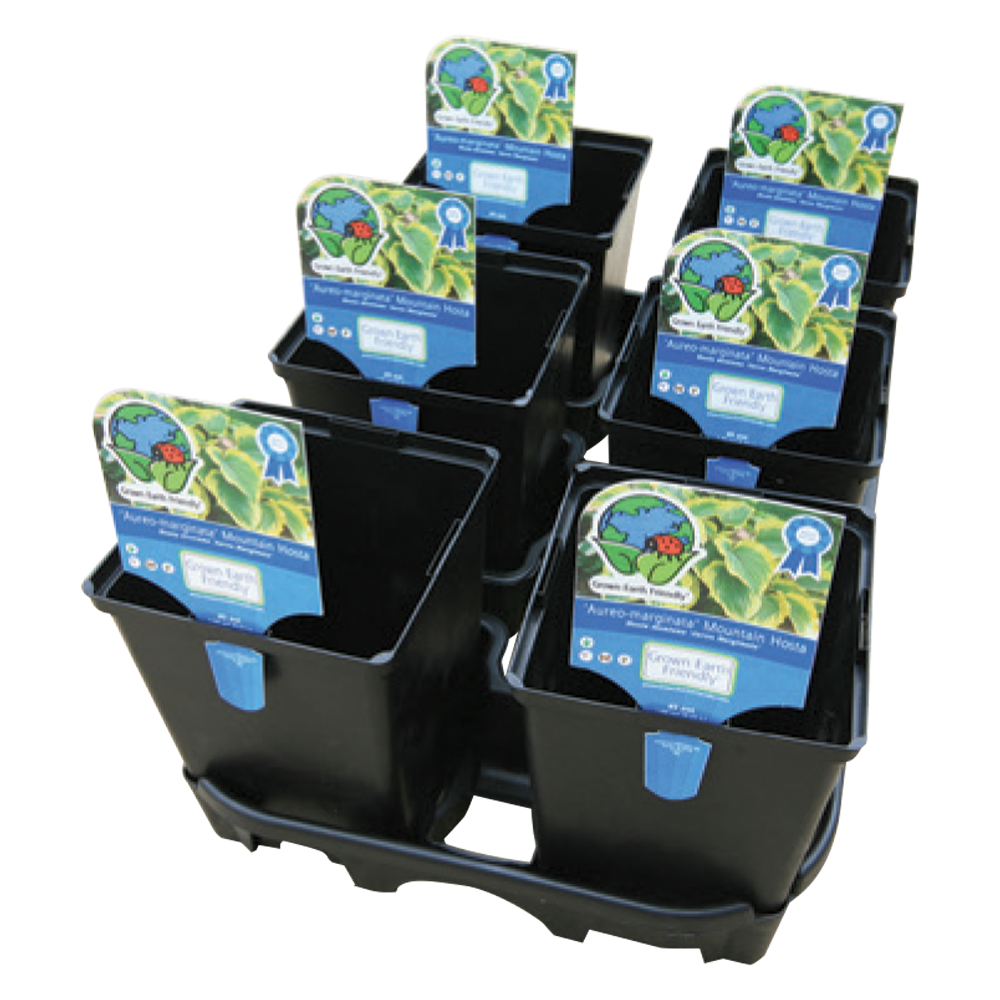
We sell this plant in these containers:
Special Characteristics










Features
Blood-red splotched, electric yellow foliage forms mats 1½-feet across. Early to mid summer also produces rich pink flowers atop upright floral spikes, leaves change to straw yellow in fall.
Landscape Value
Bright splash in the shade garden, great lining woodland paths and shady borders.
Care
Watering:
'Stoplight' Foamy Bells is moderately drought tolerant but benefits from occasional watering, to maintain soil in a moist but not wet condition, during the summer months.
Fertilizing:
'Stoplight' Foamy Bells is a moderate feeder, benefiting from a couple of annual applications of slow release fertilizer. A spring application of a 3-1-2 ratio (such as a 15-5-10) can be applied at a rate of about 10 pounds per 1000 square feet, and during early fall, an application of a 2-1-2 ratio (such as a 10-5-10) can be applied to encourage root development and cold hardiness.
Pruning:
'Stoplight' Foamy Bells is a deciduous plant (nonevergreen) and does not require pruning. It is perfectly acceptable to allow the dropped leaves to decompose and nourish the soil.