
Epimedium warleyense
Blooming Time
Exposure


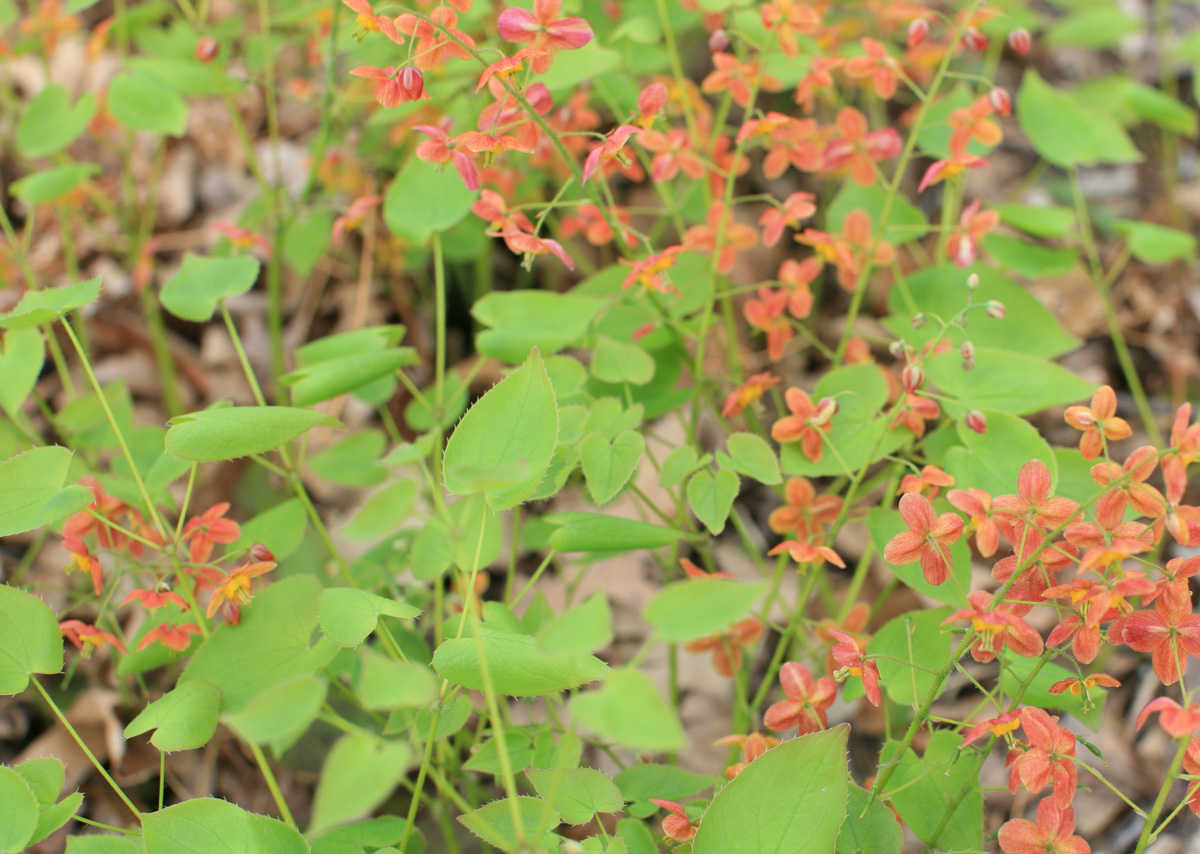
This Epimedium is one of the smallest you will find on the market, forming clumps that reach only 9-inches but packing large ornamental qualities. Young leaves have a hint of burnt red around the edges when they emerge and mature to handsome green. And, from April through May, Orange flowered Epimedium produces bursts of amazing mostly-orange flowers that range from pastel yellow to cherry red. In fall, the leaves darken to bronze with red tones, providing interest later in the season. Orange flowered Epimedium is long lived, sturdy, and drought tolerant once it is established.
Details
Hardiness Zone:
Blossom Color:
Orange, Copper, Gold
Growth Habit:
Clump Forming
Max Height:
9"
Texture:
Recommended Spacing:
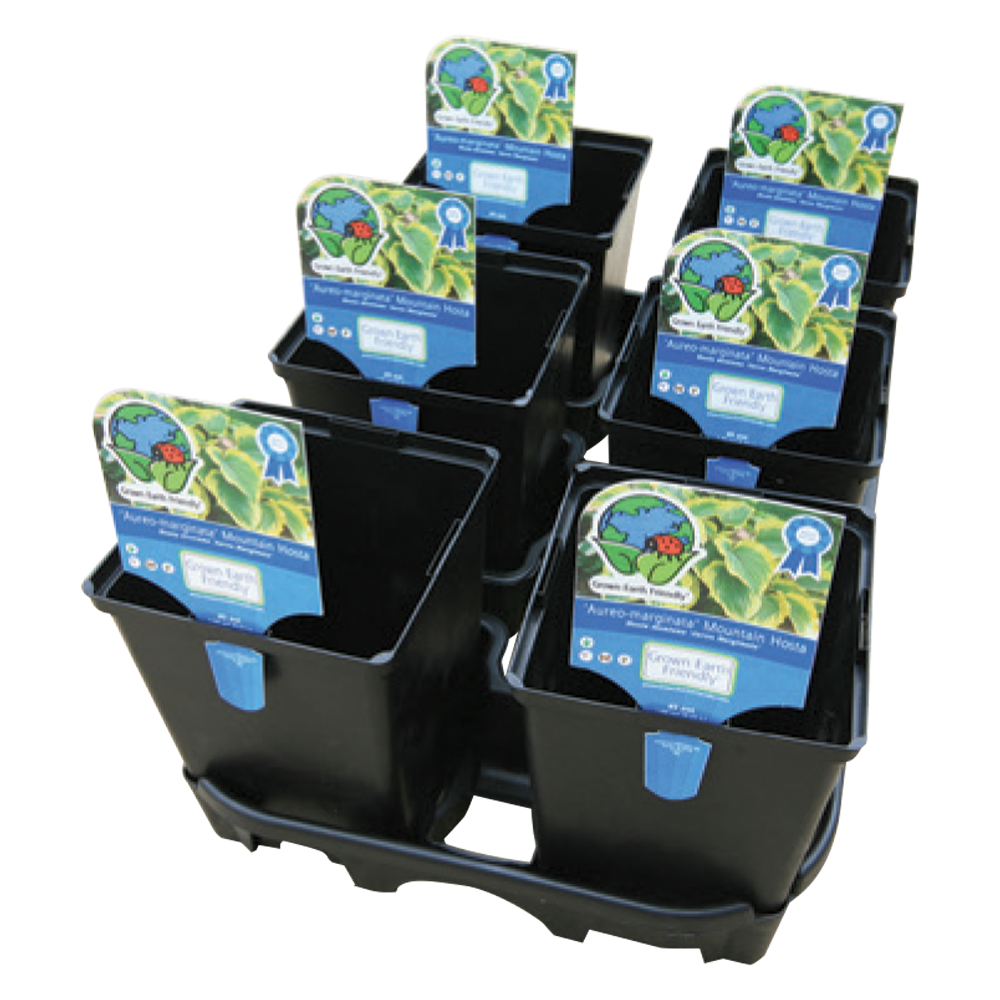
We sell this plant in these containers:
Special Characteristics







Features
Young leaves have a hint of burnt red around the edges when they emerge and mature to handsome green. From April through May, it produces bursts of amazing mostly-orange flowers that range from pastel yellow to cherry red. In fall, the leaves darken to bronze with red tones, providing interest later in the season.
Landscape Value
This Epimedium is one of the smallest you will find on the market, forming clumps that reach only 9 inches but packing large ornamental qualities.
Care
Watering:
Orange Flowered Epimedium is moderately drought tolerant but benefits from occasional watering, to maintain soil in a moist but not wet condition, during the summer months.
Fertilizing:
Orange Flowered Epimedium is a moderate feeder, benefiting from a couple of annual applications of slow release fertilizer. A spring application of a 3-1-2 ratio (such as a 15-5-10) can be applied at a rate of about 10 pounds per 1000 square feet, and during early fall, an application of a 2-1-2 ratio (such as a 10-5-10) can be applied to encourage root development and cold hardiness.
Pruning:
Orange Flowered Epimedium should be enjoyed all winter long, then, during early April before it begins to grow again, it should be pruned or mowed back to ground level.