Carex appalachica

Blooming Time

May

Exposure

True
Light Shade
True
Moderate Shade

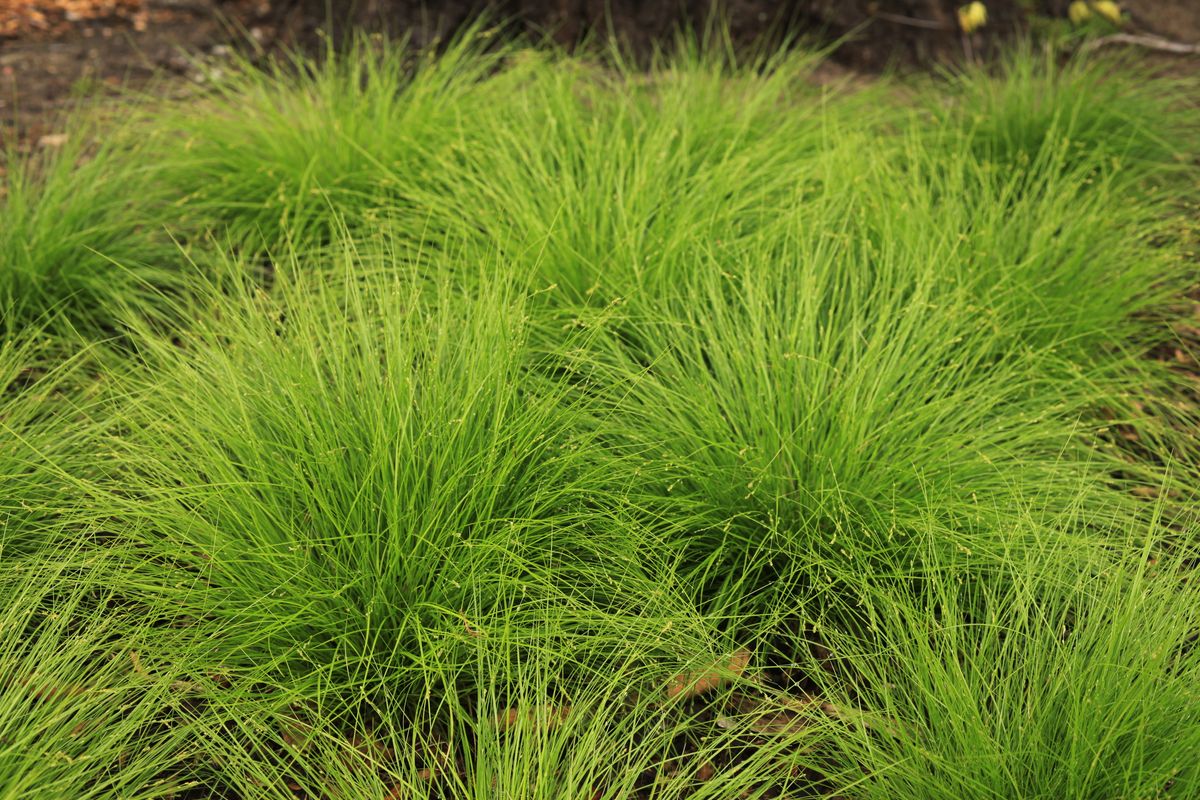
With deep green, hair-thin foliage and clumping habit, this fine-textured, fountain shaped sedge is a wonderful native species for dry shade, including under the root zone of shallow-rooted trees. Like most sedges, its foliage is the main attribute, and in this case, it is complemented with tiny greenish-yellow compact flowers that ascend slightly above the foliage during spring. Appalachian sedge is an excellent ground cover or pathway edging and looks great tucked into the cracks of rocky retaining walls. En masse it is lovely and reminiscent of waves on the ocean.

Details

Hardiness Zone:

3

Blossom Color:

Green, of Various Intensity

Growth Habit:

Clump Forming

Max Height:

12"

Texture:

Fine Texture

Recommended Spacing:

12" to 1½'

We sell this plant in these containers:
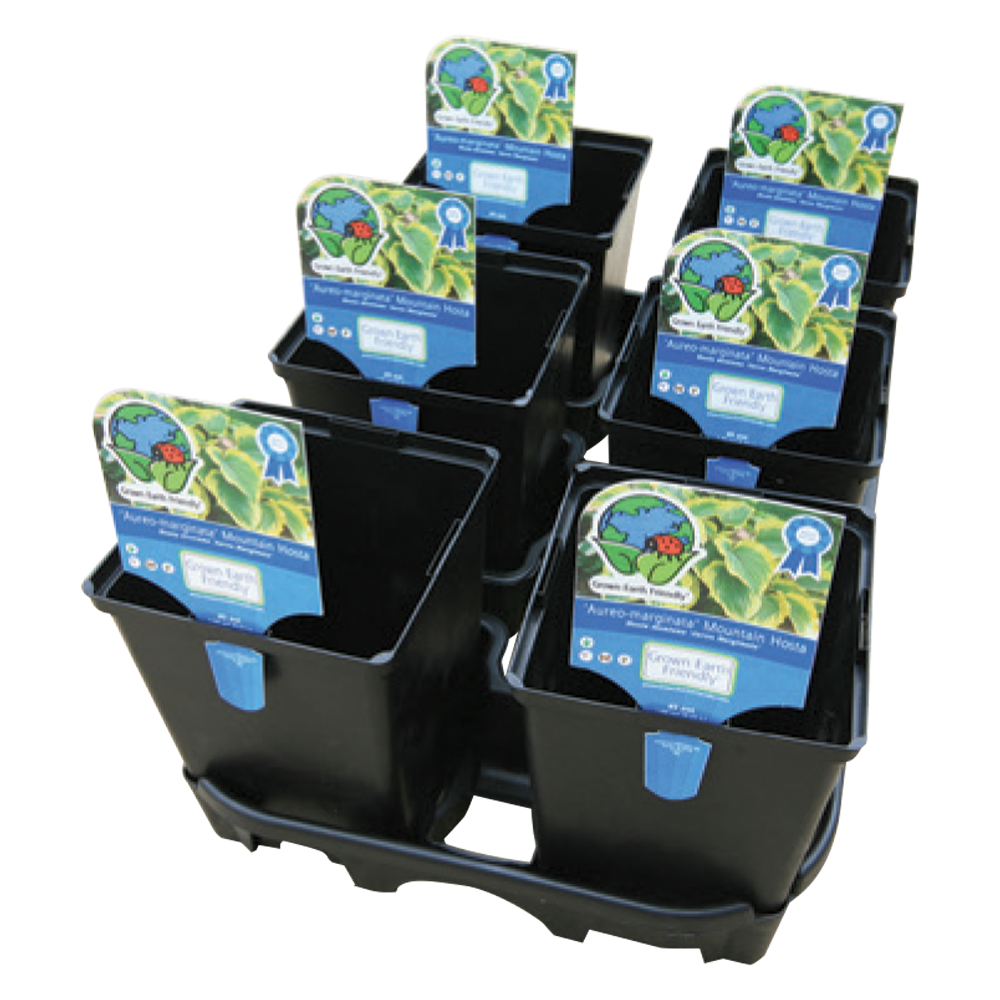
#1 Pot
#1 Pot
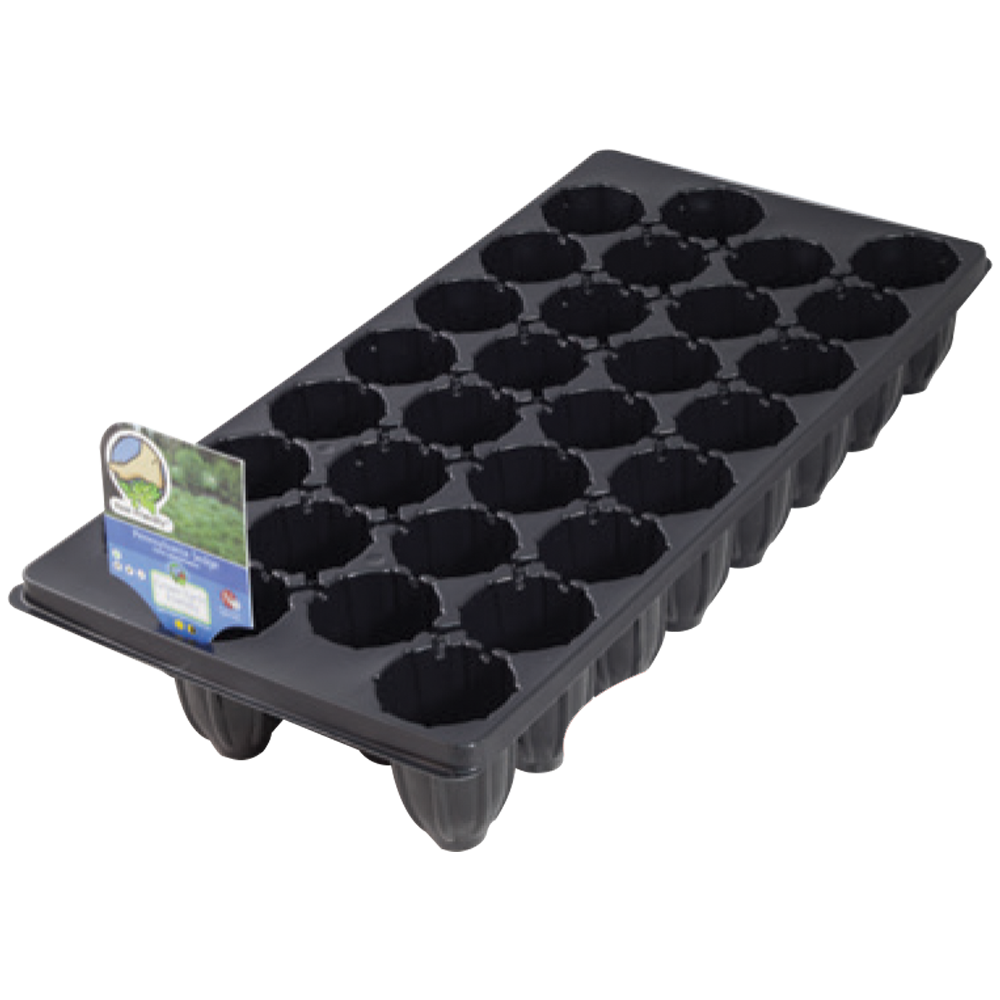
30 Cell Pack
30 Cell Pack

Special Characteristics

True
Seasonal Effect
True
Moderate Area
True
Drought Tolerant
True
Small Area
True
Deer Resistant
True
Sandy Soil Tolerant
Controls Erosion
True
Native Species

Features

Tiny greenish yellow compact flowers ascend slightly above hair-thin foliage and clumping habit.

Landscape Value

Excellent as ground cover, pathway edging, and looks great tucked into the cracks of rocky retaining walls. En masse it is lovely and reminiscent of waves on the ocean.

Care

Watering:

Appalachian Sedge is very drought tolerant and typically only needs watering during the hottest days of summer.

Fertilizing:

Appalachian Sedge needs little fertilizer, but benefits from a single springtime or fall topdressing (about 1 inch deep) of organic compost or well rotted leaves. Alternatively, a springtime application of a slow release fertilizer with a 3-1-2 ratio (such as a 15-5-10) can be applied at a rate of about 10 pounds per 1000 square feet.

Pruning:

Appalachian Sedge should be pruned while dormant during late fall or winter.

Companion Plants

Polystichum acrostichoidesView
Fern, Christmas
Dryopteris erythrosora ‘Compacta’View
Fern, Autumn Compact
Waldsteinia ternataView
Strawberry, Barren
Tiarella ‘Sugar and Spice’View
Foamflower, `Sugar & Spice'
Heucherella ‘Stoplight’View
Foamy Bells, `Stoplight'
Carex Feather Falls™ PP26,199View
Sedge, Feather Falls™
Carex elata ‘Bowles Golden’View
Sedge, `Bowles Golden'
Carex morrowii ‘Ice Dance’View
Sedge, `Ice Dance'
Carex oshimensis EverColor® ‘Everillo’ PP21,002View
Sedge, EverColor® `Everillo'
Dryopteris filix-mas ‘Undulata Robusta’View
Fern, Male, Robust
Dryopteris marginalisView
Fern, Leatherleaf Woodfern
Dryopteris filix-mas ‘Barnesii’View
Fern, Male, Barne's
Dryopteris affinis ‘Stableri’View
Fern, Male, Golden-scaled, Stabler's
Polystichum polyblepharumView
Fern, Japanese Tassel
Polystichum neolobatumView
Fern, Long Eared Holly
Tiarella ‘Spring Symphony’View
Foamflower, `Spring Symphony'
Hosta plantaginifoliaView
Hosta, August Lily
Hosta ‘Praying Hands’View
Hosta, `Praying Hands'
Hosta ‘Liberty’View
Hosta, `Liberty'
Hosta ‘Lemon Frost’View
Hosta, Pocket, `Lemon Frost'
Hosta ‘Guardian Angel’View
Hosta, `Guardian Angel'
Heuchera ‘Timeless Night’ PP32,134View
Coral Bells, `Timeless Night'
Heuchera ‘Red Lightning’ PP27,767View
Coral Bells, `Red Lightning'
Heuchera ‘Berry Smoothie’ PP21,871View
Coral Bells, `Berry Smoothie'
Heuchera ‘Caramel’View
Coral Bells, `Caramel'
Heuchera ‘Forever Purple’ PP26,358View
Coral Bells, `Forever Purple'
Heuchera Forever® Red PP29,644View
Coral Bells, Forever® Red
Heuchera ‘Georgia Peach’ PP19,375View
Coral Bells, `Georgia Peach'
Iris cristataView
Iris, Crested
Iris cristata ‘Alba’View
Iris, Crested, Dwarf, White Flowered