
Hosta ‘Krossa Regal’
Blooming Time
Exposure



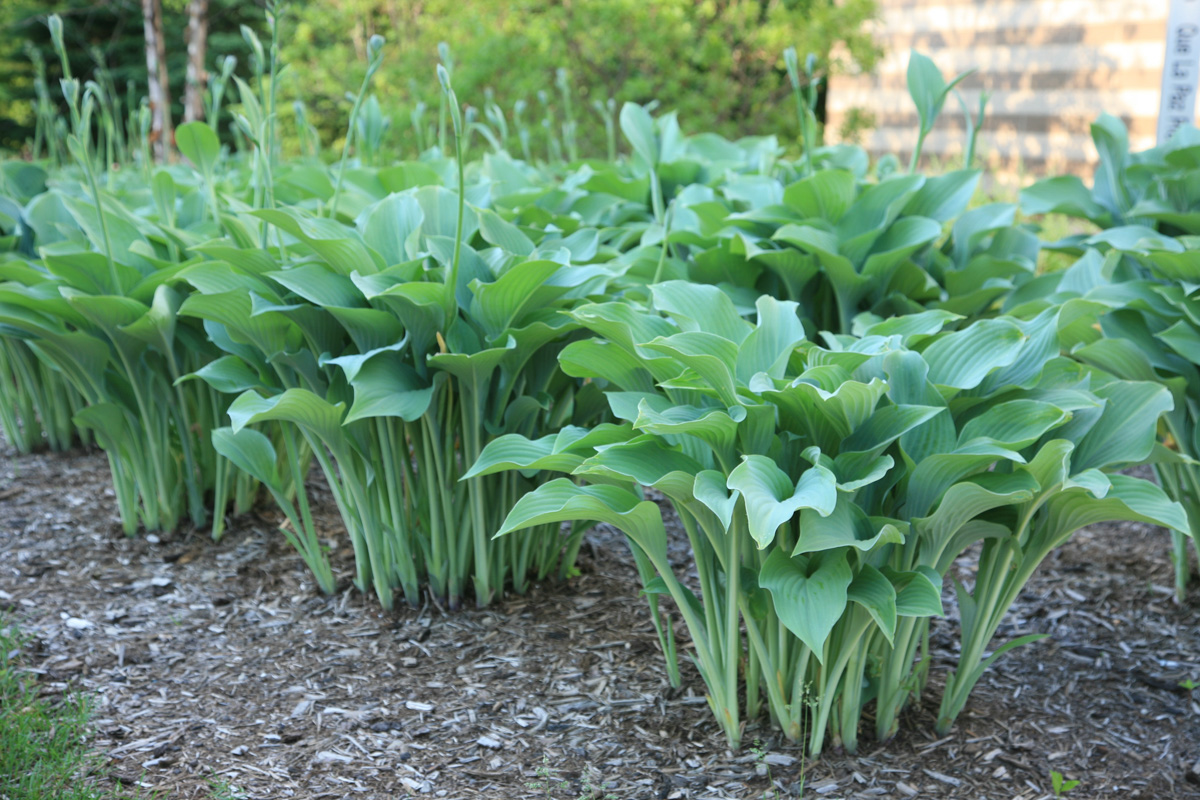
Relatively tall and upright growing, the marvelous frosty blue-green, wavy-edged, heart-shaped leaves of ‘Krossa Regal’ are oriented in such manner as to create a neat vase-shape. Recipient of the American Hosta Societies Eunice Fisher Award, ‘Krossa Regal’ is a wonderful selection for accent and companion planting. Yet, when mass planted as a ground cover it has a unique way of brightening up the landscape with its iridescent quality. It flowers nicely too, bearing numerous, hummingbird attracting, fragrant white trumpets during the summer months. ‘Krossa Regal’ is an outstanding edging hosta, great for mass planting as a general cover-especially on sloping terrain which helps to highlight the underside of the leaves and stems, and it makes a nice companion to other ground covers and perennials.
Details
Hardiness Zone:
Blossom Color:
White to Cream
Growth Habit:
Clump Forming
Max Height:
3'
Texture:
Recommended Spacing:
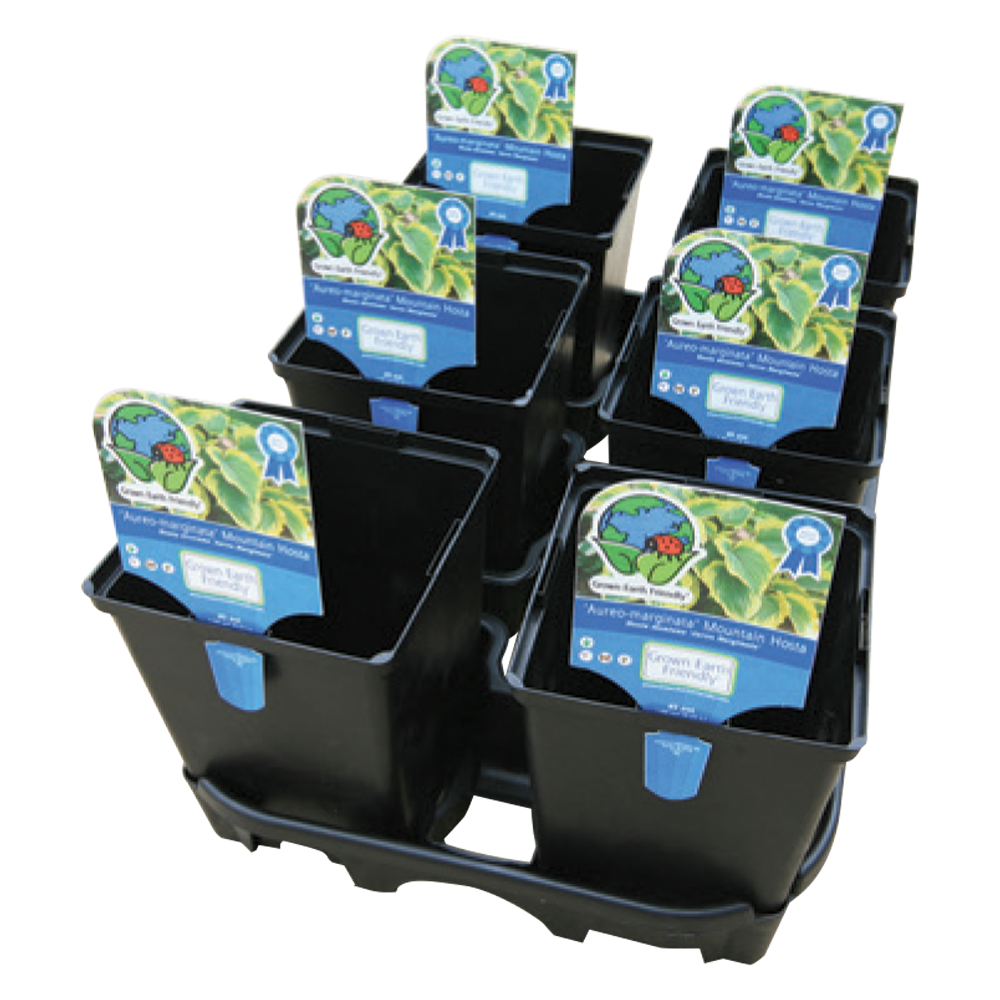
We sell this plant in these containers:
Special Characteristics










Features
Marvelous frosty blue-green, wavy-edged, heart-shaped leaves oriented upward to create a neat vase-shaped habit. White hummingbird attracting summerborne fragrant trumpet shaped flowers.
Landscape Value
Moderate to large scale ground cover, accent, edging, or companion. Super low maintenance, durable, and drought tolerant.
Care
Watering:
'Krossa Regal' Hosta is moderately drought tolerant but benefits from occasional watering, to maintain soil in a moist but not wet condition, during the summer months.
Fertilizing:
'Krossa Regal' Hosta is a moderate feeder, benefiting from a couple of annual applications of slow release fertilizer. A spring application of a 3-1-2 ratio (such as a 15-5-10) can be applied at a rate of about 10 pounds per 1000 square feet, and during early fall, an application of a 2-1-2 ratio (such as a 10-5-10) can be applied to encourage root development and cold hardiness.
Pruning:
'Krossa Regal' Hosta is a deciduous plant (nonevergreen) and does not require pruning. It is perfectly acceptable to allow the dropped leaves to decompose and nourish the soil.