
Hosta ‘Teaspoon’
Blooming Time
Exposure


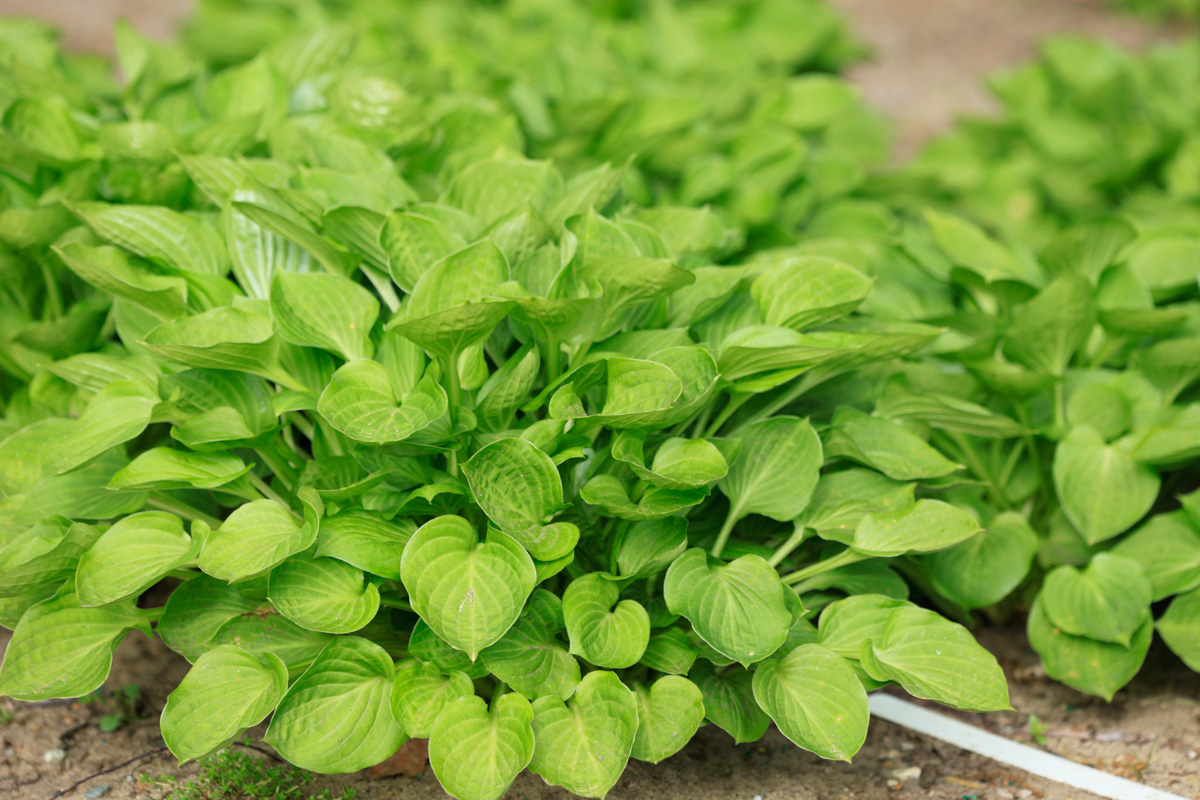
‘Teaspoon’ pocket hosta displays brilliant green, cupped leaves with subtle light green veining, clustered together in a rounded clump that can grow to 1-foot wide. Its dainty leaves stay clean and free of discoloration all season if planted out of direct sunlight. In late spring, 20-inch stems hold light lavender flowers high above the foliage and are really quite showy! ‘Teaspoon’ is a vigorous grower and will perform well at the edges of borders and in mixed beds among similarly scaled plants.
Details
Hardiness Zone:
Blossom Color:
Violet to Purple
Growth Habit:
Clump Forming
Max Height:
10"
Texture:
Recommended Spacing:
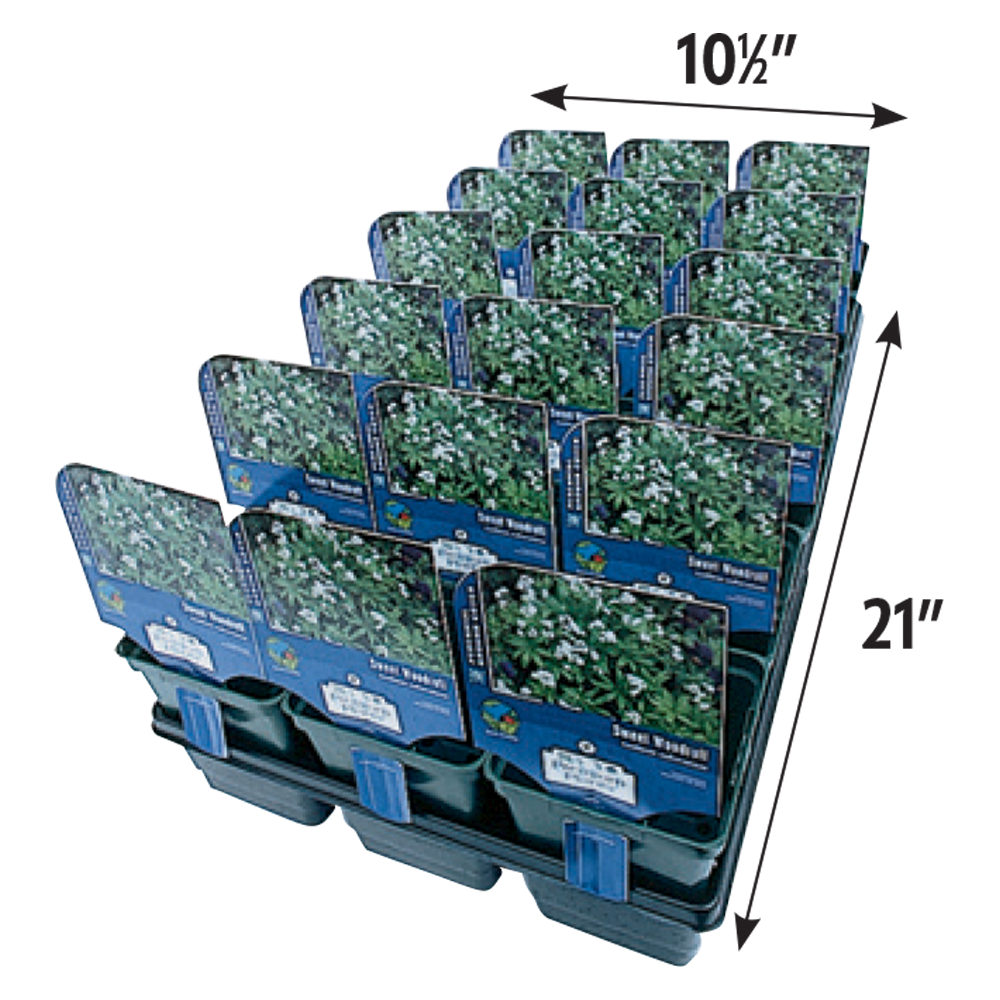
We sell this plant in these containers:
Special Characteristics








Features
Displays brilliant green, cupped leaves with subtle light green veining, clustered together in a rounded clump that can grow to 1-foot wide.
Landscape Value
Is a vigorous grower and will perform well at the edges of borders and in mixed beds among similarly scaled plants.
Care
Watering:
'Teaspoon' Pocket Hosta is moderately drought tolerant but benefits from occasional watering, to maintain soil in a moist but not wet condition, during the summer months.
Fertilizing:
'Teaspoon' Pocket Hosta is a moderate feeder, benefiting from a couple of annual applications of slow release fertilizer. A spring application of a 3-1-2 ratio (such as a 15-5-10) can be applied at a rate of about 10 pounds per 1000 square feet, and during early fall, an application of a 2-1-2 ratio (such as a 10-5-10) can be applied to encourage root development and cold hardiness.
Pruning:
'Teaspoon' Pocket Hosta is a deciduous plant (nonevergreen) and does not require pruning. It is perfectly acceptable to allow the dropped leaves to decompose and nourish the soil.