
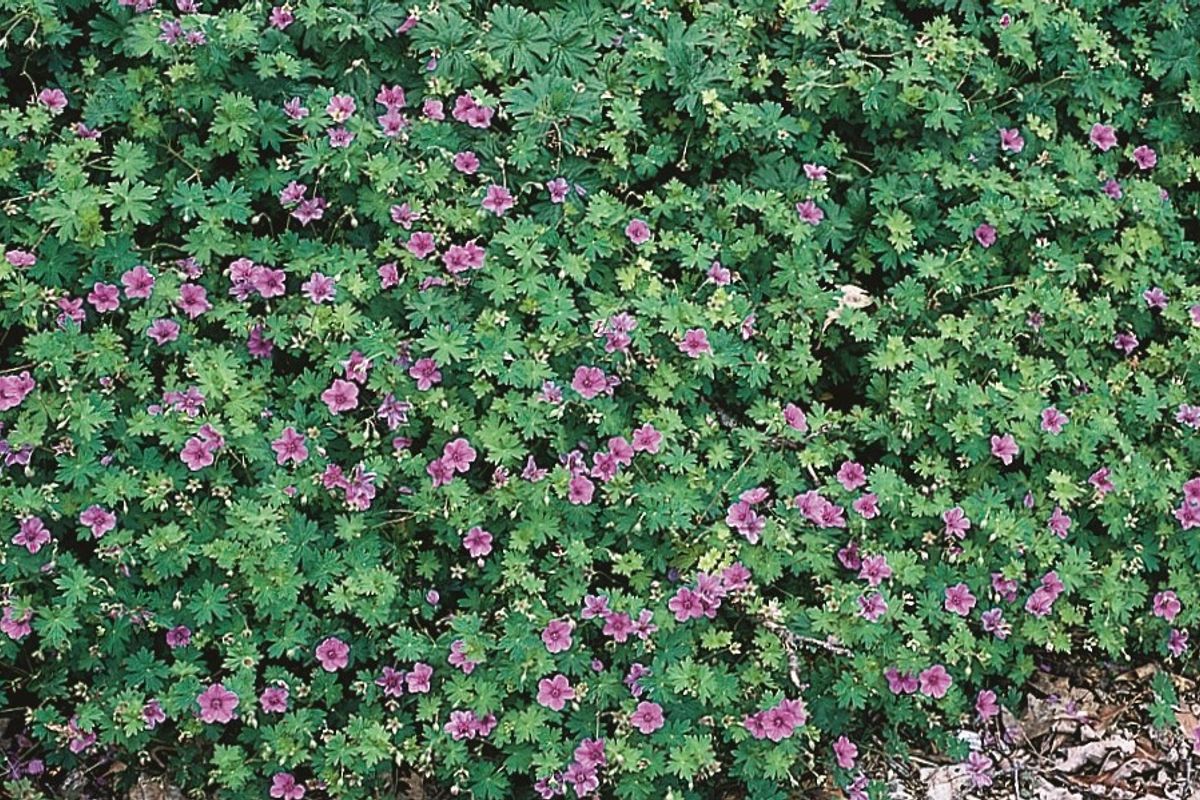
Geranium ‘Dily’s’

Blooming Time

June
July
August
September

Exposure

True
Full Sun
True
Light Shade
True
Moderate Shade

A vigorous carefree incredibly strong and healthy ground cover that flowers all summer, ‘Dily’s’ is one of the very best ground covering geraniums. From a cross involving G. procurrens (a strong growing rambler) and G. sanguineum (a brightly flowered species) ‘Dily’s’ smothers the ground with very clean attractive vibrant green foliage topped early summer to fall with a succession of cheerfully bright, perfume scented, rich reddish-magenta 1-inch wide flowers. Use this plant liberally as a moderate or large scale ground cover, let it drape over sidewalks and terraces.

Details

Hardiness Zone:

5

Blossom Color:

Violet to Purple

Growth Habit:

Sprawling

Max Height:

12"

Texture:

Fine Texture

Recommended Spacing:

16" to 1½'

We sell this plant in these containers:
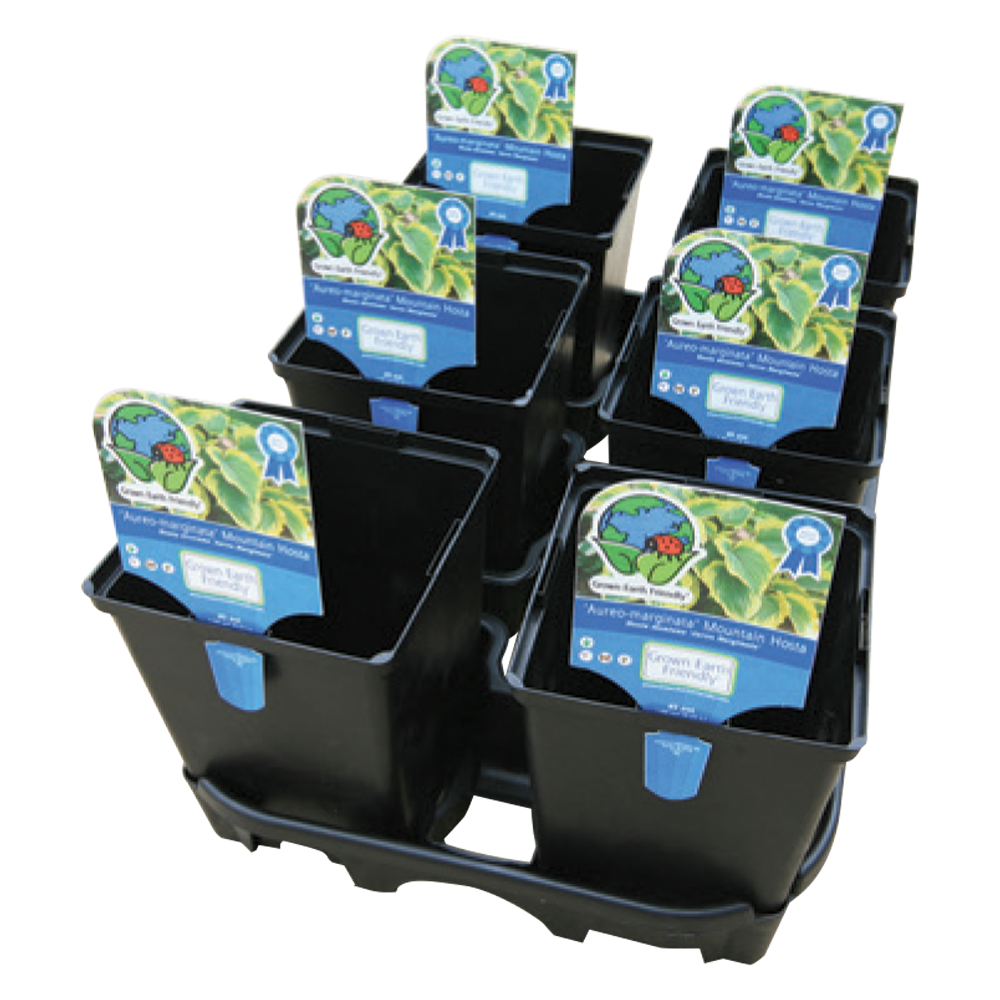
#1 Pot
#1 Pot

Special Characteristics

True
Seasonal Effect
True
Moderate Area
True
Drought Tolerant
True
Butterflies
True
Bees
True
Large Area
True
Small Area
True
Deer Resistant
True
Sandy Soil Tolerant
True
Fragrant Flowers
Controls Erosion

Features

Vigorous carefree incredibly strong grower with perfume scented rich reddish-magenta flowers mid summer through fall atop shiny green foliage.

Landscape Value

Moderate to large scale ground cover, accent, edging, or companion.

Care

Watering:

Dily's Hardy Geranium is moderately drought tolerant but benefits from occasional watering, to maintain soil in a moist but not wet condition, during the summer months.

Fertilizing:

Dily's Hardy Geranium is a moderate feeder, benefiting from a couple of annual applications of slow release fertilizer. A spring application of a 3-1-2 ratio (such as a 15-5-10) can be applied at a rate of about 10 pounds per 1000 square feet, and during early fall, an application of a 2-1-2 ratio (such as a 10-5-10) can be applied to encourage root development and cold hardiness.

Pruning:

Dily's Hardy Geranium should be enjoyed all winter long, then, during early April before it begins to grow again, it should be pruned or mowed back to ground level.

Companion Plants

Miscanthus sinensis ‘Morning Light’View
`Morning Light' Japanese Silver Grass
Calamagrostis x acutiflora ‘Karl Foerster’View
Karl Foerster's Feather Reed Grass
Echinacea ‘Fragrant Angel’View
`Fragrant Angel' Coneflower
Baptisia ‘Burgundy Blast’ PP34,689View
`Burgundy Blast' False Indigo
Baptisia `Honey Roasted’ PP34,707View
`Honey Roasted' False Indigo
Baptisia ‘American Goldfinch’ PP30,478View
`American Goldfinch' Wild Indigo
Baptisia australisView
Blue False Indigo
Calamagrostis x acutiflora `Overdam’View
Variegated Feather Reed Grass
Calamagrostis arundinacea var. brachytrichaView
Fall Blooming Feather Reed Grass
Heuchera ‘Grape Expectations’ PP26,894View
`Grape Expectations' Coral Bells
Heuchera ‘Georgia Peach’ PP19,375View
`Georgia Peach' Coral Bells
Heuchera ‘Forever Purple’ PP26,358View
`Forever Purple' Coral Bells
Heuchera x ‘Palace Purple’View
`Palace Purple' Coral Bells
Heuchera ‘Timeless Night’ PP32,134View
`Timeless Night' Heuchera
Miscanthus sinensis ‘Gracillimus’View
Narrow Leaved Japanese Silver Grass
Miscanthus sinensis ‘Cabaret’View
`Cabaret' Japanese Silver Grass
Miscanthus sinensis ‘Adagio’View
`Adagio' Japanese Silver Grass
Pennisetum alopecuroides ‘Red Head’View
`Red Head' Fountain Grass
Pennisetum alopecuroides ‘Lumen Gold’ PP27,435View
`Lumen Gold' Fountain Grass
Pennisetum alopecuroides ‘Hameln’View
`Hameln' Dwarf Fountain Grass
Pennisetum alopecuroides ‘Ginger Love’ PP26,442View
`Ginger Love' Fountain Grass