
Calamagrostis x acutiflora ‘Karl Foerster’
Blooming Time
Exposure

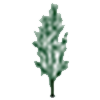
With neat, 3 to 4-foot tall leaves of subdued green, clump forming feather reed grass imposes a rather strong, stately, foliar personality. This alone makes it worthy of merit, yet, it is only a hint of what’s to come. For the impatient this is the right plant, for unlike many of the grasses, it flowers early. Indeed, as early as late May the erect stemmed, narrow panicled flowers become noticeable. By mid June, they have achieved a height of 4 to 5-feet and have colored a soft shade of green. By the first of July, they are rosy purple, and by the first of August, they have turned a lovely shade of straw brown which they will remain all winter. Perennial Plant of the Year 2001.
Details
Hardiness Zone:
Blossom Color:
Tan to Brown
Growth Habit:
Clump Forming
Max Height:
5'
Texture:
Recommended Spacing:
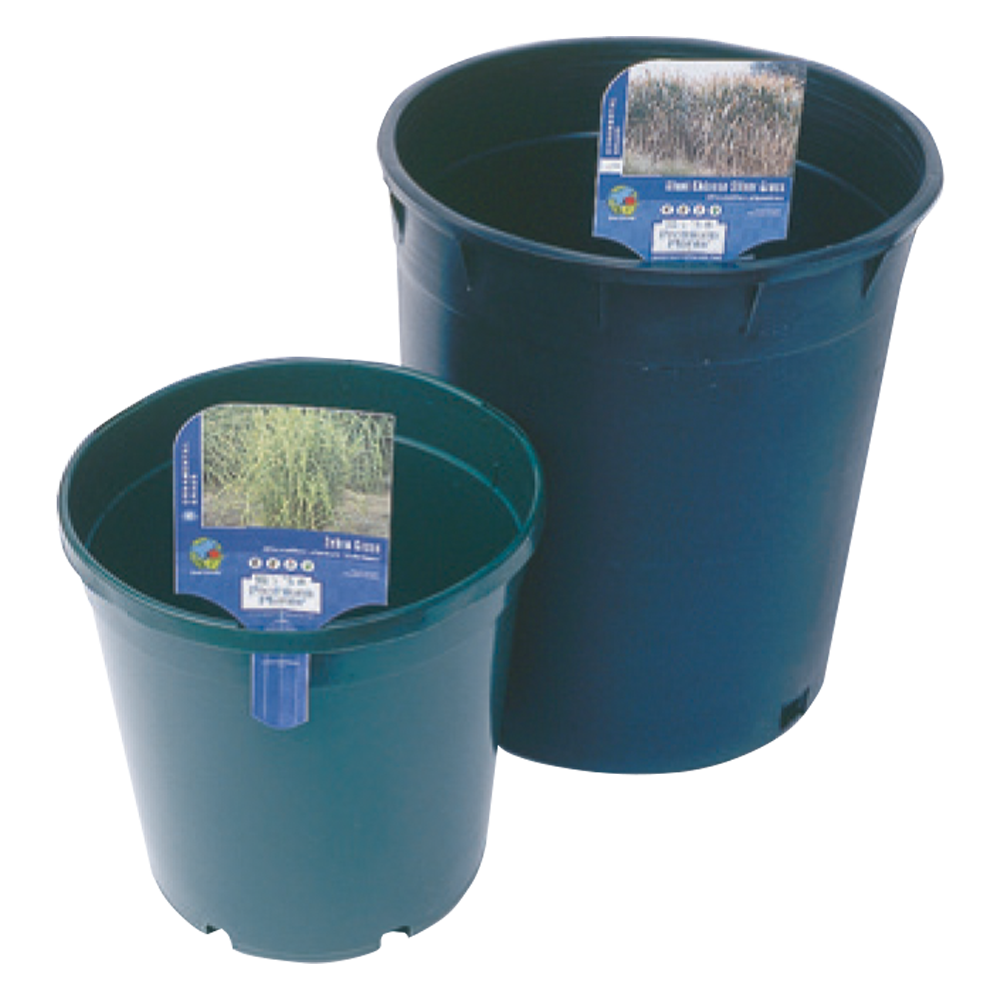
We sell this plant in these containers:
Special Characteristics









Features
Strong, stately, rich green leaves, early summer flowers are rosy purple then attractive tan--effective into fall and winter.
Landscape Value
Superb specimen, edging plant, accent, or companion. Also excellent as a large-scale ground cover when mass planted.
Care
Watering:
Karl Foerster's Feather Reed Grass is very drought tolerant and typically only needs watering during the hottest days of summer.
Fertilizing:
Karl Foerster's Feather Reed Grass is a moderate feeder, benefiting from a couple of annual applications of slow release fertilizer. A spring application of a 3-1-2 ratio (such as a 15-5-10) can be applied at a rate of about 10 pounds per 1000 square feet, and during early fall, an application of a 2-1-2 ratio (such as a 10-5-10) can be applied to encourage root development and cold hardiness.
Pruning:
Karl Foerster's Feather Reed Grass should be enjoyed all winter long, then, during early April before it begins to grow again, it should be pruned or mowed back to ground level.