
Rudbeckia ‘American Gold Rush’ PP28,498
Blooming Time
Exposure

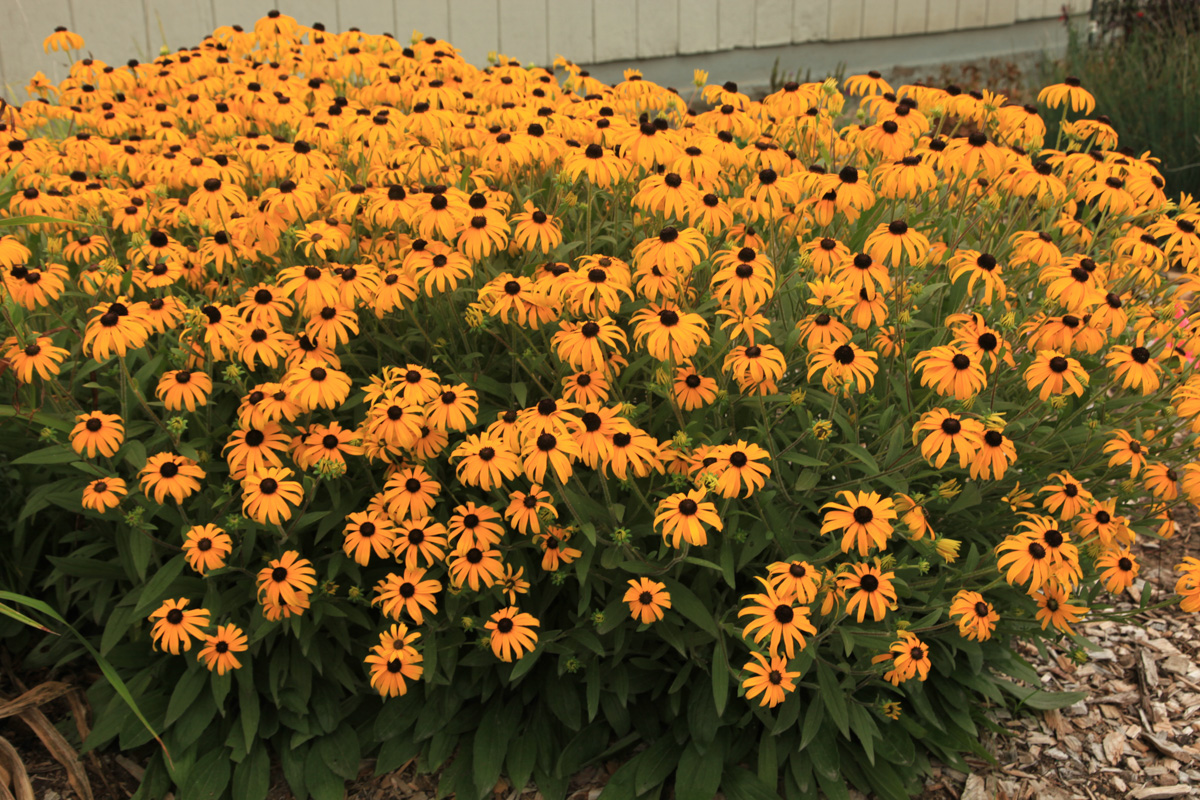
‘American Gold Rush’ is a breakthrough nativar that has shown good resistance to Septoria leaf spot and thrives in conditions that would be too moist or humid for most black-eyed Susan. ‘American Gold Rush’ forms attractive, dome shaped mounds that support cheery, summer-borne yellow flowers that resemble undulating hills when planted en masse. Its handsome classic appearance is combined beautifully in mixed beds with companions. 2020 AAS Herbaceous Perennial Winner, 2023 Perennial Plant of the Year.
Details
Hardiness Zone:
Blossom Color:
Yellow to Chartreuse
Growth Habit:
Clump Forming
Max Height:
2'
Texture:
Recommended Spacing:
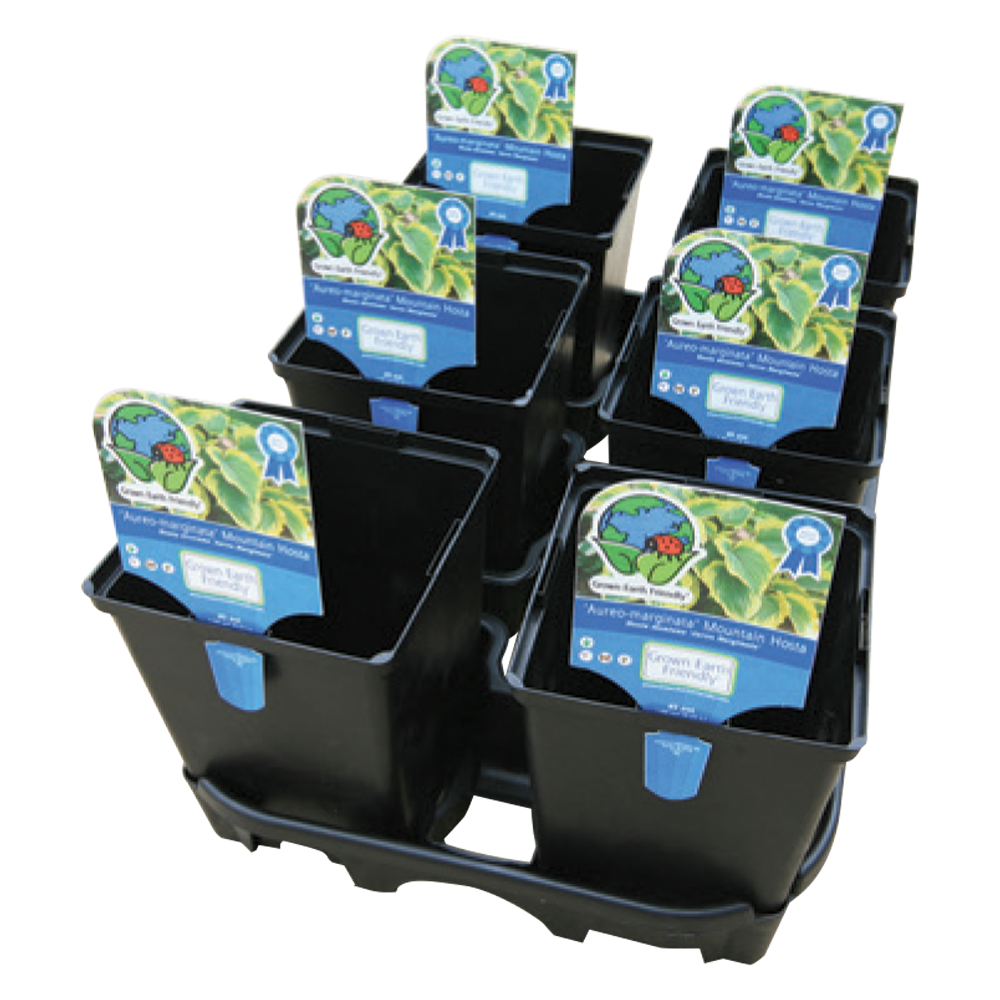
We sell this plant in these containers:
Special Characteristics













Features
Has shown good resistance to Septoria leaf spot and thrives in conditions that would be too moist or humid for most black eyed Susan.
Landscape Value
Summer-borne yellow flowers resemble undulating hills when planted en masse and its handsome classic appearance is combined beautifully in mixed beds.
Care
Watering:
'American Gold Rush' Orange Coneflower is moderately drought tolerant but benefits from occasional watering, to maintain soil in a moist but not wet condition, during the summer months.
Fertilizing:
'American Gold Rush' Orange Coneflower is a moderate feeder, benefiting from a couple of annual applications of slow release fertilizer. A spring application of a 3-1-2 ratio (such as a 15-5-10) can be applied at a rate of about 10 pounds per 1000 square feet, and during early fall, an application of a 2-1-2 ratio (such as a 10-5-10) can be applied to encourage root development and cold hardiness.
Pruning:
'American Gold Rush' Orange Coneflower should be enjoyed all winter long, then, during early April before it begins to grow again, it should be pruned or mowed back to ground level.