
Dianthus Vivid™ Bright Light (`Uribest52′) PP28,239
Blooming Time
Exposure

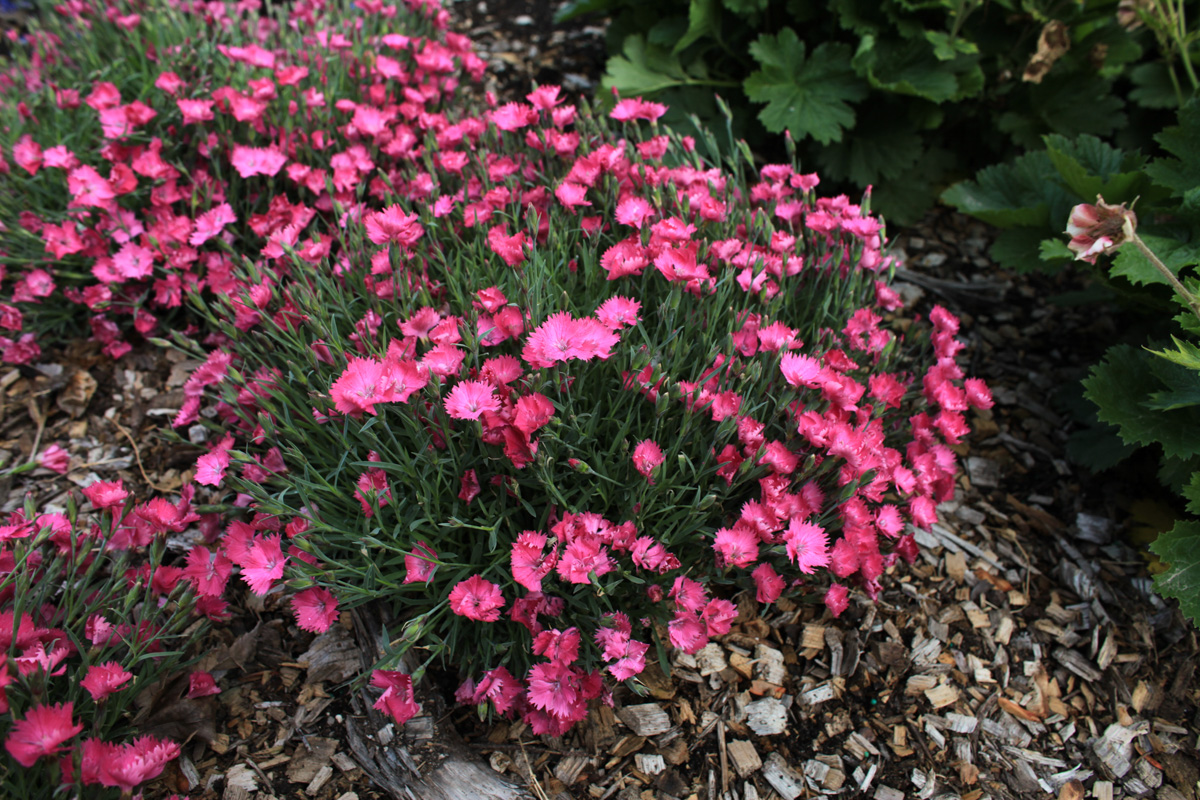
The bright fuchsia-pink blossoms of Bright Light explode during mid spring to form a blanket of sweet-smelling drifts, obscuring the grey-green foliage. And, with a light shearing, the flowering can be perpetuated until fall, albeit at a lower density than spring. Bright Light and similar introductions seem to represent more durability and they likely pave the way to greater popularity in the future. They are wonderful for color and fragrance, and work nicely in mixed borders, planters, and tucked into cracks and crevices. Good drainage is required for best performance.
Details
Hardiness Zone:
Blossom Color:
Rose to Pink
Growth Habit:
Slow Spreading
Max Height:
8"
Texture:
Recommended Spacing:
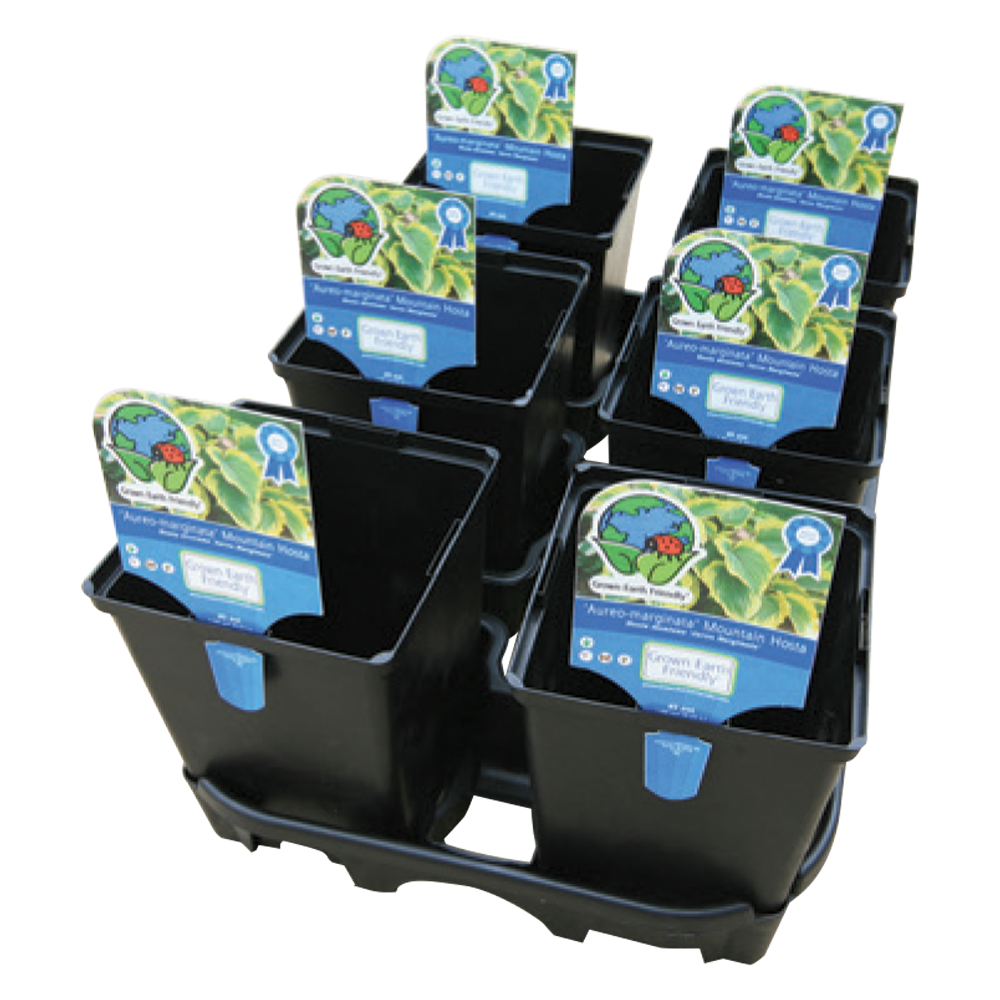
We sell this plant in these containers:
Special Characteristics











Features
Bright fuchsia-pink blossoms explode during mid spring to form a blanket of sweet smelling drifts.
Landscape Value
Wonderful for color and fragrance, they work nicely in mixed borders, planters, and tucked into cracks and crevices.
Care
Watering:
Vivid™ Bright Light Carnation is moderately drought tolerant but benefits from occasional watering, to maintain soil in a moist but not wet condition, during the summer months.
Fertilizing:
Vivid™ Bright Light Carnation is a moderate feeder, benefiting from a couple of annual applications of slow release fertilizer. A spring application of a 3-1-2 ratio (such as a 15-5-10) can be applied at a rate of about 10 pounds per 1000 square feet, and during early fall, an application of a 2-1-2 ratio (such as a 10-5-10) can be applied to encourage root development and cold hardiness.
Pruning:
Vivid™ Bright Light Carnation may be pruned or mowed immediately after flowering to remove spent flower stalks and to rejuvinate the plants.