
Phlox paniculata Bambini® ‘Cherry Crush’ PP33,334
Blooming Time
Exposure

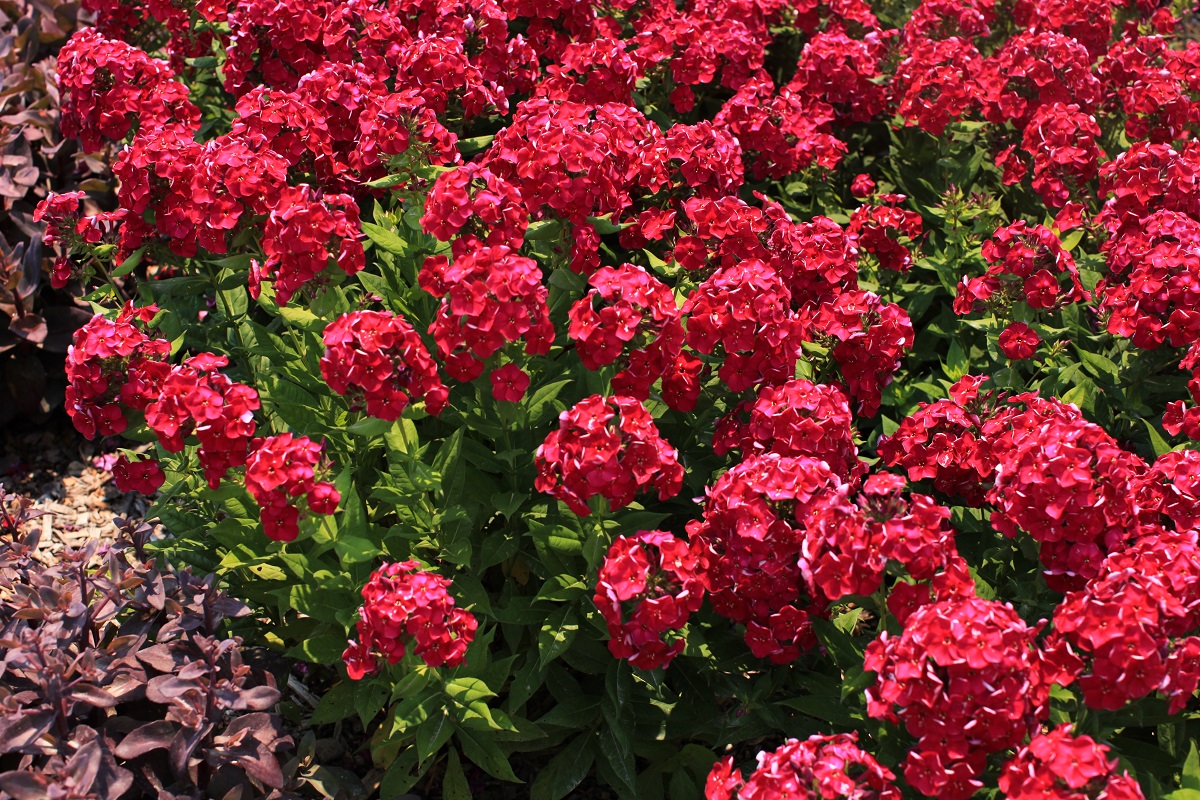
Crowned with abundant carmine-red clusters of sweetly scented flowers from early summer into autumn ‘Cherry Crush’ also exhibits better mildew resistance than that of many other Phlox varieties. A colorful and carefree variety, this tidy Phlox is compact enough to fit in any space at the front of the border, while the extended bloom period makes it a great fit for containers. Combine this brightly hued variety with other compact perennials.
Details
Hardiness Zone:
Blossom Color:
Red
Growth Habit:
Clump Forming
Max Height:
16"
Texture:
Recommended Spacing:
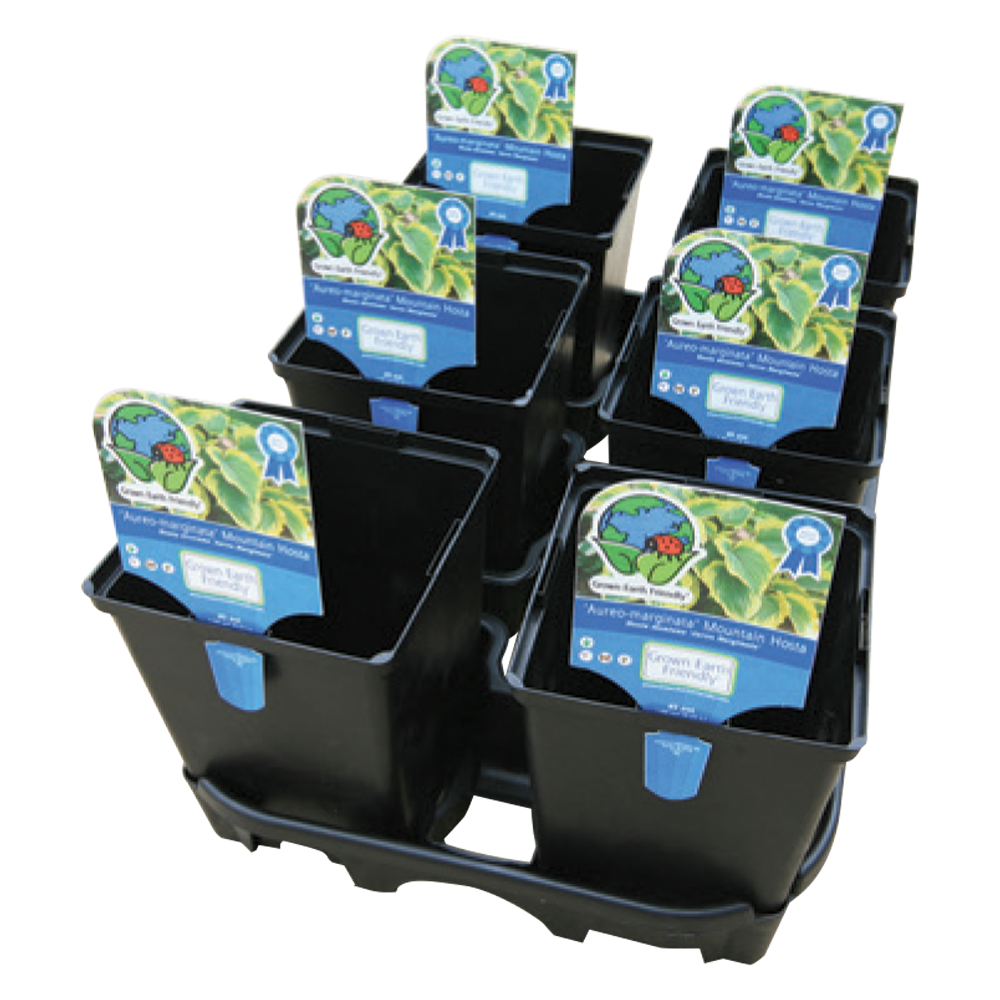
We sell this plant in these containers:
Special Characteristics











Features
Abundant carmine-red clusters of sweetly scented flowers with an extended bloom season. Native Cultivar.
Landscape Value
Colorful and carefree, with better mildew resistance than many other phlox. Compact enough to fit in any space at the front of the border.
Care
Watering:
Bambini® Cherry Crush Phlox requires a fair amount of supplemental watering and often requires watering on a regular basis during the growing season.
Fertilizing:
Bambini® Cherry Crush Phlox benefits from regular feeding and likely will grow best with: a spring (May) application of slow release fertilizer with a 3-1-2 ratio (such as a 15-5-10) at a rate of about 10 pounds per 1000 square feet, and a summer (July) application of slow release fertilizer with a 3-1-2 ratio (such as a 15-5-10) at a rate of about 10 pound per 1000 square feet, and and an early fall (September) application of a 2-1-2 ratio (such as a 10-5-10) at a rate of 15 pounds per 1000 square feet to encourage root development and cold hardiness.
Pruning:
Bambini® Cherry Crush Phlox should be enjoyed all winter long, then, during early April before it begins to grow again, it should be pruned or mowed back to ground level.