
Polypodium vulgare
Blooming Time
Exposure


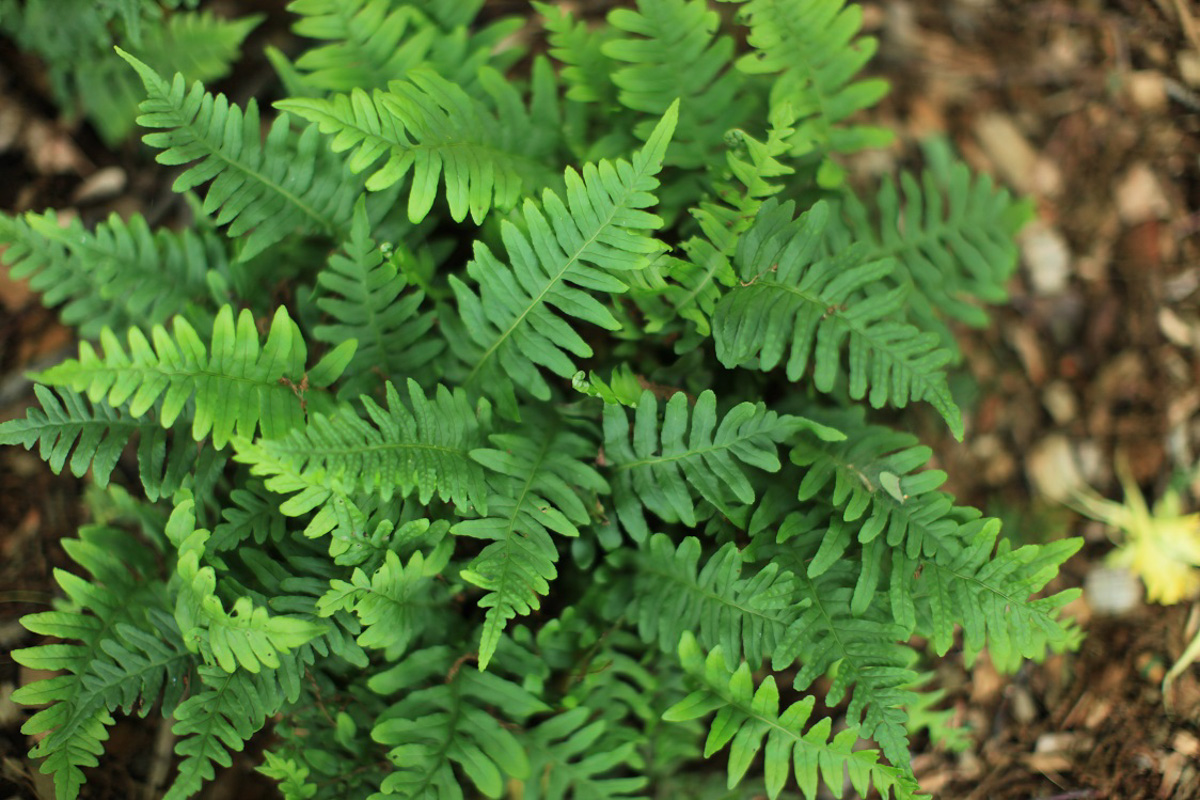
A wonderful native species, polypody resembles a miniature Christmas fern. Its mid-green leaves are evergreen, leathery, deeply divided, and on their undersides dotted with golden-orange sori. Unlike Christmas fern, which is clump forming, polypody slowly colonizes and is adaptable to both slightly alkaline and acidic soils. It is most at home in naturalized gardens and requires shade and good drainage, and can even grow in rocky areas- even the crevices of rock retaining walls.
Details
Hardiness Zone:
Blossom Color:
Growth Habit:
Slow Spreading
Max Height:
12"
Texture:
Recommended Spacing:
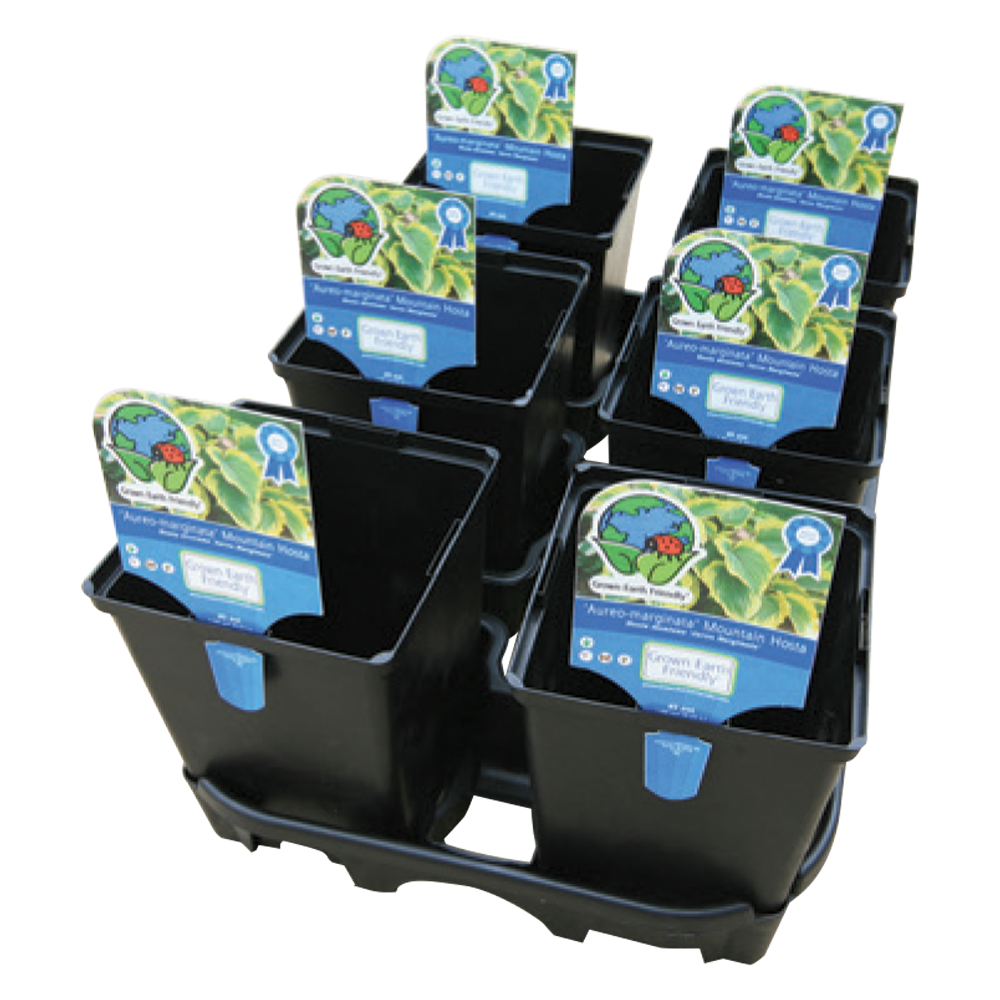
We sell this plant in these containers:
Special Characteristics






Features
Evergreen, leathery, deeply divided, mid-green leaves resemble a miniature Christmas fern.
Landscape Value
At home in naturalized gardens, requires shade and good drainage- and can even grow in rocky areas.
Care
Watering:
Common Polypody is moderately drought tolerant but benefits from occasional watering, to maintain soil in a moist but not wet condition, during the summer months.
Fertilizing:
Common Polypody is a moderate feeder, benefiting from a couple of annual applications of slow release fertilizer. A spring application of a 3-1-2 ratio (such as a 15-5-10) can be applied at a rate of about 10 pounds per 1000 square feet, and during early fall, an application of a 2-1-2 ratio (such as a 10-5-10) can be applied to encourage root development and cold hardiness.
Pruning:
Common Polypody should be enjoyed all winter long, then, during early April before it begins to grow again, it should be pruned or mowed back to ground level.