
Sporobolus heterolepis
Blooming Time
Exposure


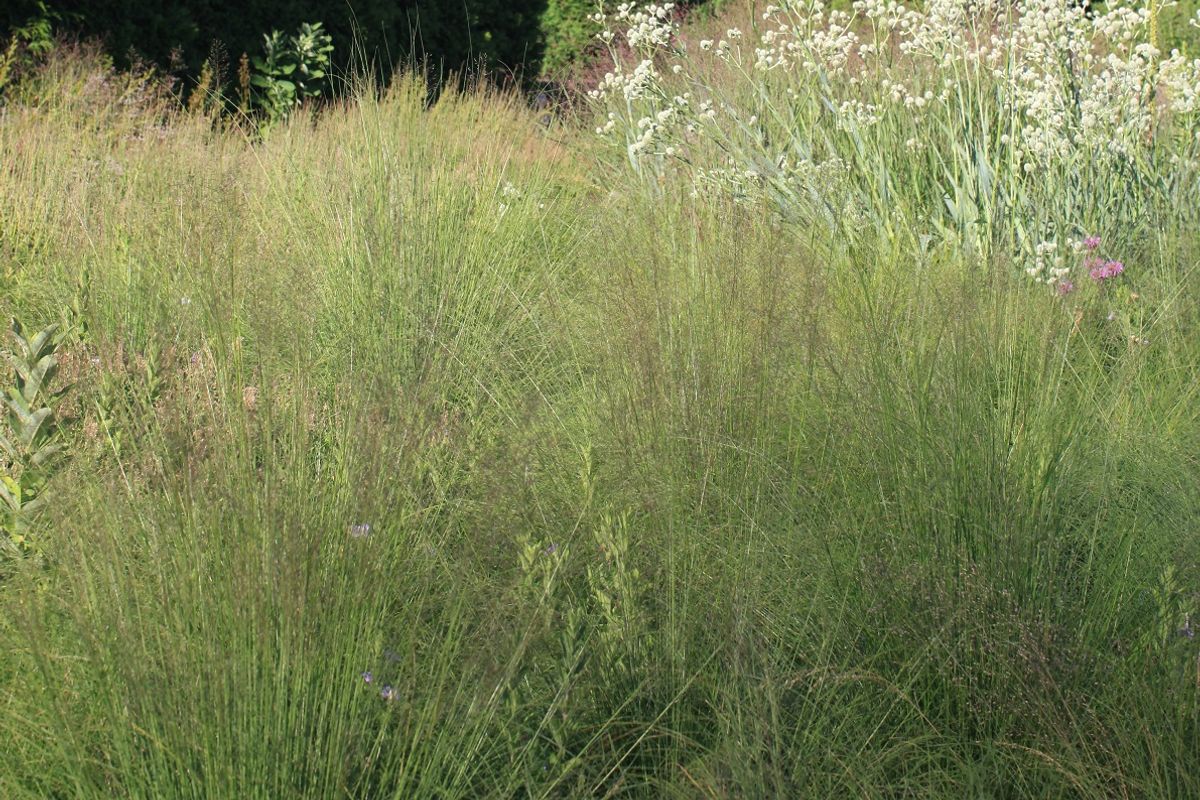
Common to the American prairie, Praire Dropseed is a natural addition to our home- and commercial- gardens. This handsome grass slowly forms dense arching clumps of fine-textured emerald green leaves – each clump reaches 1.5 to 2 feet tall and infuses a comfortable cool green feel to the landscape. The foliar mass turns deep orange during autumn then light coppery tan in winter. Flowering too, is impressive. This occurs during late summer, first with the emergence of thin cylindrical stalks which elongate to 30 inches. At their tops are borne whispy, curiously scented, silver, wind responsive inflorescences – which are particularly effective when lighted from behind. Excellent in all soil types and easy to grow, Prairie Dropseed is drought tolerant and excellent for use on a small or large scale.
Details
Hardiness Zone:
Blossom Color:
Tan to Brown
Growth Habit:
Clump Forming
Max Height:
3'
Texture:
Recommended Spacing:
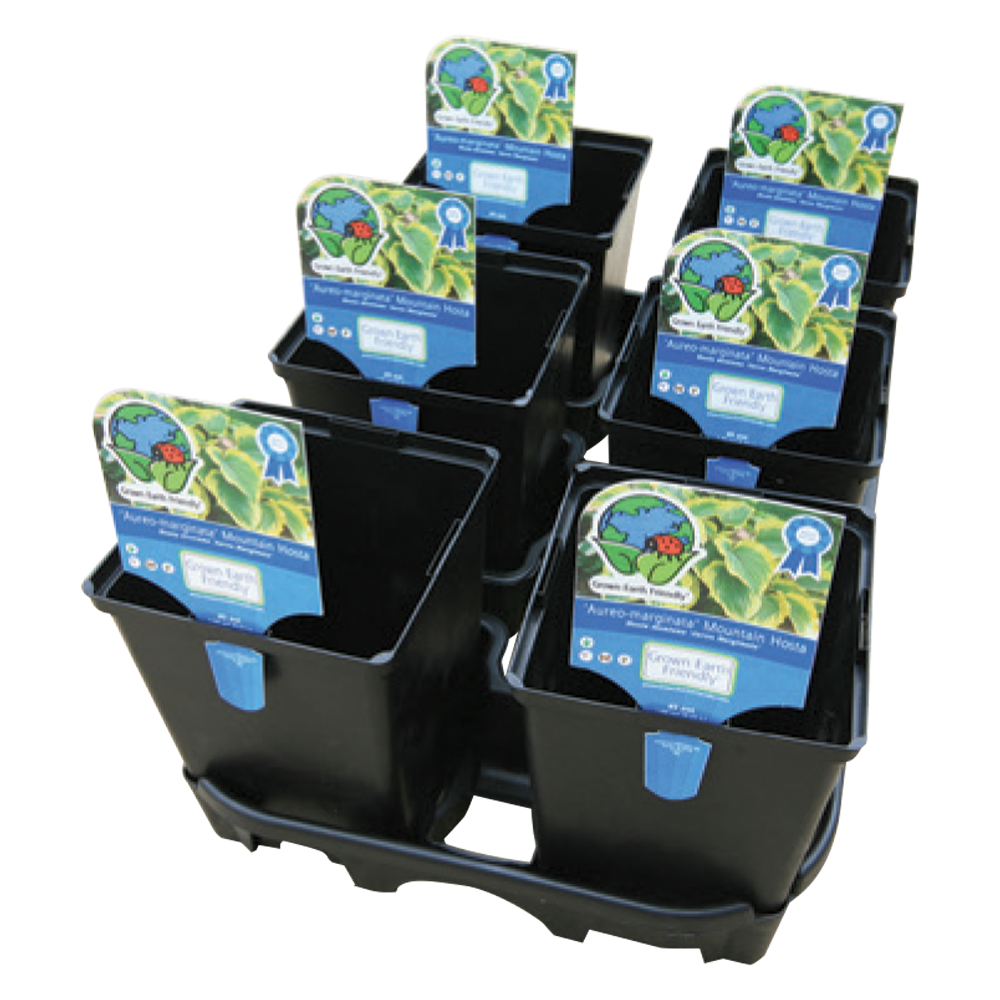
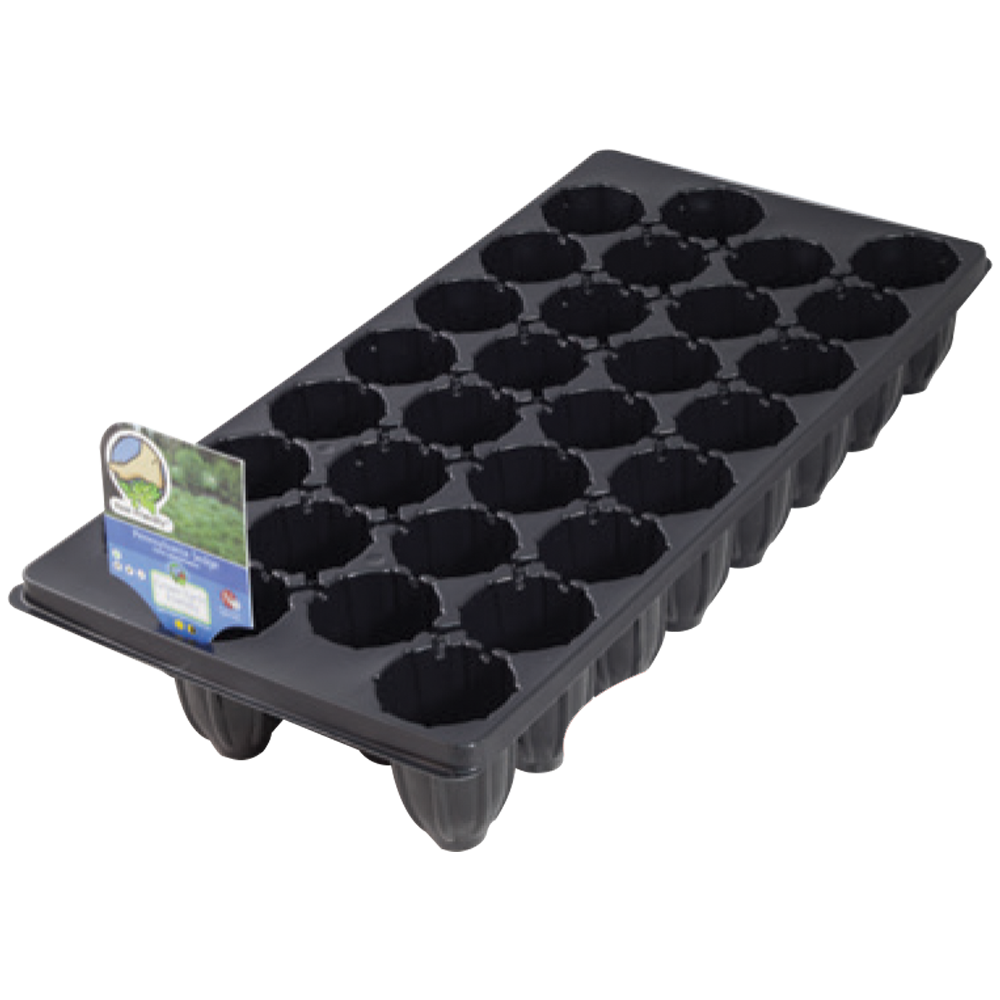
We sell this plant in these containers:
Special Characteristics










Features
Native species, dense arching clumps of fine-textured emerald green leaves topped during late summer with whispy, fragrant, silvery wind responsive flower panicles.
Landscape Value
Superb specimen, accent, companion, or edging plant. Also excellent as a ground cover when mass planted. Unique grass for its shade tolerance.
Care
Watering:
Prairie Dropseed is moderately drought tolerant but benefits from occasional watering, to maintain soil in a moist but not wet condition, during the summer months.
Fertilizing:
Prairie Dropseed is a moderate feeder, benefiting from a couple of annual applications of slow release fertilizer. A spring application of a 3-1-2 ratio (such as a 15-5-10) can be applied at a rate of about 10 pounds per 1000 square feet, and during early fall, an application of a 2-1-2 ratio (such as a 10-5-10) can be applied to encourage root development and cold hardiness.
Pruning:
Prairie Dropseed should be enjoyed all winter long, then, during early April before it begins to grow again, it should be pruned or mowed back to ground level.