
Aster novae-angliae ‘Grape Crush’ PP33,612
Blooming Time
Exposure


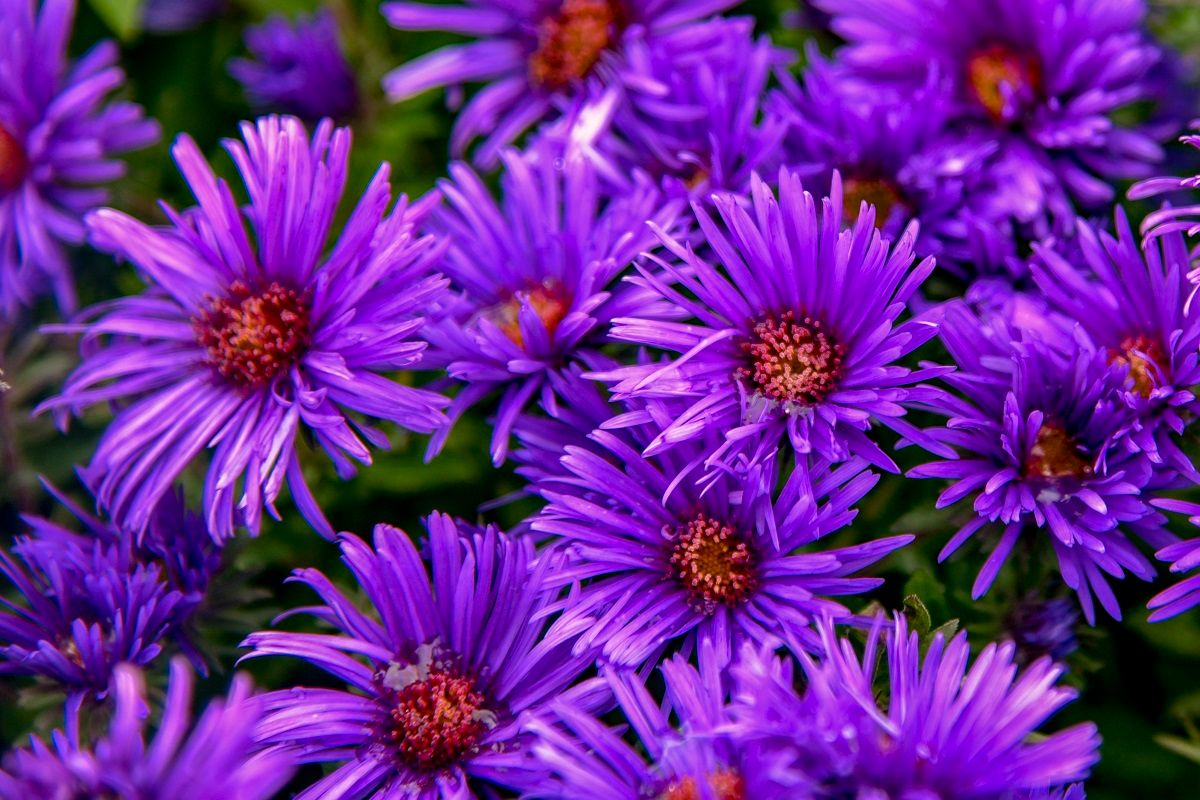
(Photo Courtesy of Walters Gardens)`Grape Crush’ begins the season looking neat and tidy with rugged, mid-green aromatic foliage carried upon stout branches and looking like little ball-shaped shrubs. Later, by mid-summer, it begins to bud up and by late summer it begins to flower… and by September the foliage disappears under large daisy-shaped, bright grape-purple petaled, burnt orange centered flowers. This effect is astonishing and ongoing, usually until frost. This makes `Grape Crush’ a must-have for fall color and for supporting fall migrating butterflies.
Details
Hardiness Zone:
Blossom Color:
Violet to Purple
Growth Habit:
Shrubby
Max Height:
2½'
Texture:
Recommended Spacing:
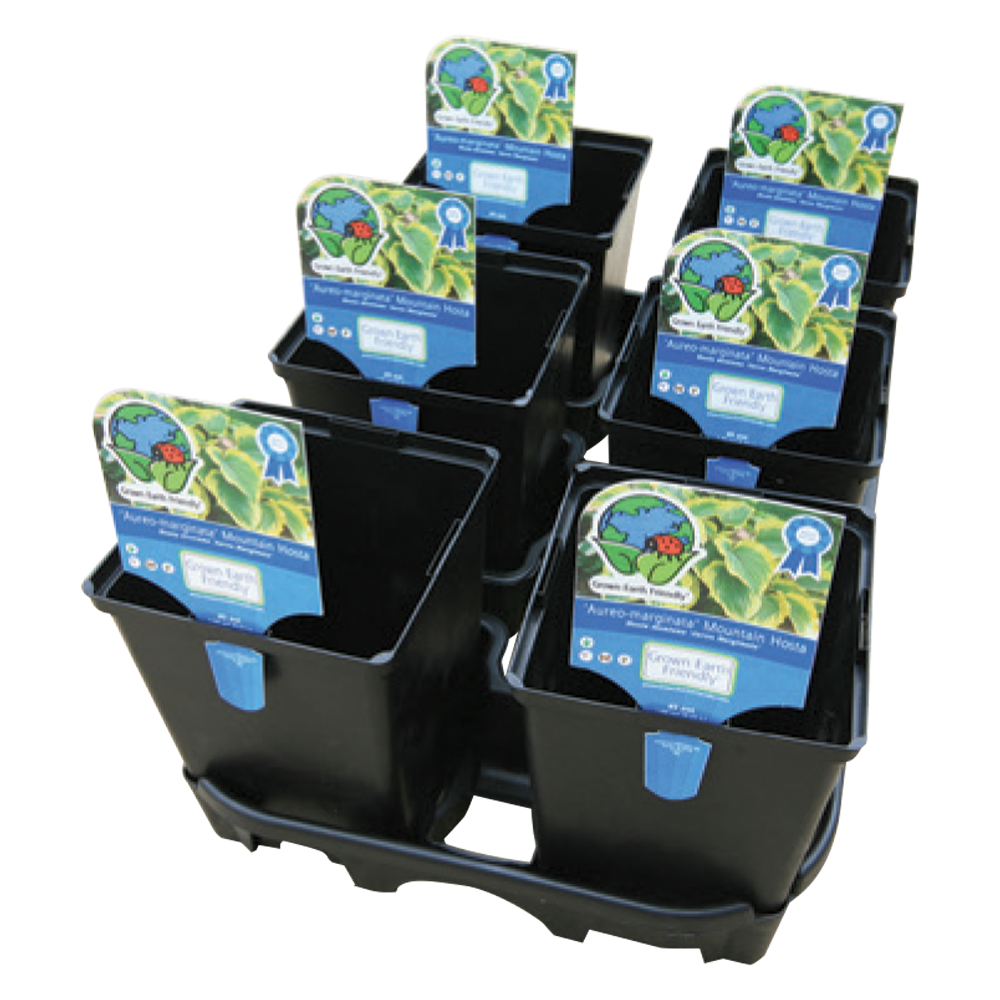
We sell this plant in these containers:
Special Characteristics










Features
Tidy little ball-shaped plants of aromatic foliage disappears under large daisy-shaped, bright grape-purple petaled, burnt orange centered flowers.
Landscape Value
A must-have for fall color and for supporting fall migrating butterflies.
Care
Watering:
`Grape Crush' New England Aster is moderately drought tolerant but benefits from occasional watering, to maintain soil in a moist but not wet condition, during the summer months.
Fertilizing:
`Grape Crush' New England Aster is a moderate feeder, benefiting from a couple of annual applications of slow release fertilizer. A spring application of a 3-1-2 ratio (such as a 15-5-10) can be applied at a rate of about 10 pounds per 1000 square feet, and during early fall, an application of a 2-1-2 ratio (such as a 10-5-10) can be applied to encourage root development and cold hardiness.
Pruning:
`Grape Crush' New England Aster should be enjoyed all winter long, then, during early April before it begins to grow again, it should be pruned or mowed back to ground level.