
Phlox divaricata
Blooming Time
Exposure

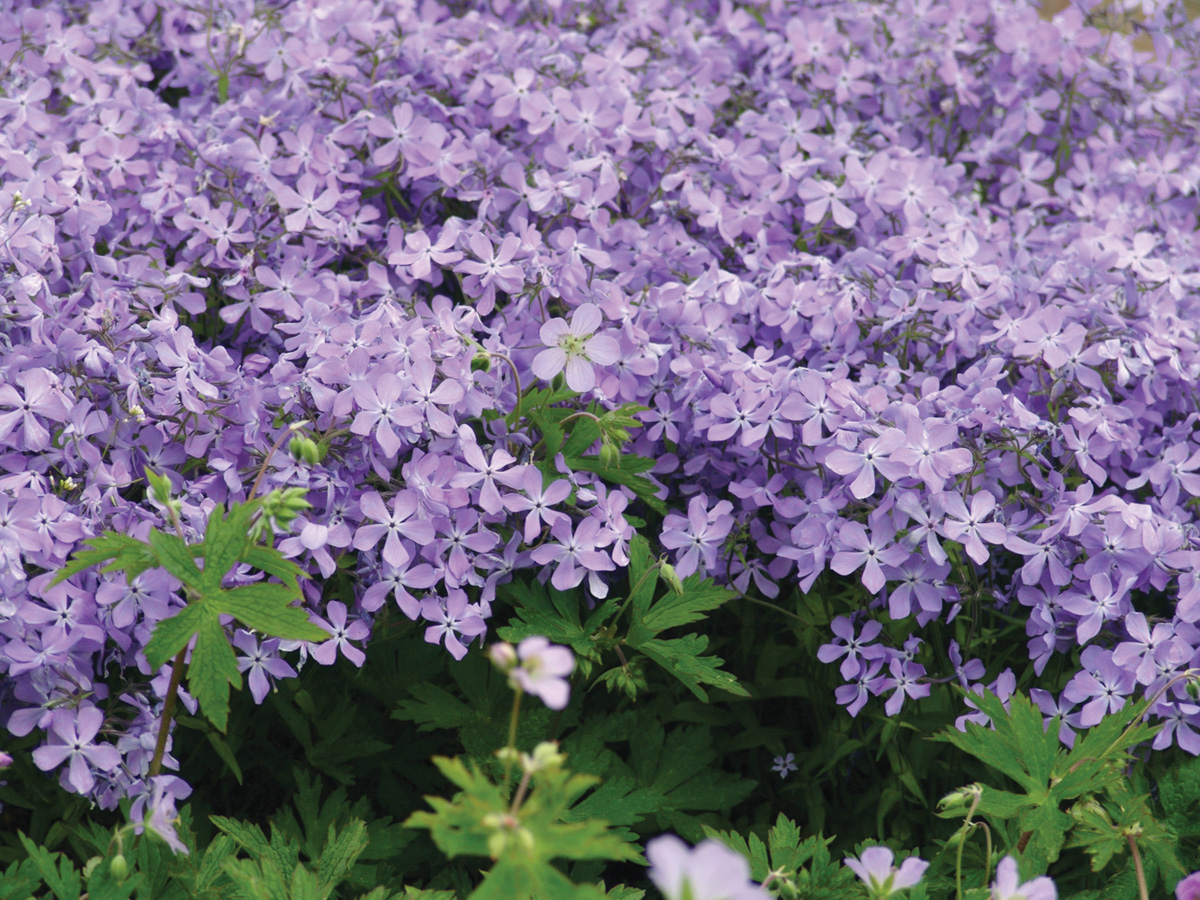
Blue phlox, a.k.a., wild sweet William, is a semiwoody, low spreading, mat forming ground cover from the Midwest. Blue phlox is clothed in deep green leaves, and during midspring to early summer bears a showy display of 1 inch wide, 5-parted, violet-blue to lavender, mildly fragrant flowers. Blue phlox looks fantastic in large mass plantings, and is a fine accent plant when mixed with other clump forming shade lovers.
Details
Hardiness Zone:
Blossom Color:
Blue to Blue Gray
Growth Habit:
Slow Spreading
Max Height:
12"
Texture:
Recommended Spacing:
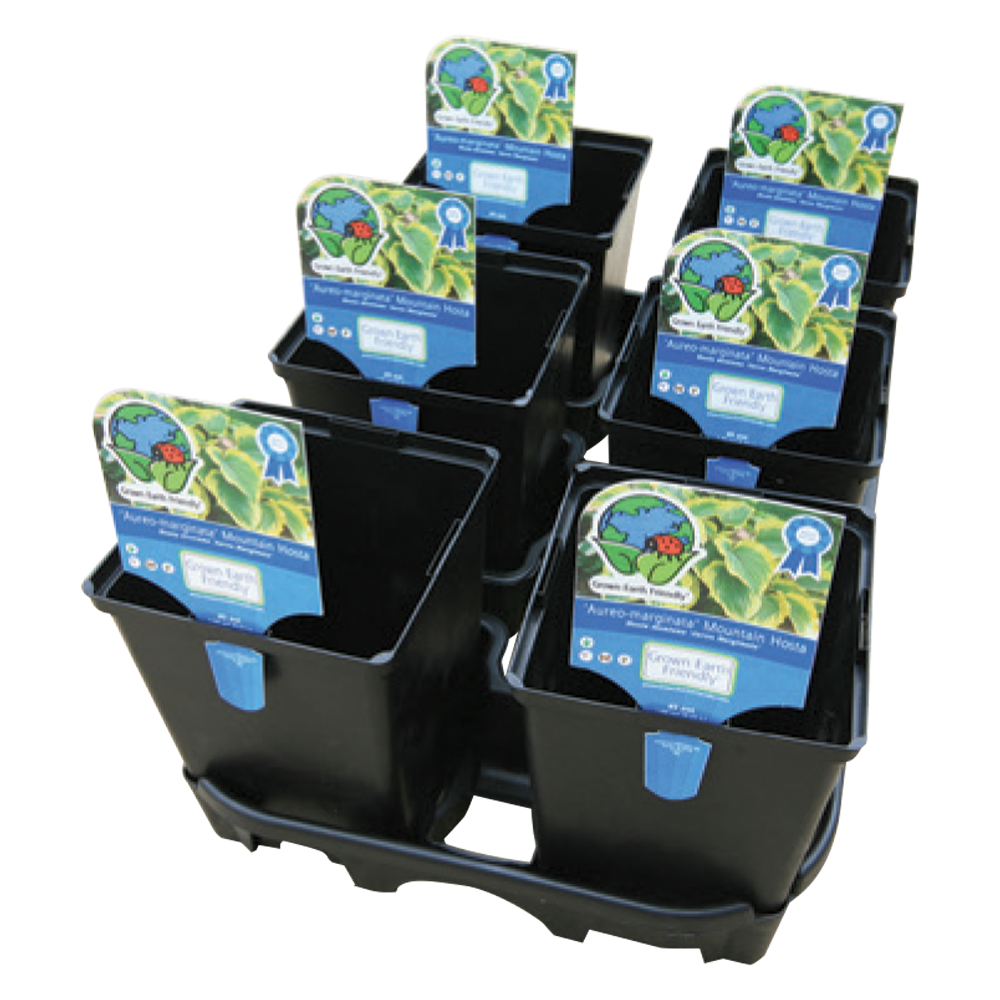
We sell this plant in these containers:
Special Characteristics










Features
Blue phlox, a.k.a., wild sweet William, is a semi-woody, low spreading, mat forming ground cover from the Midwest. It is clothed in deep green leaves, and during midspring to early summer bears a showy display of 1-inch wide, 5-parted, violet-blue to lavender, mildly fragrant flowers.
Landscape Value
Blue phlox looks fantastic in large mass plantings, and is a fine accent plant.
Care
Watering:
Wood Phlox is moderately drought tolerant but benefits from occasional watering, to maintain soil in a moist but not wet condition, during the summer months.
Fertilizing:
Wood Phlox needs little fertilizer, but benefits from a single springtime or fall topdressing (about 1 inch deep) of organic compost or well rotted leaves. Alternatively, a springtime application of a slow release fertilizer with a 3-1-2 ratio (such as a 15-5-10) can be applied at a rate of about 10 pounds per 1000 square feet.
Pruning:
Wood Phlox should be pruned while dormant during late fall or winter.