
Dicentra spectabilis ‘Yellow Leaf’
Blooming Time
Exposure

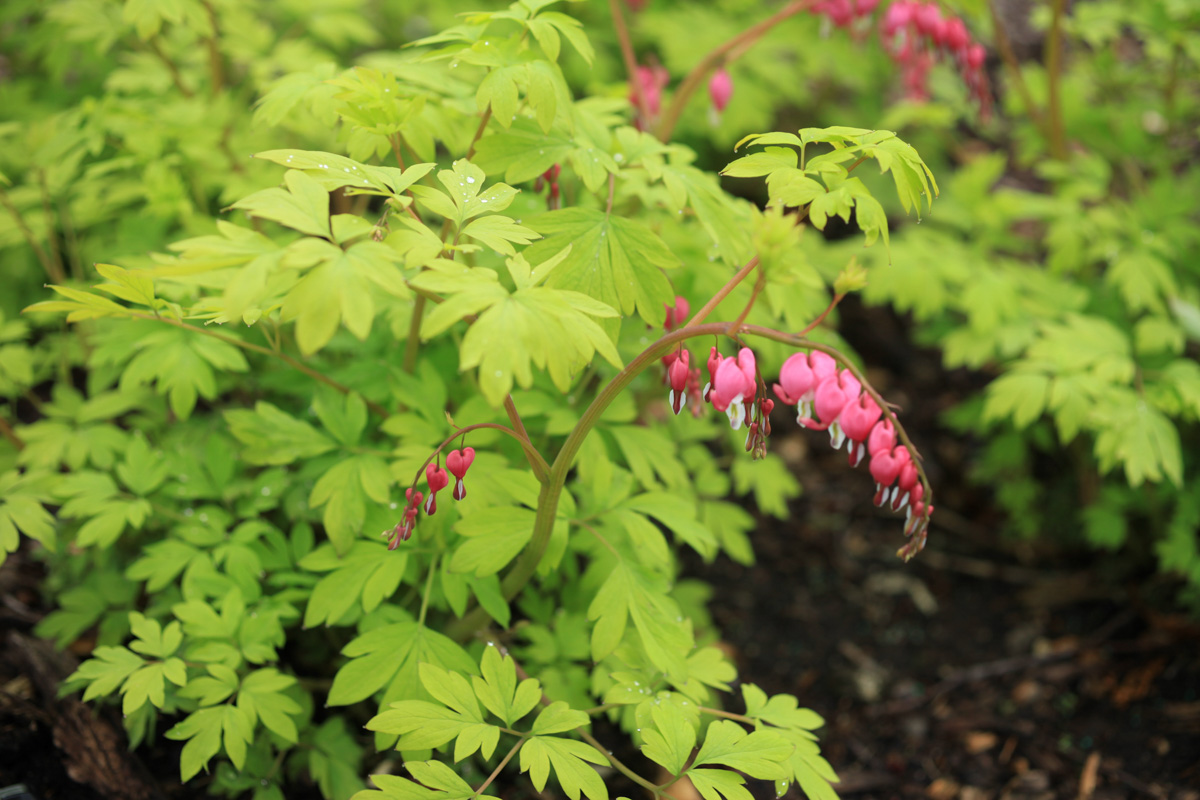
Considered to be a more robust improvement over ‘Gold Heart’, ‘Yellow Leaf’ has demonstrated a sturdy habit and enduring season-long color. It develops uniform mounds of bright yellow finely textured foliage that provide an outstanding splash of color in the shaded landscape. In late spring, the plants are adorned with distinctive bleeding heart flowers, rich rose-pink in color and borne on long, arching stems. ‘Yellow Leaf’ is a carefree, vigorous grower that will provide years of enjoyment in rich soils with adequate moisture.
Details
Hardiness Zone:
Blossom Color:
Rose to Pink
Growth Habit:
Clump Forming
Max Height:
3'
Texture:
Recommended Spacing:
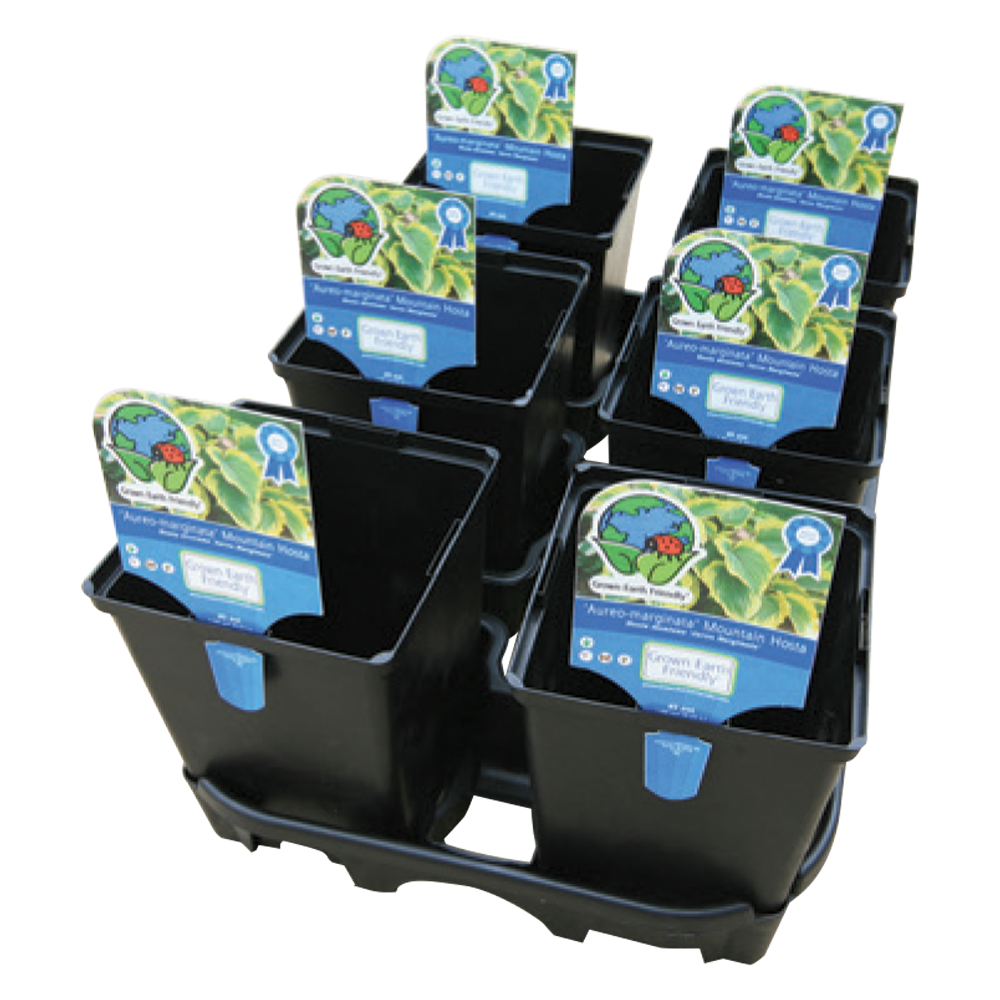
We sell this plant in these containers:
Special Characteristics





Features
Demonstrates a sturdy habit and enduring season-long color. In late spring, the plants are adorned with rich, rose-pink, bleeding heart flowers.
Landscape Value
It develops uniform mounds of bright yellow finely textured foliage that provide an outstanding splash of color in the shaded landscape.
Care
Watering:
Yellow Leaf Bleeding Heart is moderately drought tolerant but benefits from occasional watering, to maintain soil in a moist but not wet condition, during the summer months.
Fertilizing:
Yellow Leaf Bleeding Heart is a moderate feeder, benefiting from a couple of annual applications of slow release fertilizer. A spring application of a 3-1-2 ratio (such as a 15-5-10) can be applied at a rate of about 10 pounds per 1000 square feet, and during early fall, an application of a 2-1-2 ratio (such as a 10-5-10) can be applied to encourage root development and cold hardiness.
Pruning:
Yellow Leaf Bleeding Heart is a deciduous plant (nonevergreen) and does not require pruning. It is perfectly acceptable to allow the dropped leaves to decompose and nourish the soil.