
Allium schoenoprasum var. sibiricum ‘Pink Giant’
Blooming Time
Exposure

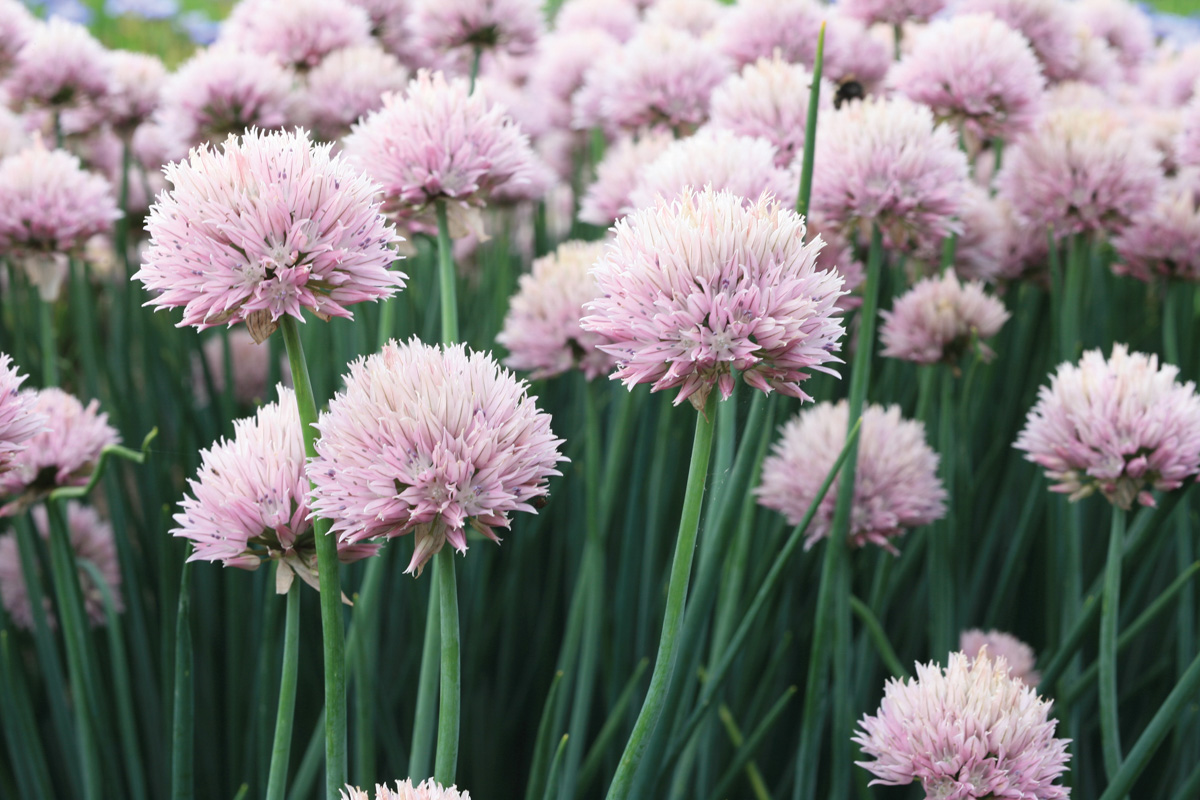
This uncommonly robust ornamental chive is magnificent! Not only is it taller than other selections, but bigger in every other respect as well. Its tubular powder blue green leafless stems are about double the normal width, and its large clear pink balloonlike flower clusters are bigger as well. But, like many other Alliums, `Pink Giant’ emerges with attractive foliage during early spring, transitions to flowering from May through June, and looks great in foliage throughout summer and fall.
Details
Hardiness Zone:
Blossom Color:
Rose to Pink
Growth Habit:
Clump Forming
Max Height:
16"
Texture:
Recommended Spacing:
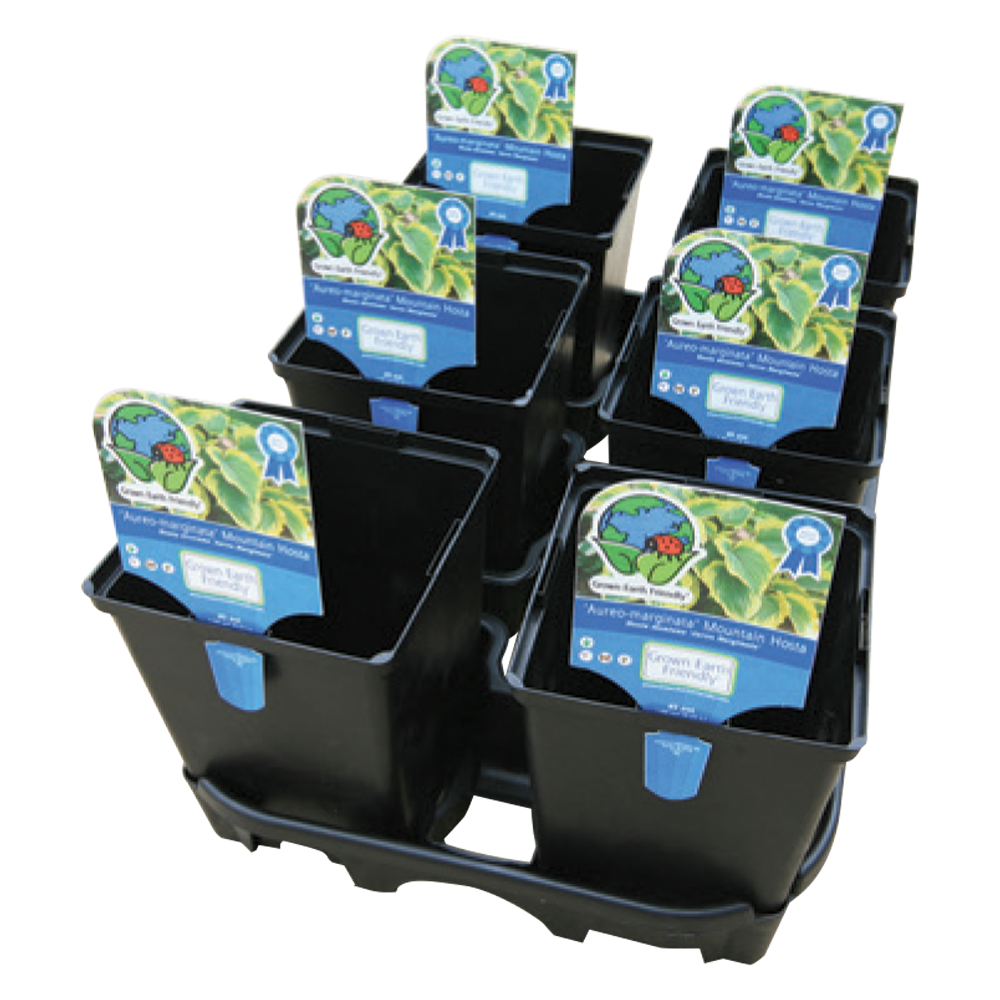
We sell this plant in these containers:
Special Characteristics












Features
Magnificent tubular powder blue green leafless stems are double the normal width, and its clear pink balloonlike flowers clusters are also striking.
Landscape Value
Excellent mass planted as a maintenance reducing ground cover for small to large scale. Also good edging, accent, and good companion.
Care
Watering:
'Pink Giant' Ornamental Chive is very drought tolerant and typically only needs watering during the hottest days of summer.
Fertilizing:
'Pink Giant' Ornamental Chive is a moderate feeder, benefiting from a couple of annual applications of slow release fertilizer. A spring application of a 3-1-2 ratio (such as a 15-5-10) can be applied at a rate of about 10 pounds per 1000 square feet, and during early fall, an application of a 2-1-2 ratio (such as a 10-5-10) can be applied to encourage root development and cold hardiness.
Pruning:
'Pink Giant' Ornamental Chive is a deciduous plant (nonevergreen) and does not require pruning. It is perfectly acceptable to allow the dropped leaves to decompose and nourish the soil.