
Amsonia x Butterscotch™
Blooming Time
Exposure


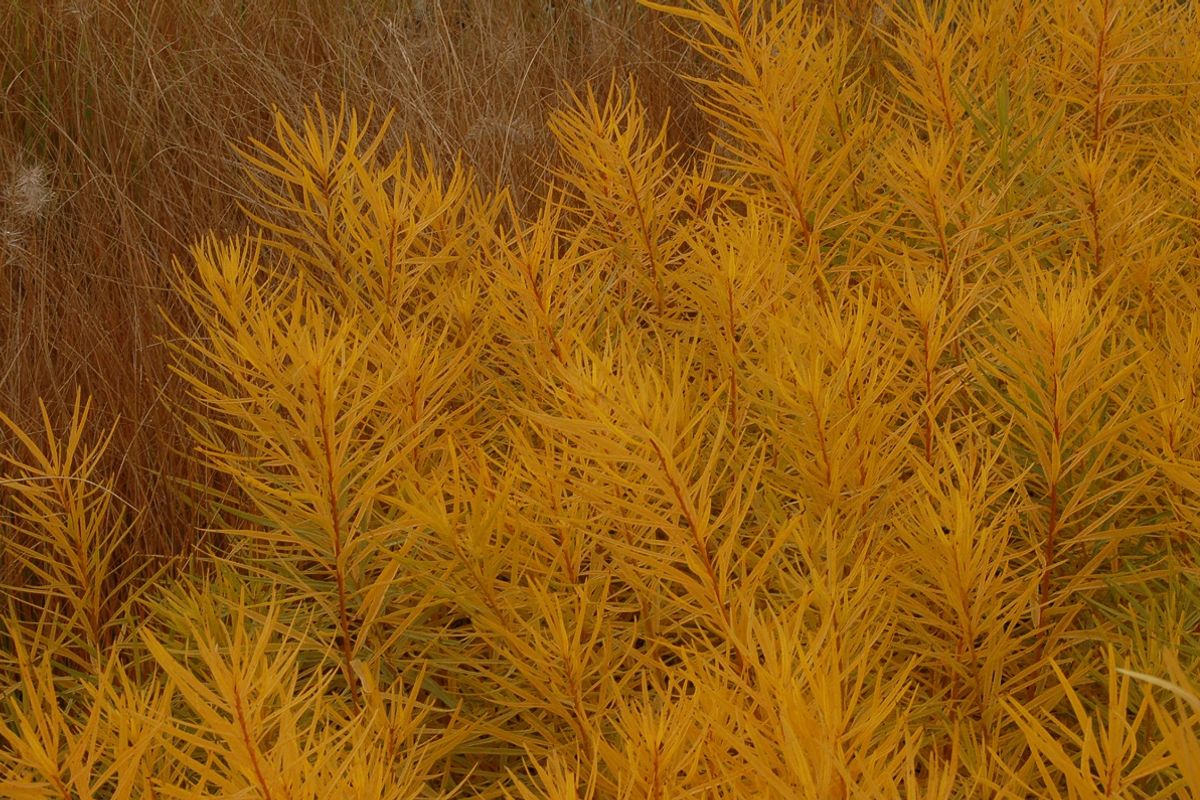
(Image Courtesy of Emerald Coast Growers) A low-maintenance native cultivar, Butterscotch™ emerges in the spring with sprays of delicate needle-shaped foliage on red stems, producing lovely clusters of pale-blue, star-shaped flowers in mid to late spring. However, the feature that gives this Amsonia its name is the stunning, rich golden-yellow coloration of its graceful willow-shaped foliage, accented by its dark red stems. With something to offer in nearly every season, Butterscotch™ works well planted en-masse, intermixed in borders with other perennials, or anywhere in the landscape that could use a splash of bright fall color.
Details
Hardiness Zone:
Blossom Color:
Blue to Blue Gray
Growth Habit:
Clump Forming
Max Height:
3'
Texture:
Recommended Spacing:
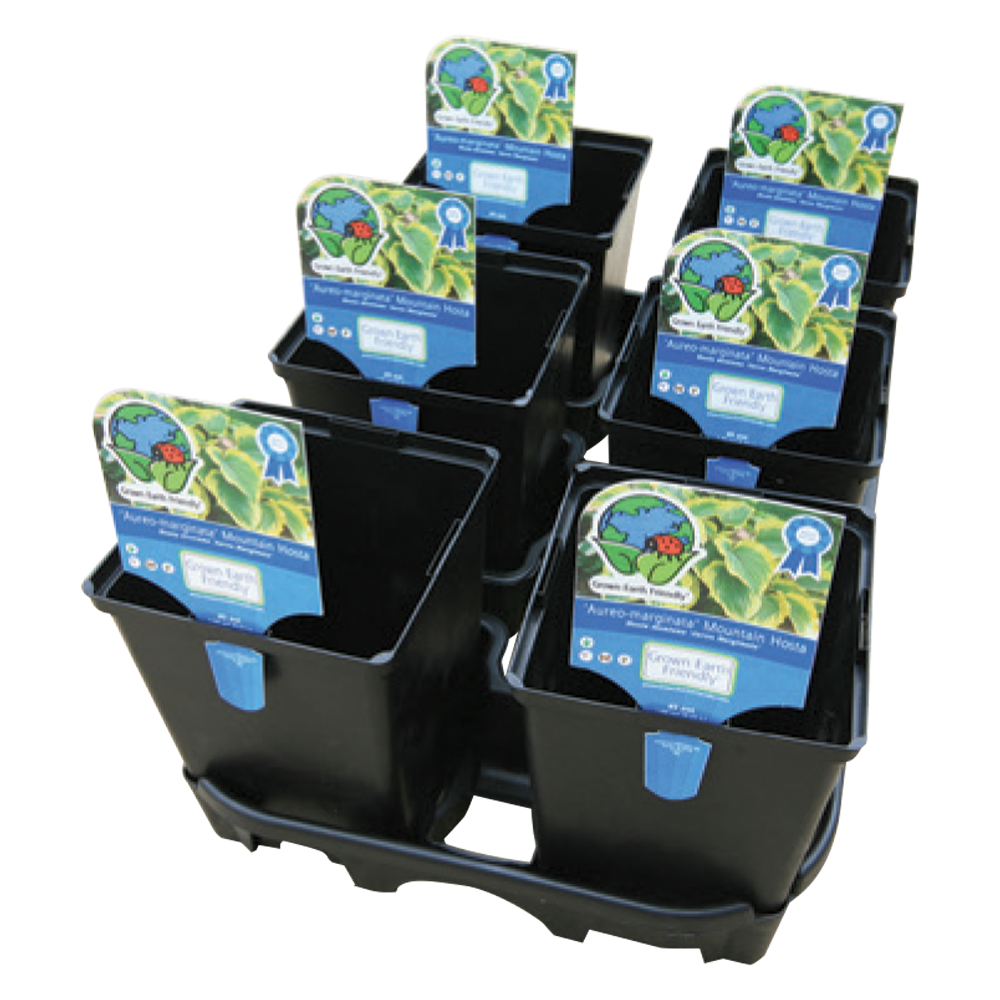
We sell this plant in these containers:
Special Characteristics










Features
Sprays of delicate needle-shaped foliage on red stems, produce lovely clusters of pale-blue, star-shaped flowers in mid to late spring. However, the feature that gives this Amsonia its name is the stunning, rich golden-yellow coloration of its graceful willow-shaped foliage, accented by its dark red stems.
Landscape Value
Butterscotch™ works well planted en-masse, intermixed in borders with other perennials, or anywhere in the landscape that could use a splash of bright fall color.
Care
Watering:
Butterscotch™ Blue Star is moderately drought tolerant but benefits from occasional watering, to maintain soil in a moist but not wet condition, during the summer months.
Fertilizing:
Butterscotch™ Blue Star needs little fertilizer, but benefits from a single springtime or fall topdressing (about 1 inch deep) of organic compost or well rotted leaves. Alternatively, a springtime application of a slow release fertilizer with a 3-1-2 ratio (such as a 15-5-10) can be applied at a rate of about 10 pounds per 1000 square feet.
Pruning:
Butterscotch™ Blue Star should be enjoyed all winter long, then, during early April before it begins to grow again, it should be pruned or mowed back to ground level.