
Lathyrus vernus Spring Fling™ (`Nongnilf’)
Blooming Time
Exposure


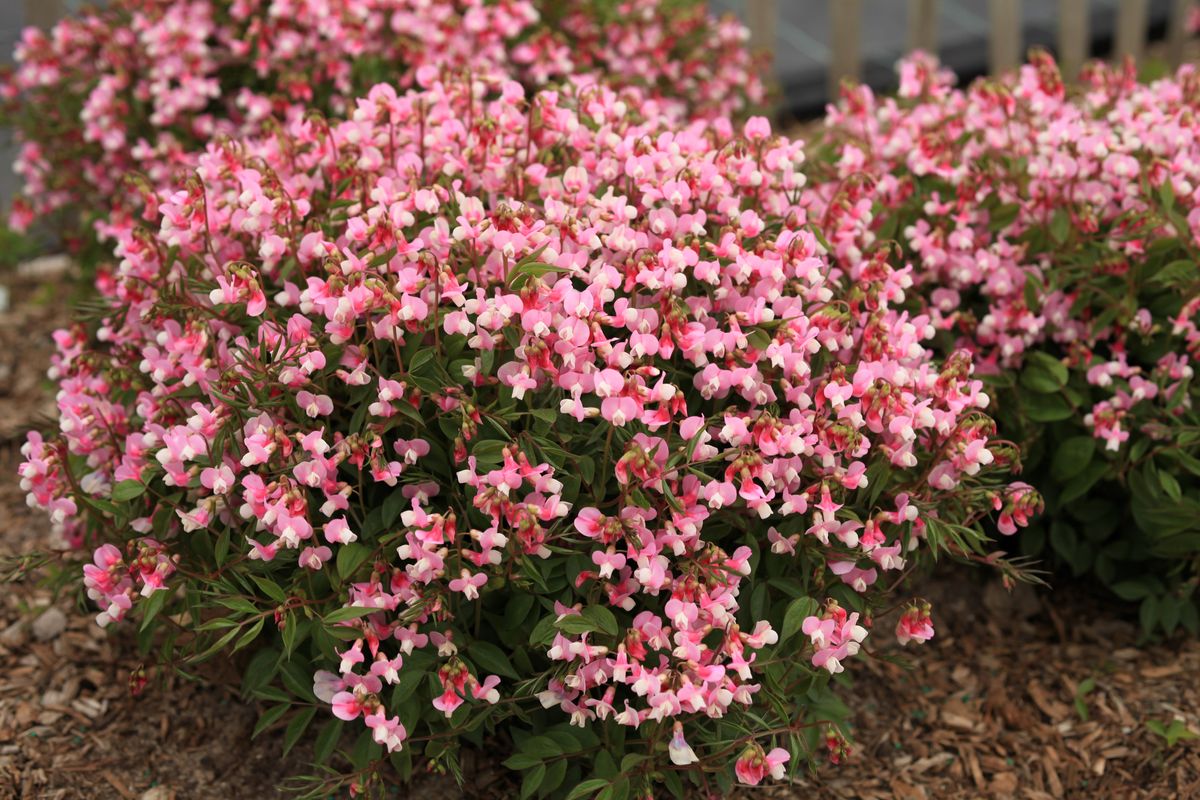
Spring Fling™ bursts from the ground in April with rich green frond-like foliage soon followed by countless soft-pink and lipstick-pink flowers. It was selected for its early season flower power along with compact tidy non-spreading habit and great landscape versatility. Remarkably, it is happy in dappled woodland shade as well as full sun, even rock gardens. Compared to early spring bloomers like daffodils, tulips, and forsythia, Spring Fling™ is perhaps better- easily seen from a hundred feet away. Best in well drained soils and either mass planted as a ground cover or combined with other perennials.
Details
Hardiness Zone:
Blossom Color:
Rose to Pink
Growth Habit:
Creeping
Max Height:
14"
Texture:
Recommended Spacing:
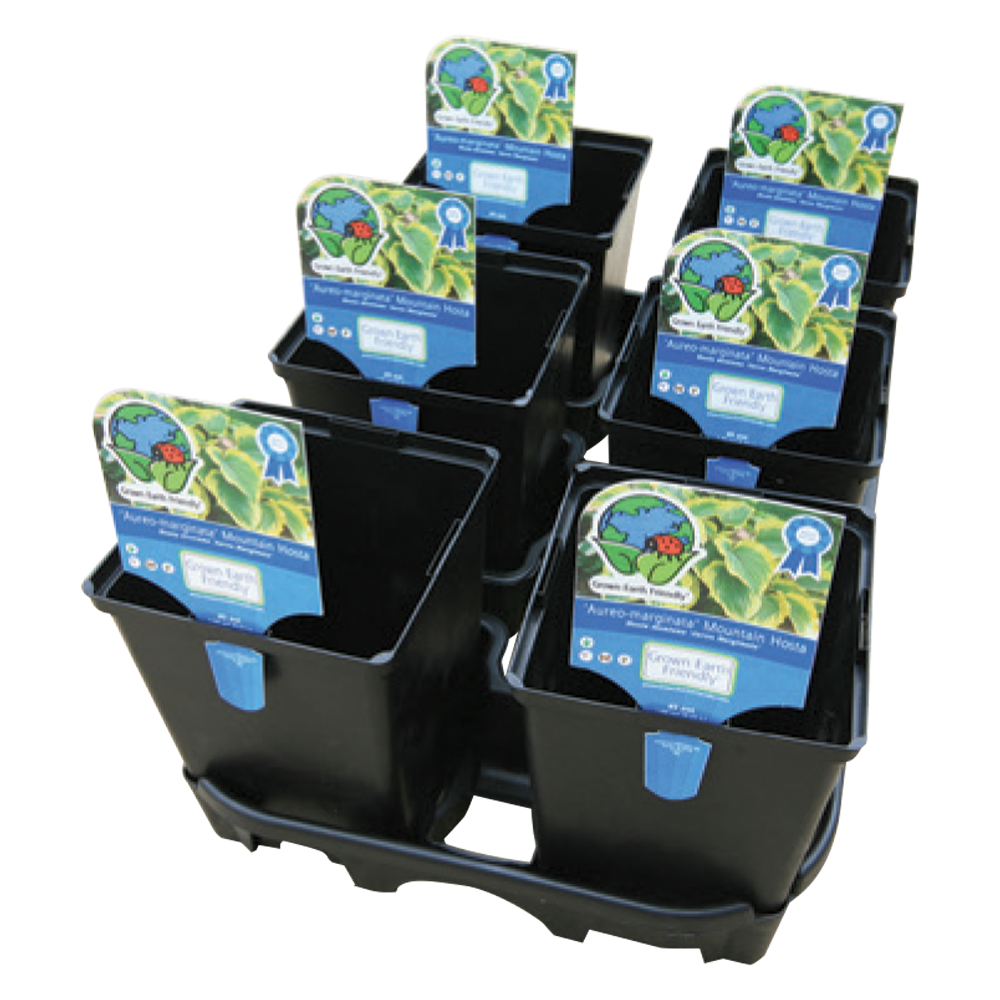
We sell this plant in these containers:
Special Characteristics







Features
Early to emerge with rich green frond-like foliage, countless soft-pink and lipstick-pink flowers bloom in early spring, a fantastic spring flower show.
Landscape Value
Best in well-drained soils and either mass planted as a ground cover or combined with other perennials.
Care
Watering:
Spring Fling™ Spring Vetch is moderately drought tolerant but benefits from occasional watering, to maintain soil in a moist but not wet condition, during the summer months.
Fertilizing:
Spring Fling™ Spring Vetch needs little fertilizer, but benefits from a single springtime or fall topdressing (about 1 inch deep) of organic compost or well rotted leaves. Alternatively, a springtime application of a slow release fertilizer with a 3-1-2 ratio (such as a 15-5-10) can be applied at a rate of about 10 pounds per 1000 square feet.
Pruning:
Spring Fling™ Spring Vetch should be pruned while dormant during late fall or winter